
✡️Jewish Mysticism
The Merkabah, Hasidic, and Kabbalistic streams of Jewish inner life.
Imagery evoking Jewish Mysticism, The Merkabah, Hasidic, and Kabbalistic streams of Jewish inner life.
Symbolic imagery, generated with respect. No sacred ceremony or living person depicted.
Jewish mysticism (Jewish esoteric tradition) spans over two millennia: from the Merkabah (Chariot) mysticism of the early rabbinic period, through medieval Kabbalah (particularly the Zohar), through Hasidism founded by the Ba'al Shem Tov in 18th-century Poland, to contemporary Jewish Renewal. It reads the Torah as a living text with infinite depth, and holds practices for the transformation of the heart.
Lineage: Merkabah mystics, Isaac Luria, the Ba'al Shem Tov, Reb Zalman.
Community study free; teacher-led courses $100, $500.
Estimates only. Many traditions offer sliding-scale, donation, or community access; sacred ceremonies are never for sale.
Distinguishing cultural belief, traditional practice, and evidence-supported effect where applicable.
Emotional
Hasidic joy (simcha) as a practice, not a mood.
Psychological
Study (chevruta) with a partner is inherently relational.
Spiritual
Places the person in a living Torah story.
Community
Life inside a shul or Chabad house.
Areas of possible support, not guarantees or medical claims.
- Jews wanting mystical depth
- Others drawn to the Zohar and Hasidic tales
- Reading a Hasidic tale each morning
- Learning the aleph-bet as sacred alphabet
- Shabbat as weekly practice
- Chevruta (partner study)
What to know before exploring
Traditional practice
This is a living tradition carried through lineage and community. Its value is documented through generations of practitioners rather than clinical trials. Absence of Western studies is not absence of wisdom.
- Cultural appropriation and closed practices. Elements of this tradition may be reserved for initiated practitioners or community members. Approach as a respectful learner, not a consumer, and never present the practice as your own.
This information is shared as general education, not medical advice. The safest path is to share your full health story and current medications with both the practitioner and your regular healthcare provider before beginning something new.
Which Torah story is my life echoing this week?
Where in my life is joy waiting to be practiced?
Written in the spirit of this tradition, held as invitations, not instructions. Take what serves your reflection.
What broken vessel in me is asking to be gathered rather than fixed?
Where in my life is a spark of holiness hiding in plain sight?
Whose questions in my lineage am I still living inside of?
Traditions that share needs, practices, or cultural context with this one. Explore with respect for each lineage's origins.
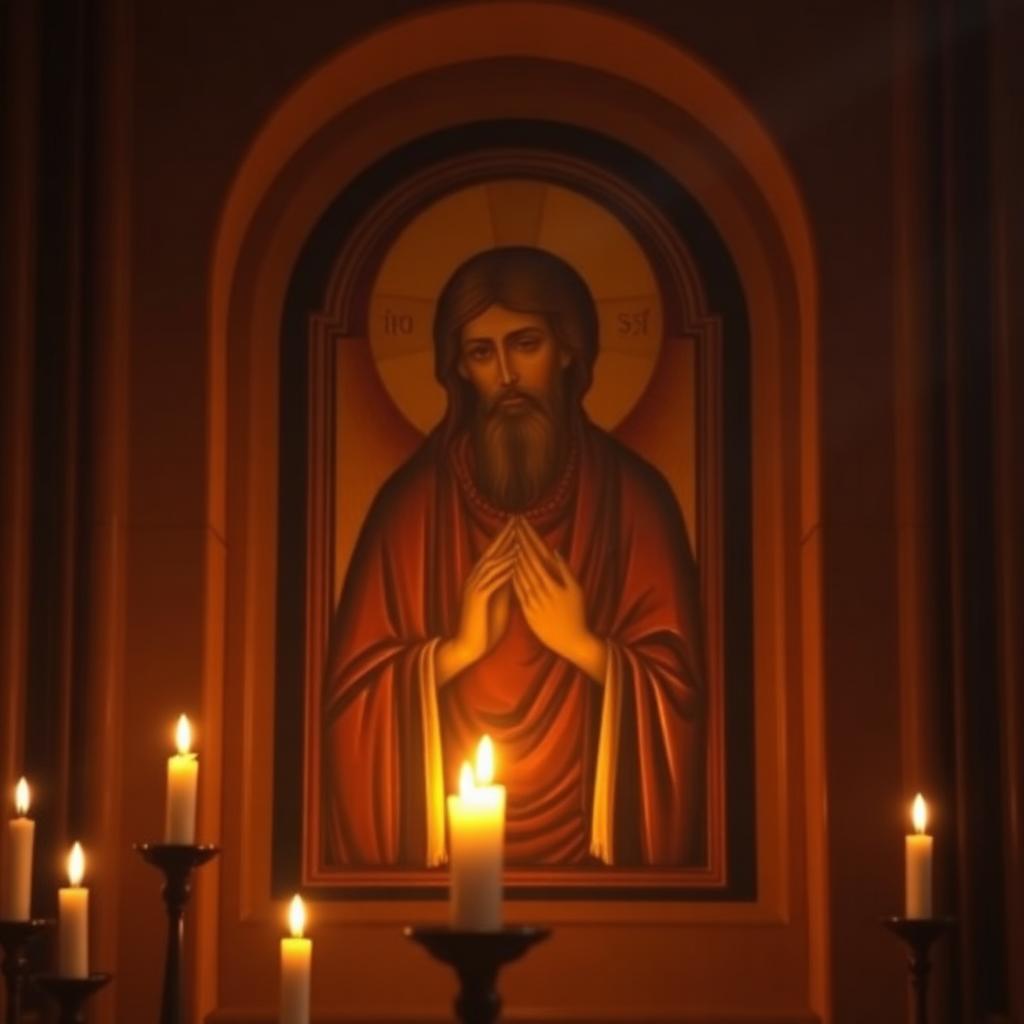
The contemplative lineage of Christianity, Meister Eckhart, Teresa of Ávila, John of the Cross.
- Curated companion
- Shared needs: meaning, grief, longing for god
- Similar practices: reading
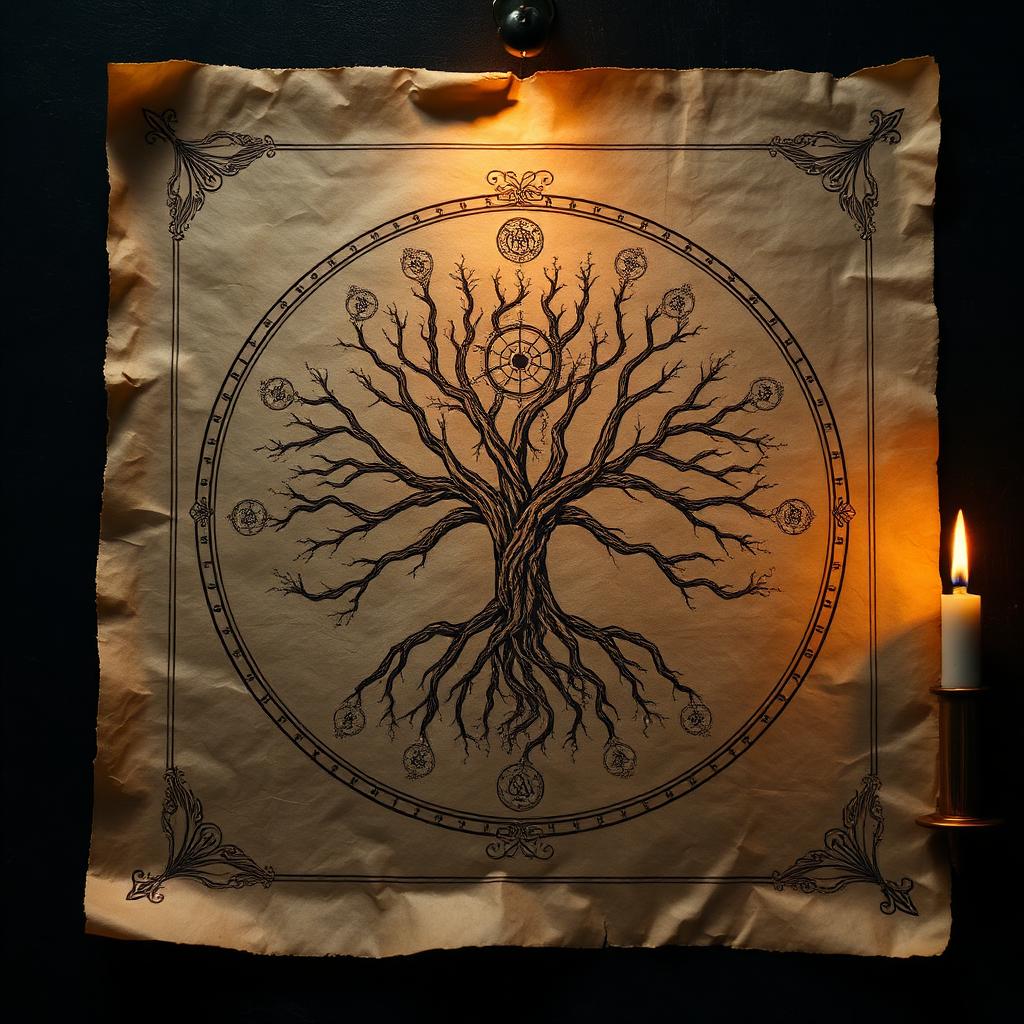
The mystical map of the Tree of Life and the ten sefirot, a lens for the soul's journey.
- Curated companion
- Shared needs: meaning
- Similar practices: learning
The rich Islamic tradition of understanding the soul, its states, and its refinement.
- Shared needs: meaning, grief
- Similar practices: reading
- Same region (Middle East)
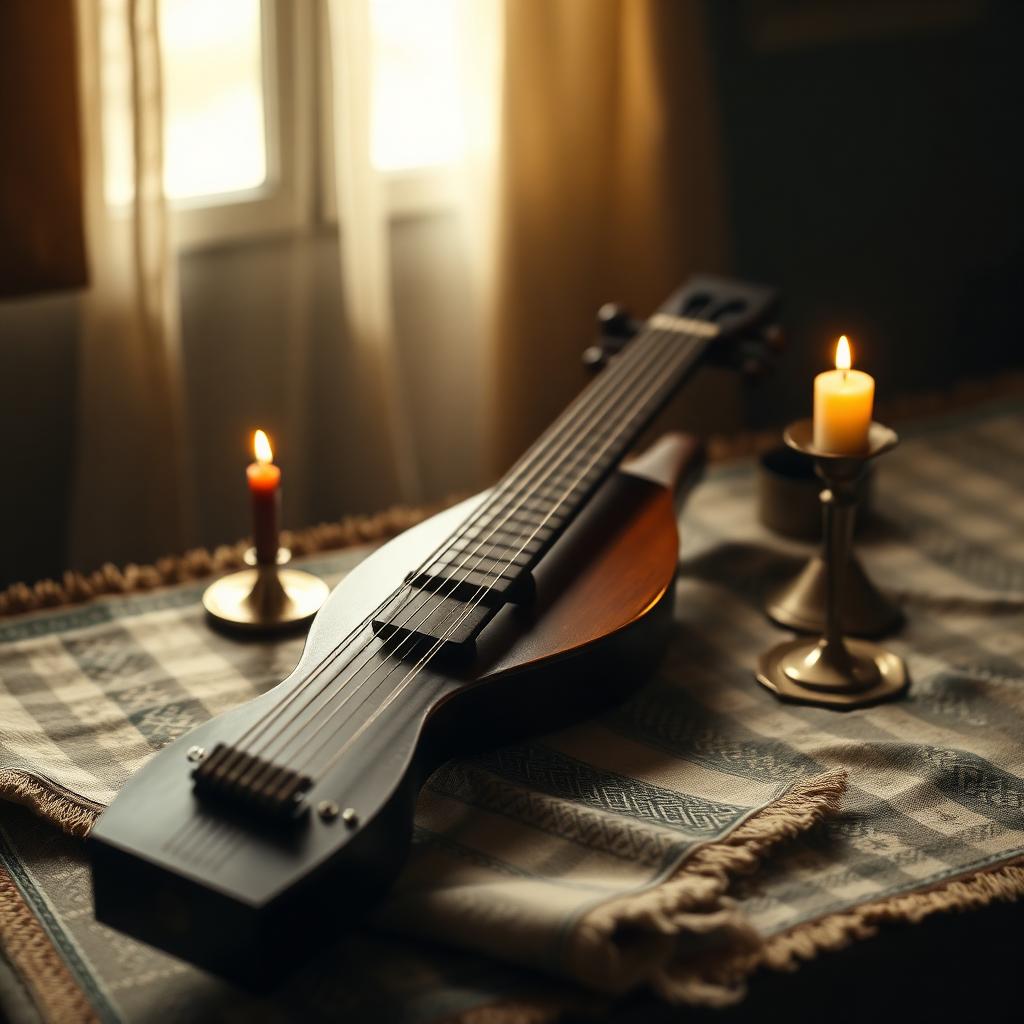
The gathering of Alevi Muslims of Anatolia, prayer, saz music, and semah sacred dance.
- Shared needs: grief, meaning
- Similar practices: learning
- Same region (Middle East)
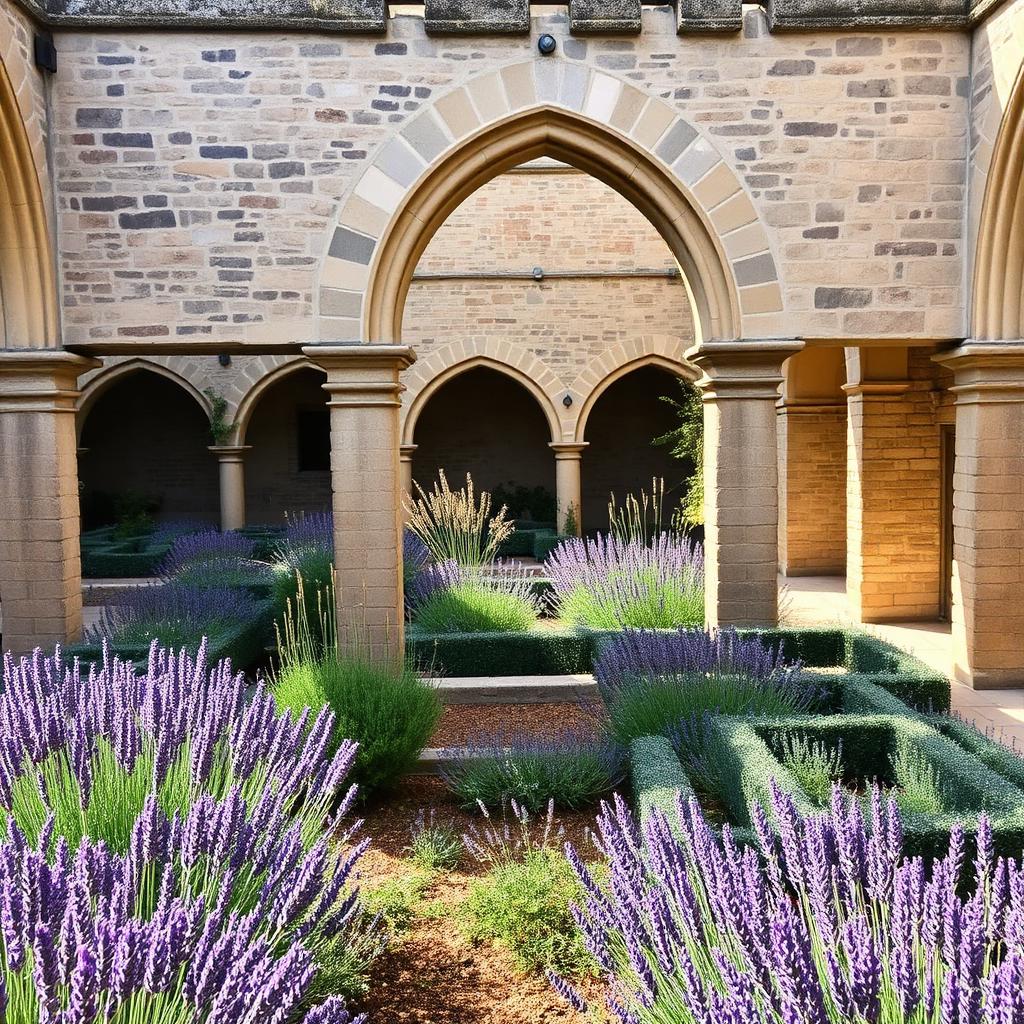
The healing gardens, herbals, and rule of life of Christian monastic communities.
- Shared needs: meaning, grief
- Similar practices: reading
- Same tradition type

The Japanese Buddhist school of direct awakening through zazen (seated meditation).
- Shared needs: meaning, grief
- Similar practices: reading
- Same tradition type