🕎Kabbalah
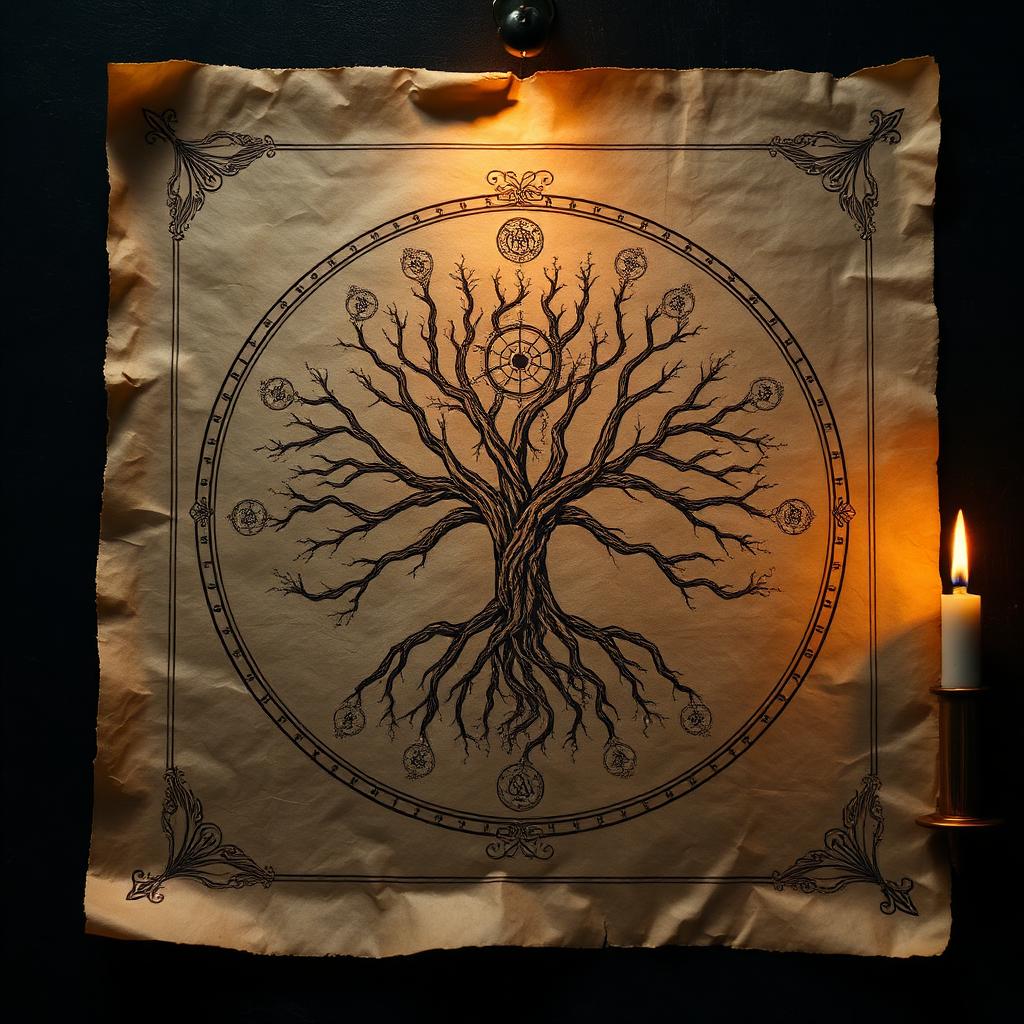
The mystical map of the Tree of Life and the ten sefirot, a lens for the soul's journey.
Imagery evoking Kabbalah, The mystical map of the Tree of Life and the ten sefirot, a lens for the soul's journey.
Symbolic imagery, generated with respect. No sacred ceremony or living person depicted.
Kabbalah is the mystical branch of Jewish thought, whose central image is the Etz Chayim (Tree of Life) mapping ten sefirot (divine emanations: Keter, Chokhmah, Binah, Chesed, Gevurah, Tiferet, Netzach, Hod, Yesod, Malkhut). The Zohar (13th century) and Isaac Luria's teachings (16th century Safed) are foundational. Traditionally not taught to men under 40 or to anyone without deep Torah grounding; a serious tradition, not a celebrity aesthetic.
Lineage: Moses de León (Zohar), Isaac Luria, Chaim Vital.
Courses $50, $500; center memberships vary.
Estimates only. Many traditions offer sliding-scale, donation, or community access; sacred ceremonies are never for sale.
Distinguishing cultural belief, traditional practice, and evidence-supported effect where applicable.
Emotional
Tikkun olam (repair of the world) frames suffering as call to action.
Psychological
The sefirot give a rich vocabulary for inner qualities.
Spiritual
The Tree of Life maps the soul's journey and the flow of divine influence.
Areas of possible support, not guarantees or medical claims.
- Jews with Torah grounding drawn to depth
- Serious students under a real teacher
- Learning the Tree of Life with a teacher
- Contemplation on a single sefirah for a week
- The Omer count (49 days linking Passover to Shavuot with paired sefirot)
What to know before exploring
Traditional practice
This is a living tradition carried through lineage and community. Its value is documented through generations of practitioners rather than clinical trials. Absence of Western studies is not absence of wisdom.
- Herbal preparations and dosing. Herbs, tinctures, teas, and topical preparations can be gentle and powerful at the same time. They may interact with prescription medications or affect blood pressure, the liver, kidneys, or allergies. Quality and sourcing matter, so work with a knowledgeable practitioner and share your medication list.
- Trance, possession, and altered states. Drumming, dance, and possession-based ceremonies can open non-ordinary states that feel profound but may be destabilizing for people with a personal or family history of psychosis, bipolar, dissociation, or acute trauma. Go slowly and honestly, with trustworthy support.
- Cultural appropriation and closed practices. Elements of this tradition may be reserved for initiated practitioners or community members. Approach as a respectful learner, not a consumer, and never present the practice as your own.
This information is shared as general education, not medical advice. The safest path is to share your full health story and current medications with both the practitioner and your regular healthcare provider before beginning something new.
Which sefirah am I over-relying on this season?
Which one am I neglecting?
Written in the spirit of this tradition, held as invitations, not instructions. Take what serves your reflection.
Which sefirah, mercy, judgement, beauty, feels most alive in me right now?
Where am I resisting the flow of what wants to come through me?
Which relationships mirror back to me the parts of God I forget?
Engaging with respect
Learn from serious Jewish teachers, not celebrity Kabbalah brands.
Traditions that share needs, practices, or cultural context with this one. Explore with respect for each lineage's origins.
The Merkabah, Hasidic, and Kabbalistic streams of Jewish inner life.
- Curated companion
- Shared needs: meaning
- Similar practices: learning
The contemplative lineage of Christianity, Meister Eckhart, Teresa of Ávila, John of the Cross.
- Curated companion
- Shared needs: meaning
- Same tradition type
The Cuban Yoruba-rooted tradition of orisha, prayer, and initiation.
- Shared needs: life direction, meaning
- Same tradition type
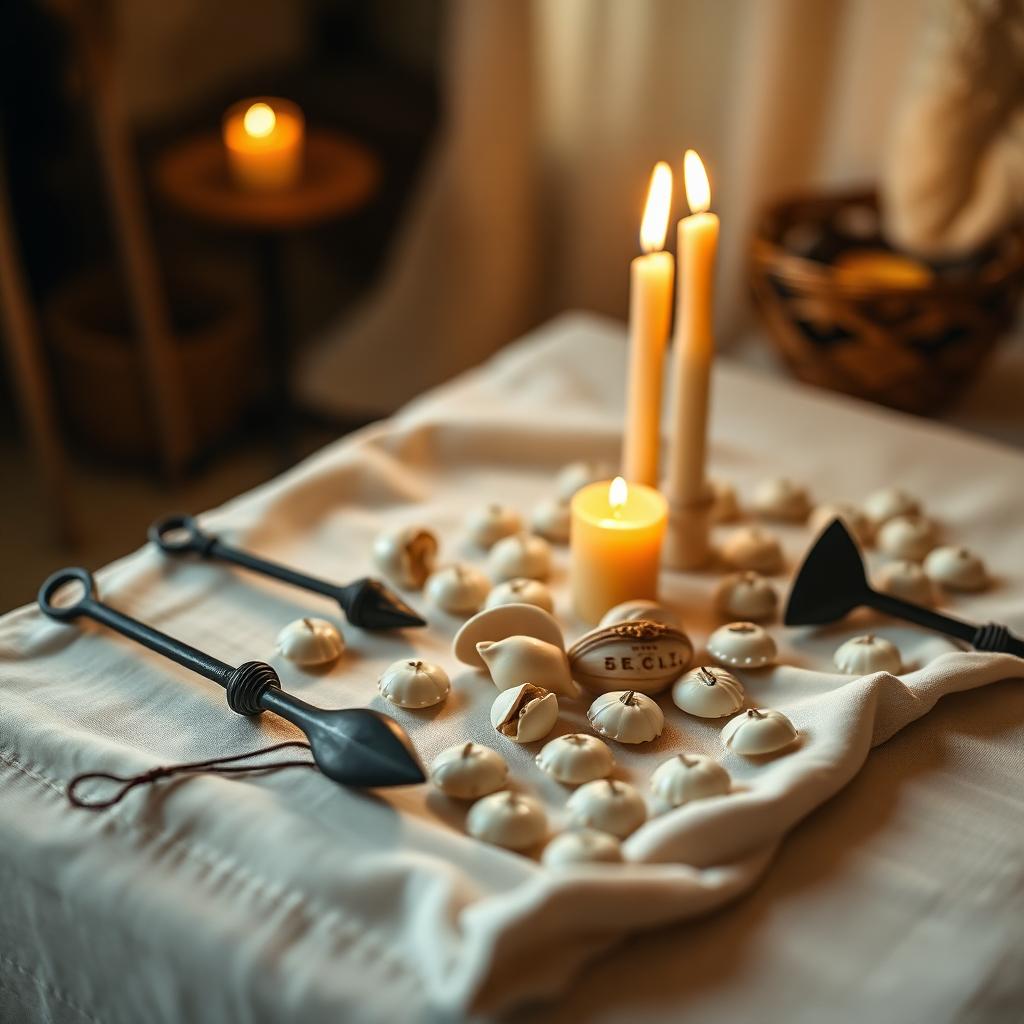
The Afro-Brazilian tradition rooted in Yoruba, Fon, and Bantu wisdom, orisha, dance, and drum.
- Shared needs: life direction, meaning
- Same tradition type
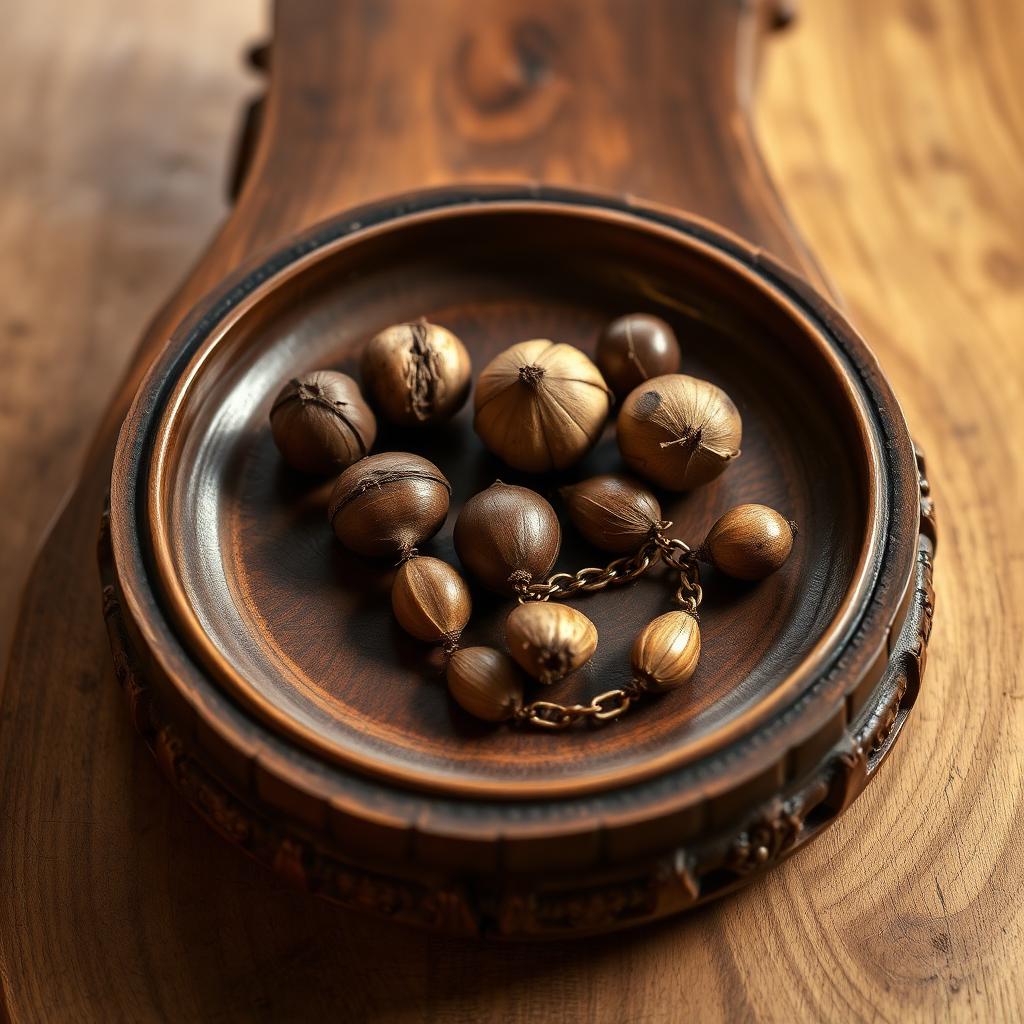
The divination system of the Yoruba, a sacred body of 256 poetic texts guiding life and healing.
- Shared needs: life direction, meaning
- Similar practices: learning

The Socratic, Aristotelian, and Platonic examination of the good life, Western therapy's grandparent.
- Shared needs: meaning, life direction
- Similar practices: life