🌙Sufism
The mystical heart of Islam, remembrance of God through breath, poetry, movement, and community.
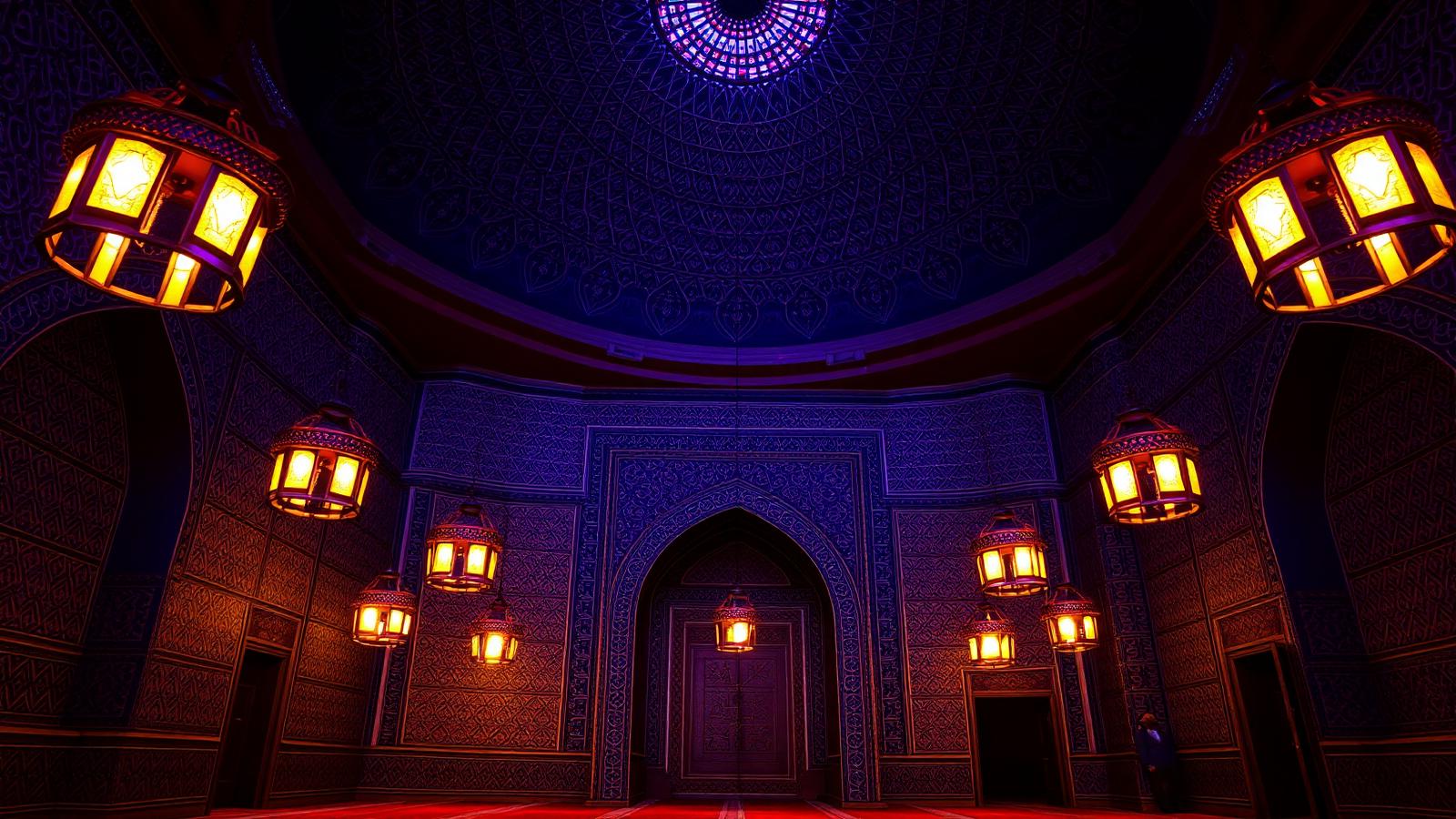
The interior of a Sufi shrine at twilight, geometric tilework and lanterns holding the space of remembrance (dhikr).
Architectural imagery, generated with respect. No worshippers depicted.
Sufism (Taṣawwuf) is the mystical and contemplative dimension of Islam, taught within lineages called ṭuruq that trace back to the Prophet Muhammad ﷺ. Practice is centered on remembrance of God (dhikr), through the breath, the tongue, the heart, and the body, and on the polishing of the heart from what obscures it. Sufism has shaped poetry (Rumi, Hafiz, Attar), music (qawwali, sama'), and community life across the Muslim world, from Morocco to Indonesia. Healing here is not separate from the path, it is what happens as a person moves closer to the Divine.
Lineage: Silsilas (chains of transmission) through masters such as al-Junayd, Rabia al-Adawiyya, Ibn Arabi, Rumi, and Abdul-Qadir Gilani.
Zikr circles free; retreats vary.
Estimates only. Many traditions offer sliding-scale, donation, or community access; sacred ceremonies are never for sale.
Distinguishing cultural belief, traditional practice, and evidence-supported effect where applicable.
Emotional
Dhikr and poetry give language to longing that has no other outlet, the ache becomes prayer.
Psychological
The Sufi teaching on nafs (the layered self) offers a rich map for working with the ego, its wounds, and its refinement.
Spiritual
Direct experiential contact with God as al-Rahman, the Most Merciful, reshapes the heart.
Community
The suhba (companionship of seekers) and the guidance of a shaykh hold the person across time.
Physical
Whirling, breath, and posture are used as embodied prayer.
Nervous system
Rhythmic dhikr and communal chant regulate the nervous system through breath and sustained sound.
Areas of possible support, not guarantees or medical claims.
- Muslims seeking a deepening beyond the outward form of practice
- People of any faith drawn to a devotional, heart-centered path
- Anyone in a season of longing, grief, or the search for meaning
- Dhikr (remembrance of God's names, aloud or silent)
- Ṣalāt performed with attentive presence (ihsan)
- Reading and reciting Sufi poetry
- Sama', sacred listening to music
- Muḥāsaba, nightly self-examination
- Sohbet, sitting in the presence of a teacher
What to know before exploring
Traditional practice
This is a living tradition carried through lineage and community. Its value is documented through generations of practitioners rather than clinical trials. Absence of Western studies is not absence of wisdom.
- Herbal preparations and dosing. Herbs, tinctures, teas, and topical preparations can be gentle and powerful at the same time. They may interact with prescription medications or affect blood pressure, the liver, kidneys, or allergies. Quality and sourcing matter, so work with a knowledgeable practitioner and share your medication list.
- Trance, possession, and altered states. Drumming, dance, and possession-based ceremonies can open non-ordinary states that feel profound but may be destabilizing for people with a personal or family history of psychosis, bipolar, dissociation, or acute trauma. Go slowly and honestly, with trustworthy support.
- Cultural appropriation and closed practices. Some elements are closed to outsiders or reserved for initiated practitioners. Participating without invitation, or teaching without lineage, can harm living communities and weaken the practice itself. Approach as a respectful learner, not a consumer.
This information is shared as general education, not medical advice. The safest path is to share your full health story and current medications with both the practitioner and your regular healthcare provider before beginning something new.
What does my heart long for that nothing in this world has satisfied?
Which name of the Divine do I most need right now, the Merciful, the Just, the Near, the Patient?
What in me needs polishing before it can reflect more clearly?
Written in the spirit of this tradition, held as invitations, not instructions. Take what serves your reflection.
What longing in me is really longing for the Beloved?
Where does my heart want to turn today, if I let it?
Which teacher, poet, or friend has helped me recognize love as a path?
Engaging with respect
Sufism is Islamic. The most grounded teachers work within the Islamic tradition (prayer, fasting, ethical practice) rather than as generic 'mysticism'. If Rumi's poetry has drawn you, consider learning about the tradition that shaped him.
Traditions that share needs, practices, or cultural context with this one. Explore with respect for each lineage's origins.
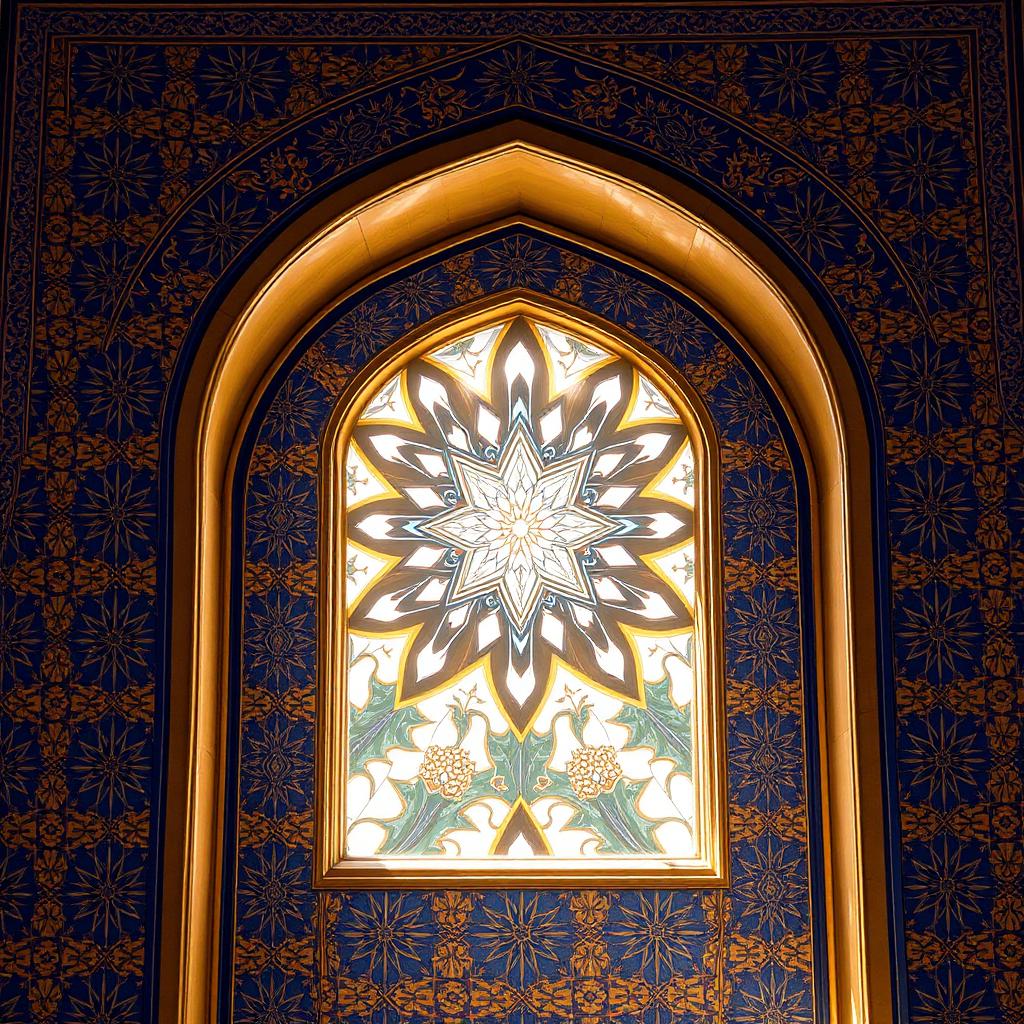
The rich Islamic tradition of understanding the soul, its states, and its refinement.
- Curated companion
- Shared needs: anxiety, grief
- Similar practices: nightly, reading
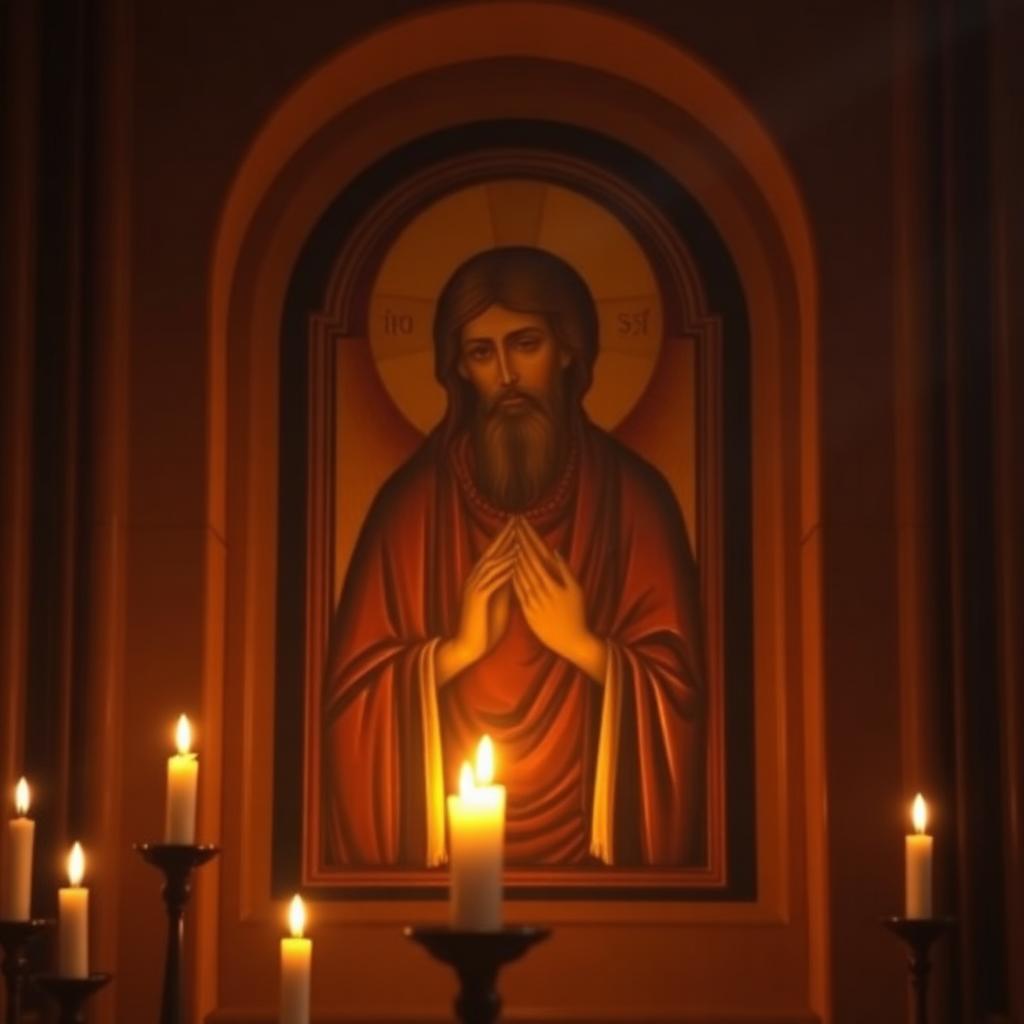
The contemplative lineage of Christianity, Meister Eckhart, Teresa of Ávila, John of the Cross.
- Curated companion
- Shared needs: grief, anxiety
- Similar practices: reading
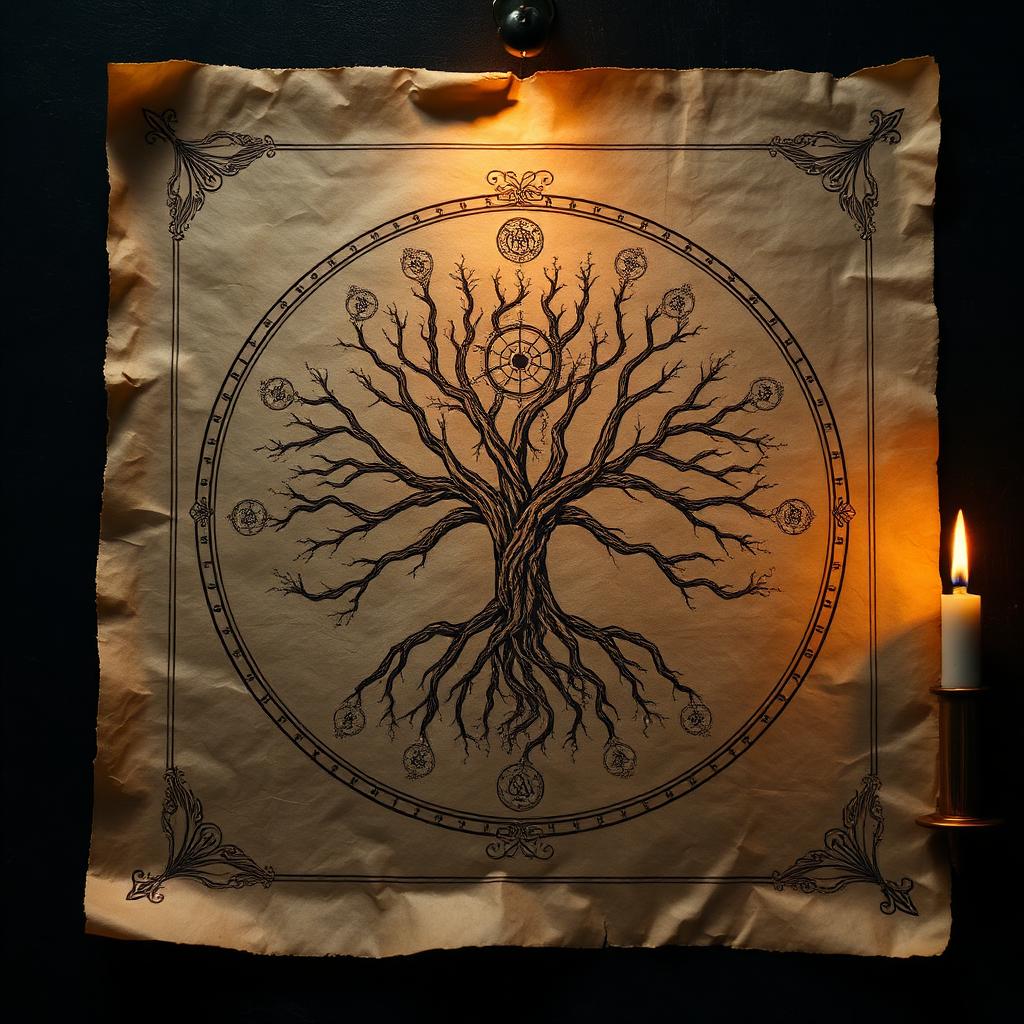
The mystical map of the Tree of Life and the ten sefirot, a lens for the soul's journey.
- Curated companion
- Shared needs: spiritual longing
- Similar practices: teacher
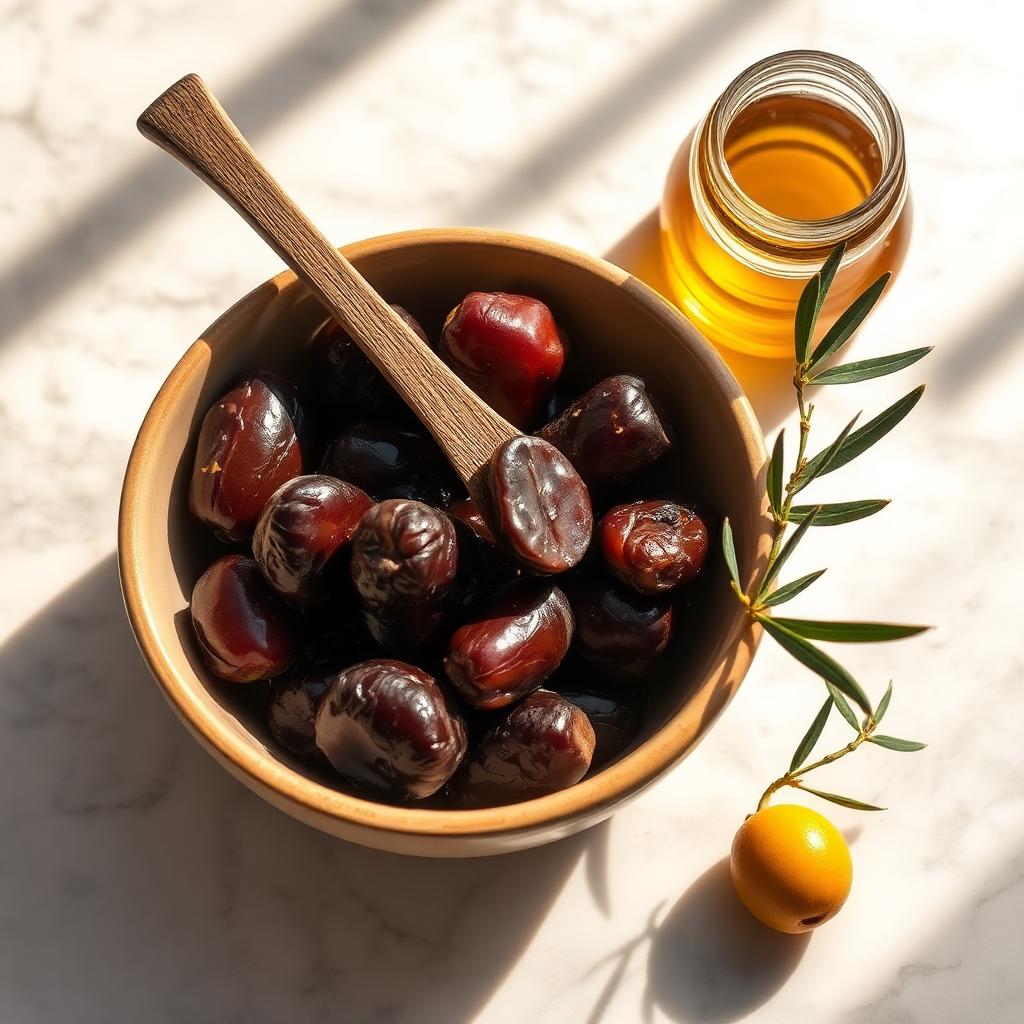
Health guidance drawn from the sayings and practice of the Prophet Muhammad ﷺ.
- Curated companion
- Same region (Middle East)
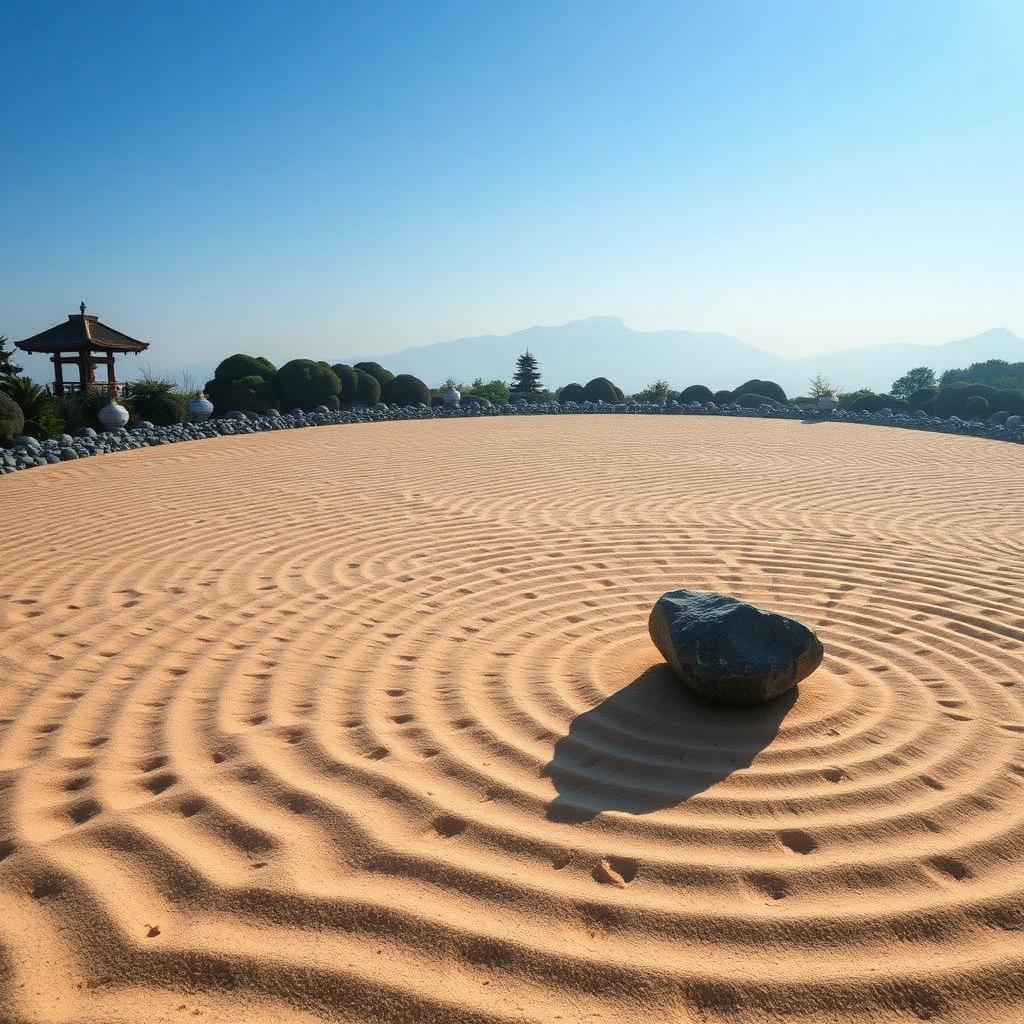
The Japanese Buddhist school of direct awakening through zazen (seated meditation).
- Shared needs: anxiety, grief
- Similar practices: silent, teacher, reading
- Same tradition type
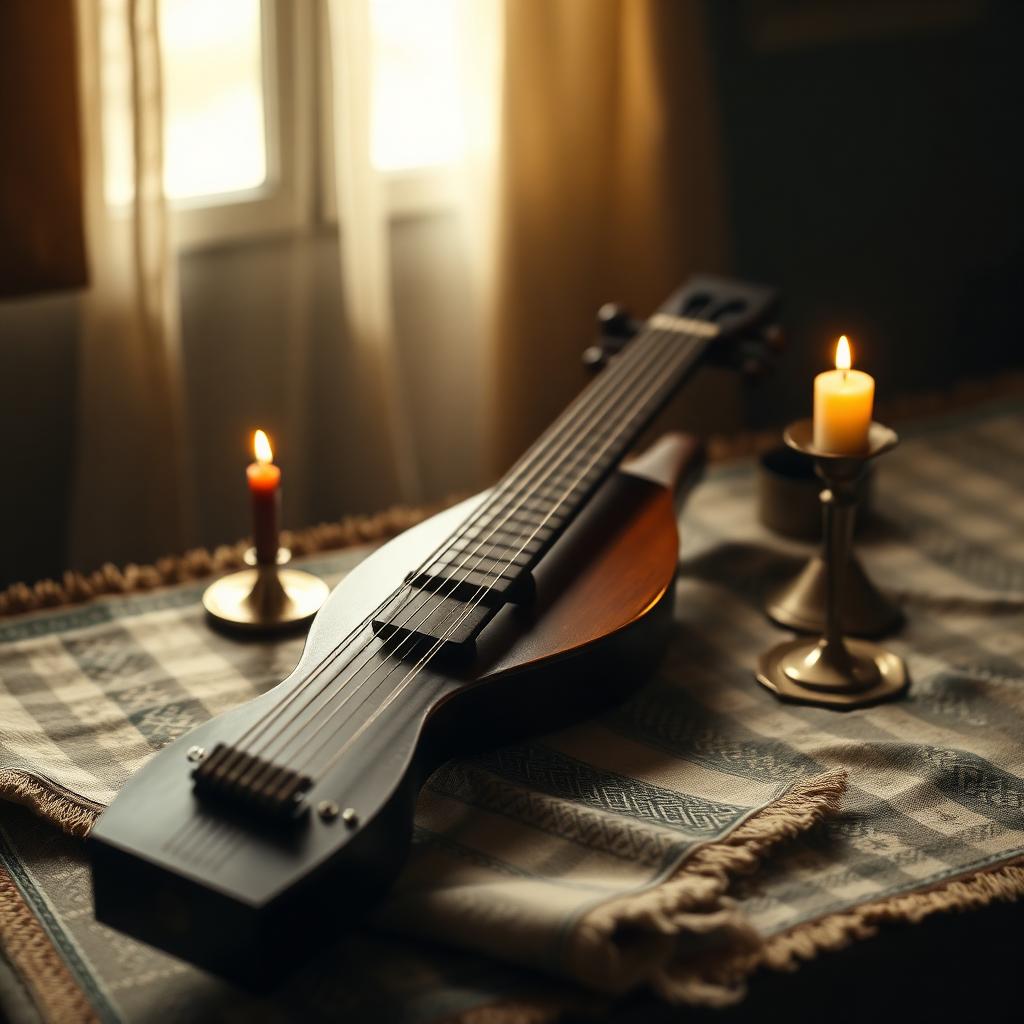
The gathering of Alevi Muslims of Anatolia, prayer, saz music, and semah sacred dance.
- Shared needs: community, grief
- Similar practices: listening
- Same region (Middle East)