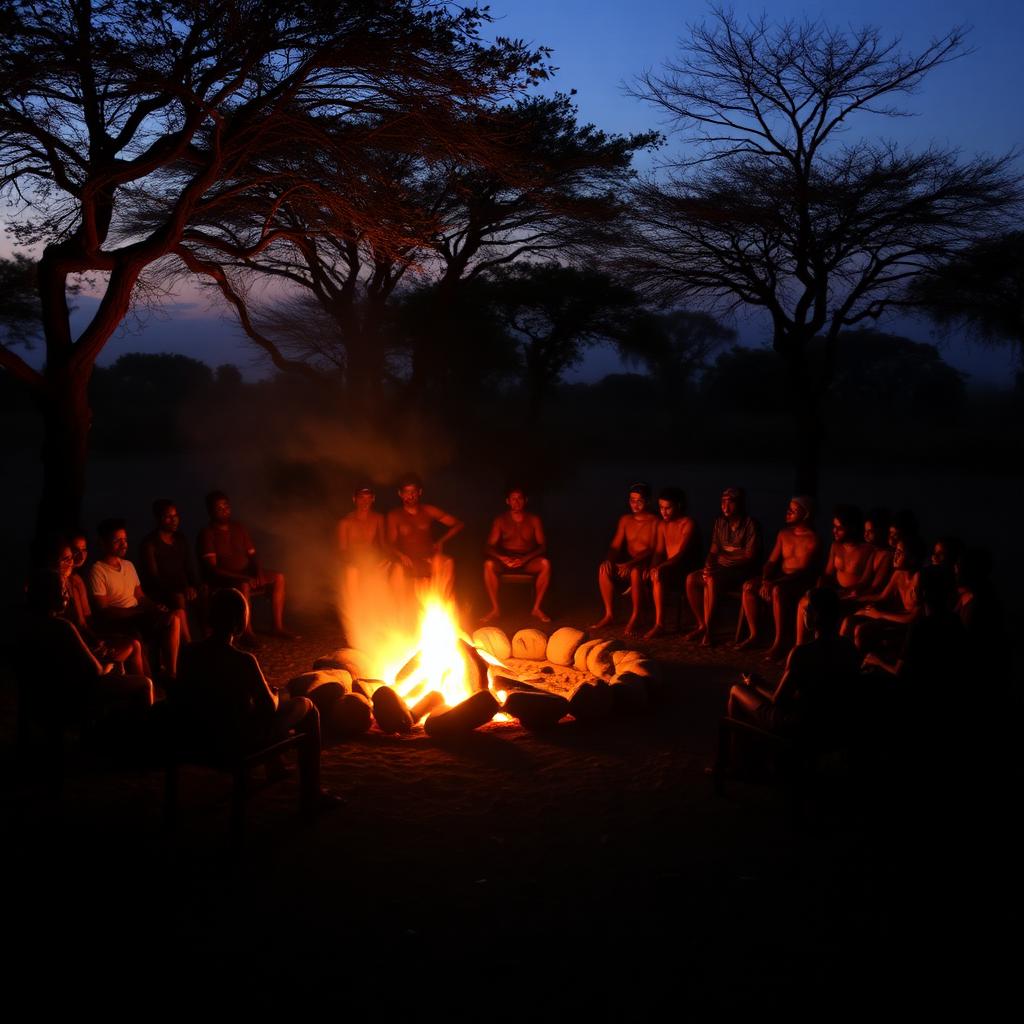
🔥African Community Healing Rituals
Communal ceremonies that hold grief, reconciliation, and life passages across many African peoples.
Imagery evoking African Community Healing Rituals, Communal ceremonies that hold grief, reconciliation, and life passages across many African peoples.
Symbolic imagery, generated with respect. No sacred ceremony or living person depicted.
Across the continent, communal ceremony carries a person through grief, illness, life passage, and reconciliation. What Western culture has largely privatized (mourning, coming of age, forgiveness) African traditions have long held in public. Malidoma Somé of the Dagara wrote powerfully about grief rituals as essential public medicine. Contemporary practitioners such as Sobonfu Somé and Bayo Akomolafe have carried these frames into global settings.
Lineage: Village and lineage traditions across many African peoples.
Community-hosted; donation-based.
Estimates only. Many traditions offer sliding-scale, donation, or community access; sacred ceremonies are never for sale.
Distinguishing cultural belief, traditional practice, and evidence-supported effect where applicable.
Emotional
Grief and rage move in the body when there is a container that can hold them.
Spiritual
Ancestor and land are addressed as participants, not audience.
Community
Repairs the fabric of a group after conflict, death, or shared trauma.
Areas of possible support, not guarantees or medical claims.
- People carrying grief that has nowhere to go
- Communities after collective loss or harm
- Anyone in a life transition without ritual to mark it
- Grief rituals with witnesses and altar
- Reconciliation circles
- Initiation and coming-of-age ceremonies
- Funerary rites with song, dance, and food
What to know before exploring
Traditional practice
This is a living tradition carried through lineage and community. Its value is documented through generations of practitioners rather than clinical trials. Absence of Western studies is not absence of wisdom.
- Financial and spiritual exploitation risk. Sacred traditions can attract people who charge steep fees or claim exclusive spiritual authority. Trustworthy teachers welcome questions, encourage outside support, and never pressure you to pay for more than you can afford.
- Cultural appropriation and closed practices. Some elements are closed to outsiders or reserved for initiated practitioners. Participating without invitation, or teaching without lineage, can harm living communities and weaken the practice itself. Approach as a respectful learner, not a consumer.
- Active PTSD or unprocessed severe trauma. Immersive, ceremonial, and altered-state work can surface traumatic memories without warning. If you are living with active PTSD, build a relationship with a trauma-informed licensed clinician first, and choose practitioners trained to hold trauma responses gently.
This information is shared as general education, not medical advice. The safest path is to share your full health story and current medications with both the practitioner and your regular healthcare provider before beginning something new.
What grief in me has never been publicly witnessed?
Where in my life is a rite of passage overdue?
Who in my community would I trust to hold ceremony with me?
Written in the spirit of this tradition, held as invitations, not instructions. Take what serves your reflection.
What grief in me has never been witnessed by more than one person?
What does it feel like when something larger than us gathers in a room?
Where do I belong to a we, not only an I?
Traditions that share needs, practices, or cultural context with this one. Explore with respect for each lineage's origins.
'I am because we are', a Southern African philosophy of communal personhood as healing.
- Curated companion
- Shared needs: reconciliation, meaning, community trust
- Similar practices: rituals
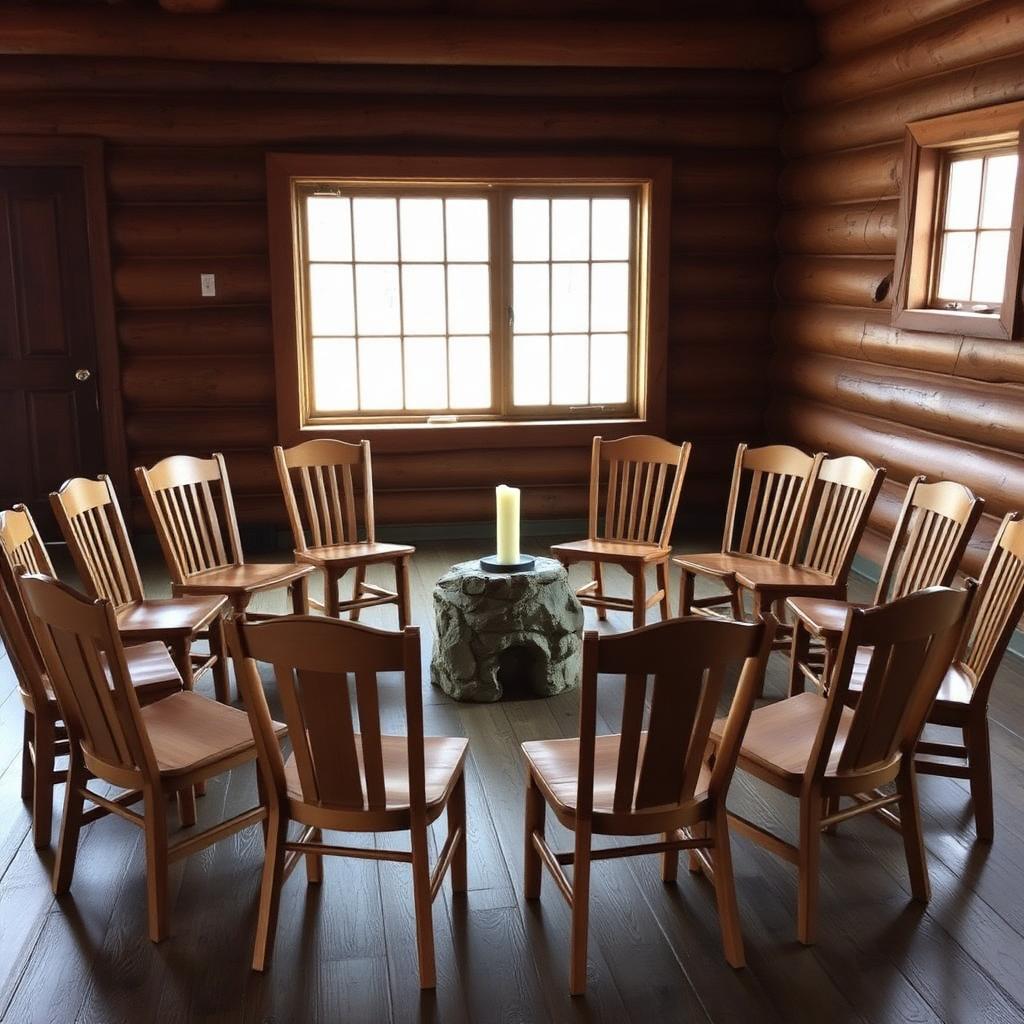
A Council practice in which each person speaks and is heard in turn, holding the whole group.
- Curated companion
- Shared needs: community trust, grief
- Same tradition type
A West African tradition weaving ancestral wisdom, herbal medicine, and communal ritual into everyday life.
- Curated companion
- Shared needs: grief
- Same region (Africa)
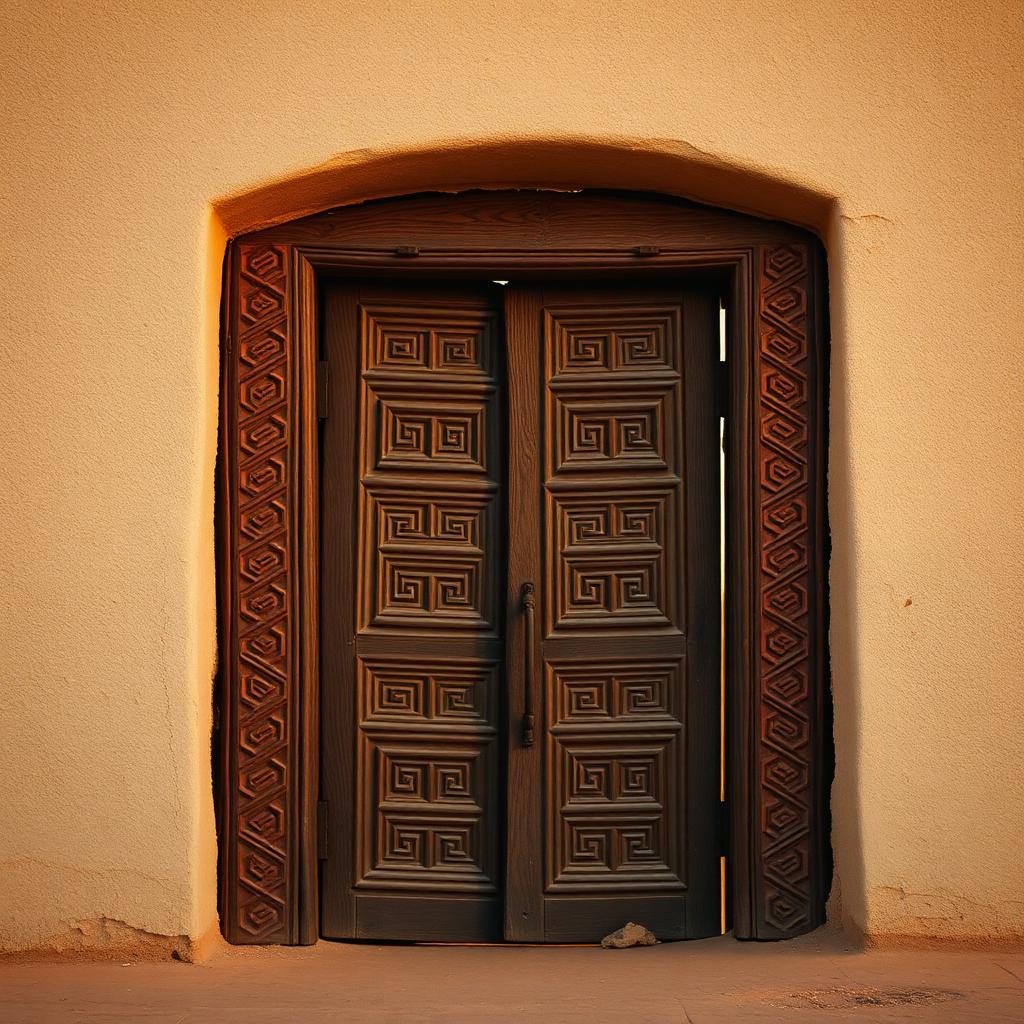
The intricate star-lore, mask ceremony, and healing philosophy of the Dogon of Mali.
- Shared needs: grief, meaning, life passage
- Similar practices: funerary, ceremonies
- Same region (Africa)
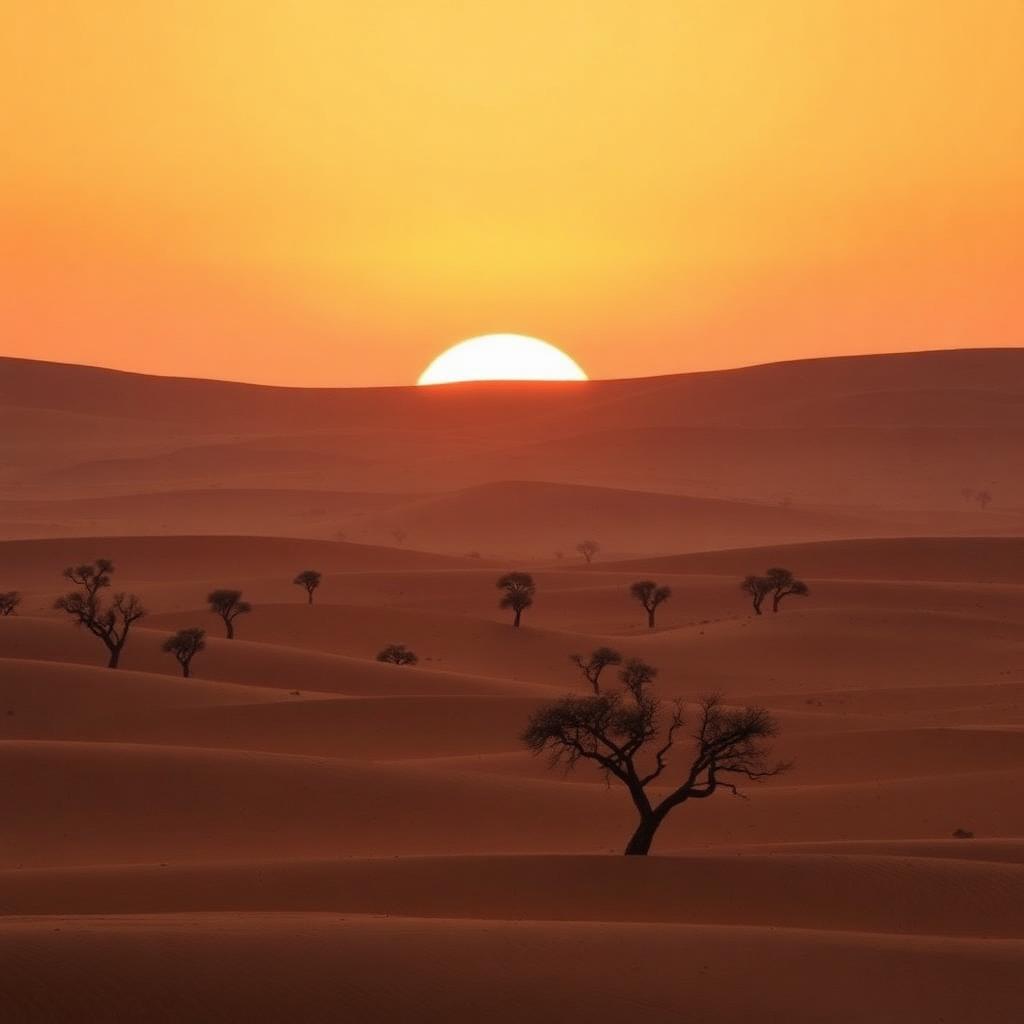
The oldest continuous healing tradition on Earth, the San n/om dance of the Kalahari.
- Shared needs: grief, meaning, reconciliation
- Similar practices: dance
- Same region (Africa)
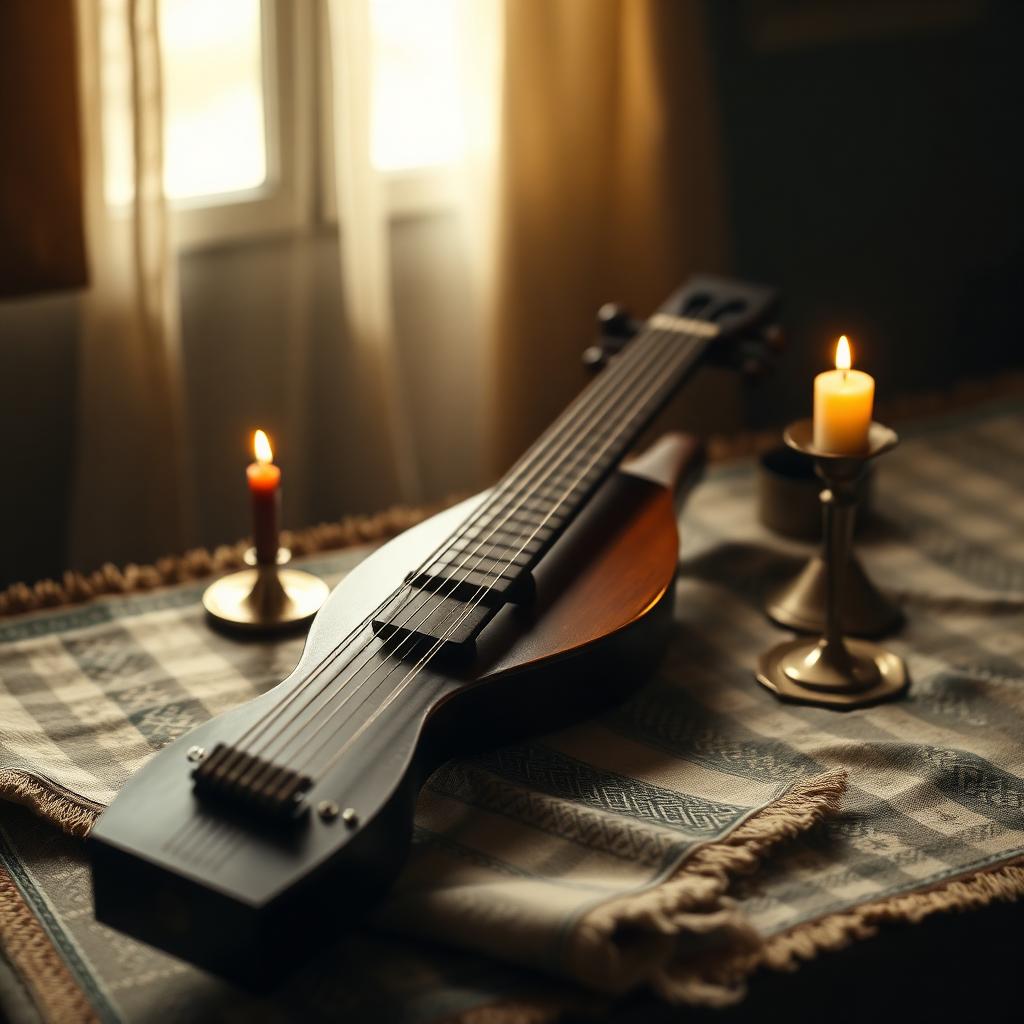
The gathering of Alevi Muslims of Anatolia, prayer, saz music, and semah sacred dance.
- Shared needs: reconciliation, grief, meaning