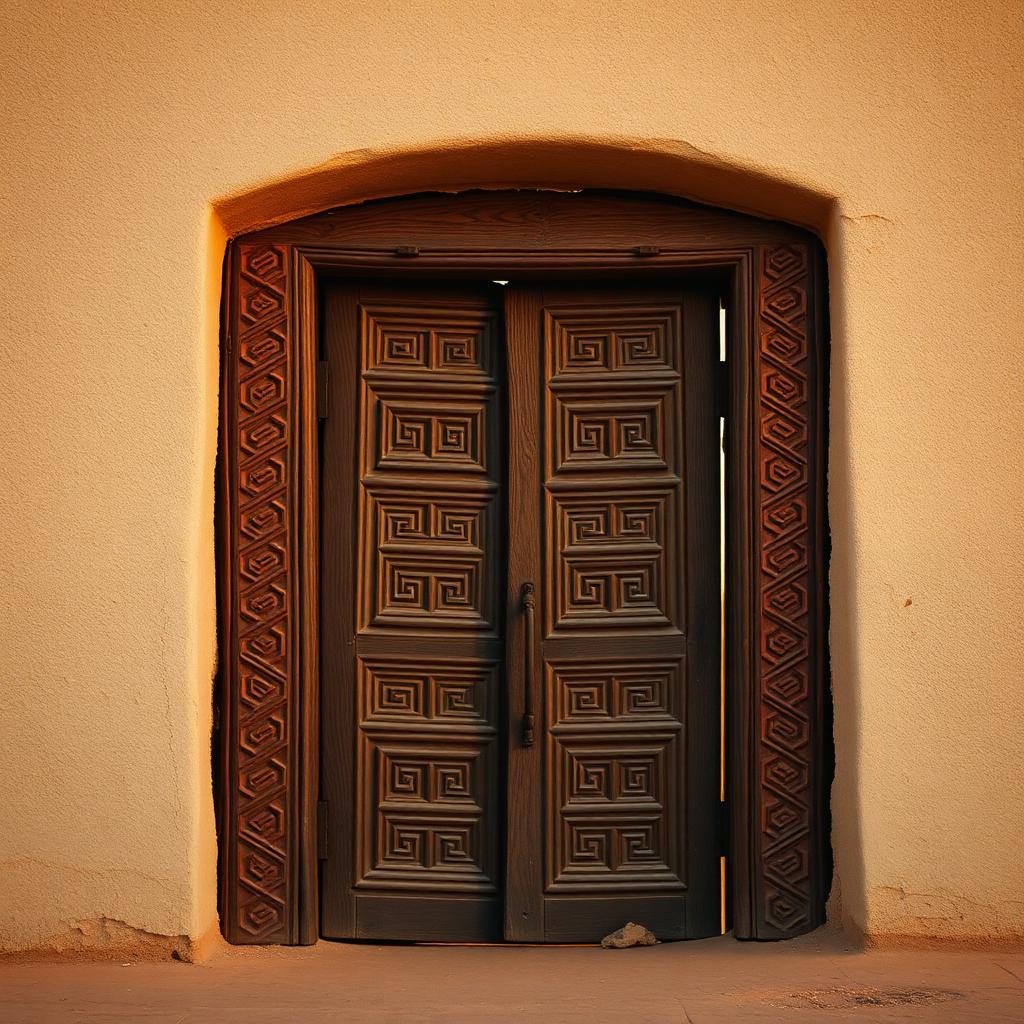
🌌Dogon Cosmology
The intricate star-lore, mask ceremony, and healing philosophy of the Dogon of Mali.
The Dogon of the Bandiagara cliffs in Mali hold an intricate cosmology of the star Sirius (Sigi Tolo), the twin creation myth of Nommo, and elaborate mask ceremonies (Dama) marking the passage of the dead. Healers work with plants, prayer, and cosmological order. The Dogon galvanized global fascination through the ethnography of Marcel Griaule, though later scholars have complicated some of his findings.
Lineage: Dogon lineage of hogon (spiritual leaders), diviners, and mask societies.
Cost depends on practitioner, region, and format.
Estimates only. Many traditions offer sliding-scale, donation, or community access; sacred ceremonies are never for sale.
Distinguishing cultural belief, traditional practice, and evidence-supported effect where applicable.
Emotional
The Sigui ceremony marks generational passage every 60 years.
Spiritual
Places the person inside a vast, ordered cosmos.
Community
Mask ceremony holds the community through death.
Areas of possible support, not guarantees or medical claims.
- People drawn to intricate cosmological traditions
- Those grieving without a container
- Dama funerary mask ceremonies
- Divination on sand tables (fox divination)
- Ancestor altars
What to know before exploring
Traditional practice
This is a living tradition carried through lineage and community. Its value is documented through generations of practitioners rather than clinical trials. Absence of Western studies is not absence of wisdom.
- Financial and spiritual exploitation risk. Sacred traditions can attract people who charge steep fees or claim exclusive spiritual authority. Trustworthy teachers welcome questions, encourage outside support, and never pressure you to pay for more than you can afford.
- Cultural appropriation and closed practices. Elements of this tradition may be reserved for initiated practitioners or community members. Approach as a respectful learner, not a consumer, and never present the practice as your own.
- Active PTSD or unprocessed severe trauma. Immersive, ceremonial, and altered-state work can surface traumatic memories without warning. If you are living with active PTSD, build a relationship with a trauma-informed licensed clinician first, and choose practitioners trained to hold trauma responses gently.
This information is shared as general education, not medical advice. The safest path is to share your full health story and current medications with both the practitioner and your regular healthcare provider before beginning something new.
What would it change in me to see my life inside a 60-year cycle?
How is grief marked in my culture, and is it enough?
Engaging with respect
The Dogon face pressure from tourism and extremism; support through ethical sources.
Traditions that share needs, practices, or cultural context with this one. Explore with respect for each lineage's origins.
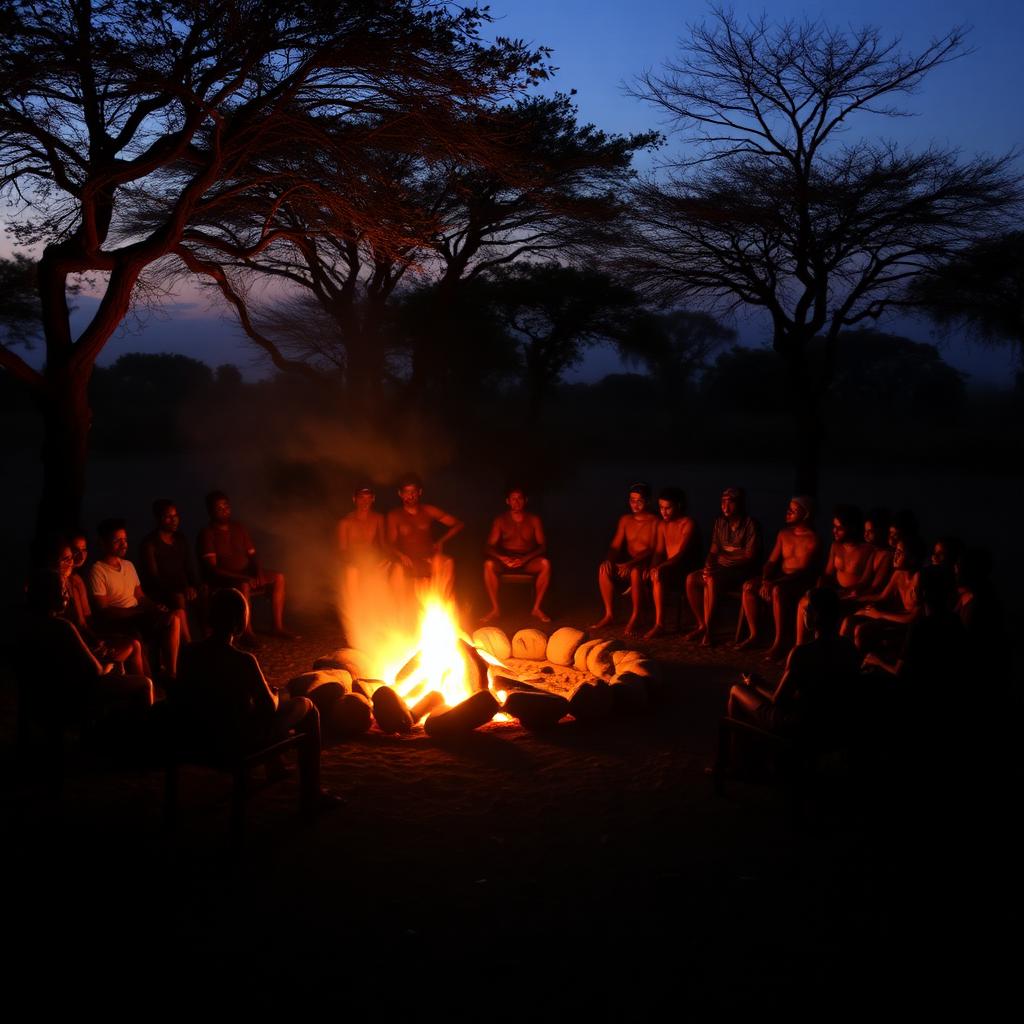
Communal ceremonies that hold grief, reconciliation, and life passages across many African peoples.
- Curated companion
- Shared needs: grief, life passage, meaning
- Similar practices: ceremonies, funerary
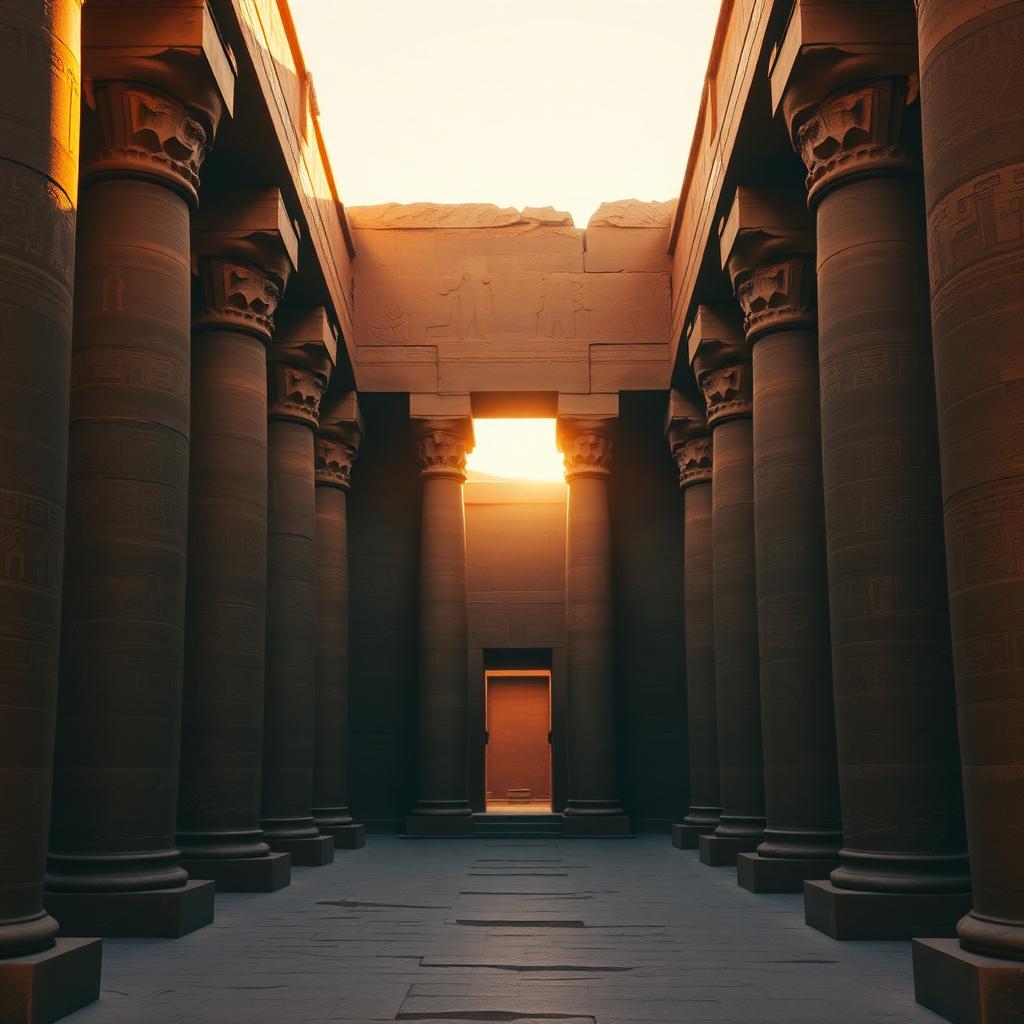
Ancient Egyptian medicine and spiritual science of Ma'at and the nine bodies.
- Curated companion
- Shared needs: meaning, grief
- Same region (Africa)
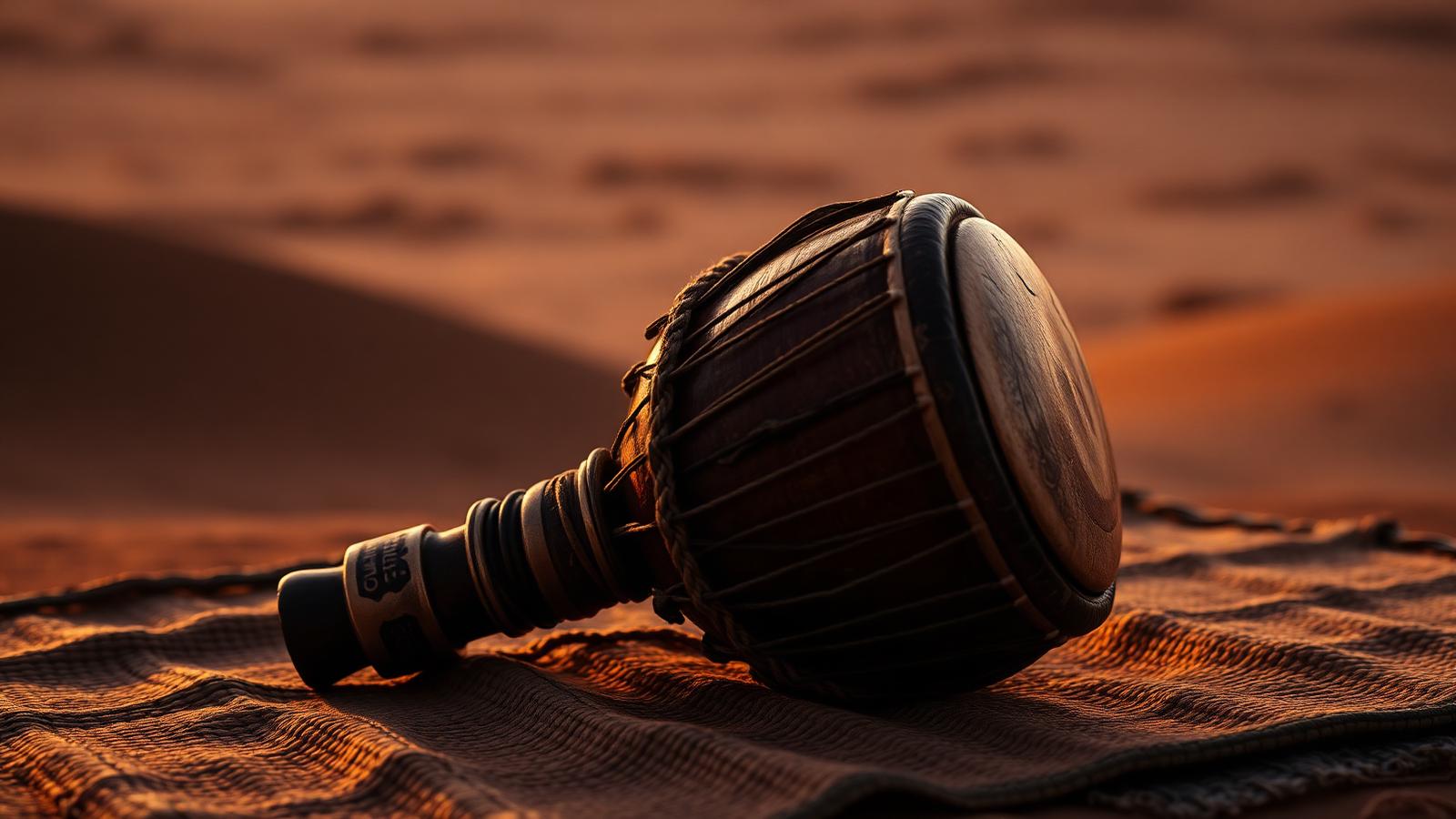
A West African tradition weaving ancestral wisdom, herbal medicine, and communal ritual into everyday life.
- Curated companion
- Shared needs: grief
- Similar practices: divination
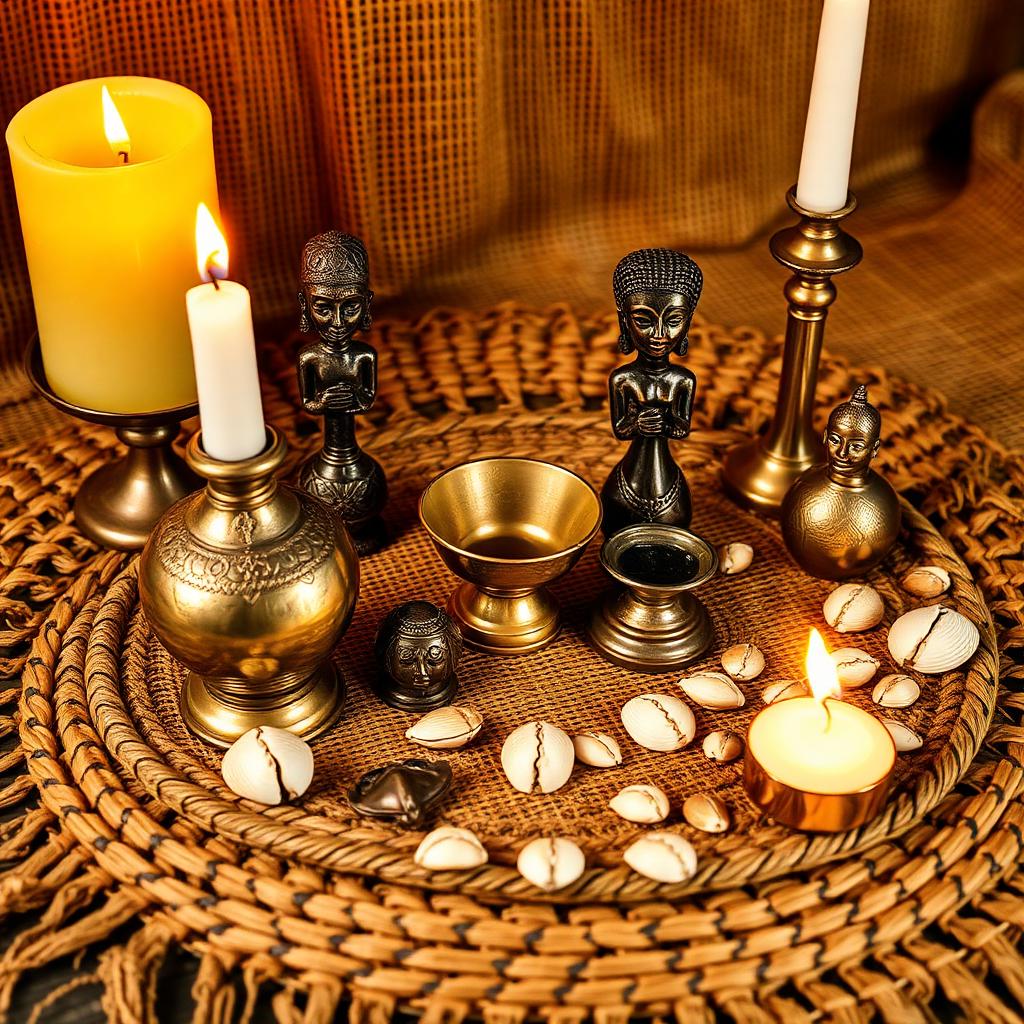
The Vodun heritage of the Kingdom of Benin, ancestors, spirits, and divination.
- Shared needs: grief
- Similar practices: divination, ancestor, altars
- Same region (Africa)

The oldest continuous healing tradition on Earth, the San n/om dance of the Kalahari.
- Shared needs: grief, meaning
- Same region (Africa)
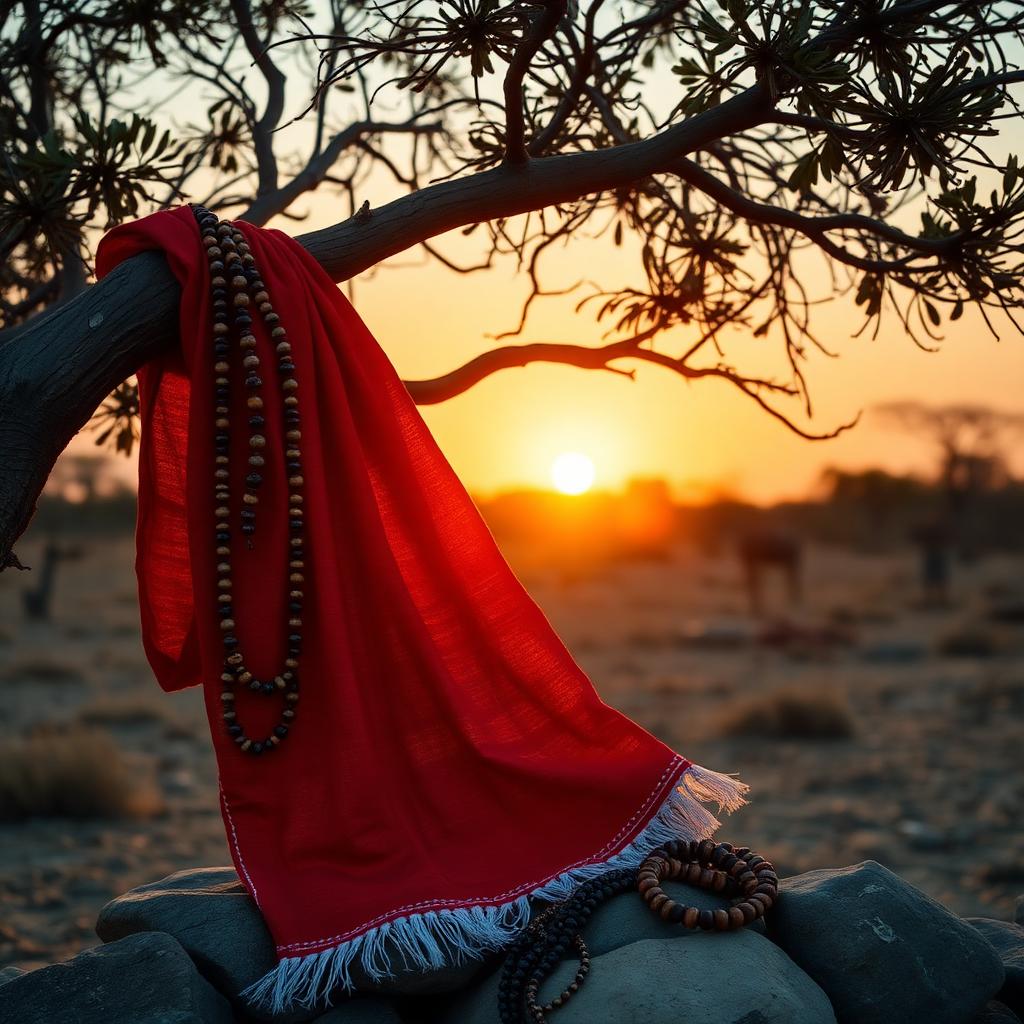
The pastoralist wisdom of the Maasai of Kenya and Tanzania, age-sets, cattle, and land.
- Shared needs: life passage, meaning
- Same region (Africa)