⭐Druze Spirituality
The esoteric Levantine tradition of the Druze, contemplation of the soul and unity.
The Druze are a distinct religious community of Lebanon, Syria, Israel, and Jordan (about a million people), following a monotheistic esoteric tradition founded in 11th-century Egypt. Their teachings blend Neoplatonism, Ismaili Shia mysticism, and Greek philosophy; they believe in the transmigration of souls (taqammus) and hold their scriptures largely closed to outsiders. The tradition is contemplative, ethical, and deeply communal.
Lineage: Hamza ibn Ali and the early Druze da'wa in Fatimid Egypt.
Cost depends on practitioner, region, and format.
Estimates only. Many traditions offer sliding-scale, donation, or community access; sacred ceremonies are never for sale.
Distinguishing cultural belief, traditional practice, and evidence-supported effect where applicable.
Psychological
Ethical living (the Seven Pillars) gives a daily orientation.
Spiritual
The teaching of taqammus reframes death.
Community
Druze communities are famously supportive of each other across generations.
Areas of possible support, not guarantees or medical claims.
- Druze people
- Others learning respectfully from a closed tradition
- For Druze: engaging with the community's teachers (uqqal)
- For non-Druze: studying the Druze ethical framework respectfully
What to know before exploring
Cultural and spiritual belief
This entry describes a cultural or spiritual worldview. Any healing effects are held within that worldview and are not framed as clinical outcomes. Approach with curiosity and respect for the culture that carries it.
- Herbal preparations and dosing. Herbs, tinctures, teas, and topical preparations can be gentle and powerful at the same time. They may interact with prescription medications or affect blood pressure, the liver, kidneys, or allergies. Quality and sourcing matter, so work with a knowledgeable practitioner and share your medication list.
- Trance, possession, and altered states. Drumming, dance, and possession-based ceremonies can open non-ordinary states that feel profound but may be destabilizing for people with a personal or family history of psychosis, bipolar, dissociation, or acute trauma. Go slowly and honestly, with trustworthy support.
- Cultural appropriation and closed practices. Some elements are closed to outsiders or reserved for initiated practitioners. Participating without invitation, or teaching without lineage, can harm living communities and weaken the practice itself. Approach as a respectful learner, not a consumer.
This information is shared as general education, not medical advice. The safest path is to share your full health story and current medications with both the practitioner and your regular healthcare provider before beginning something new.
How would my choices change if I believed I return in another form?
What community carries me across generations?
Engaging with respect
Druze teachings are largely reserved for the initiated (uqqal). Do not seek conversion; the Druze do not proselytize.
Traditions that share needs, practices, or cultural context with this one. Explore with respect for each lineage's origins.
The Merkabah, Hasidic, and Kabbalistic streams of Jewish inner life.
- Curated companion
- Shared needs: meaning
- Same region (Middle East)
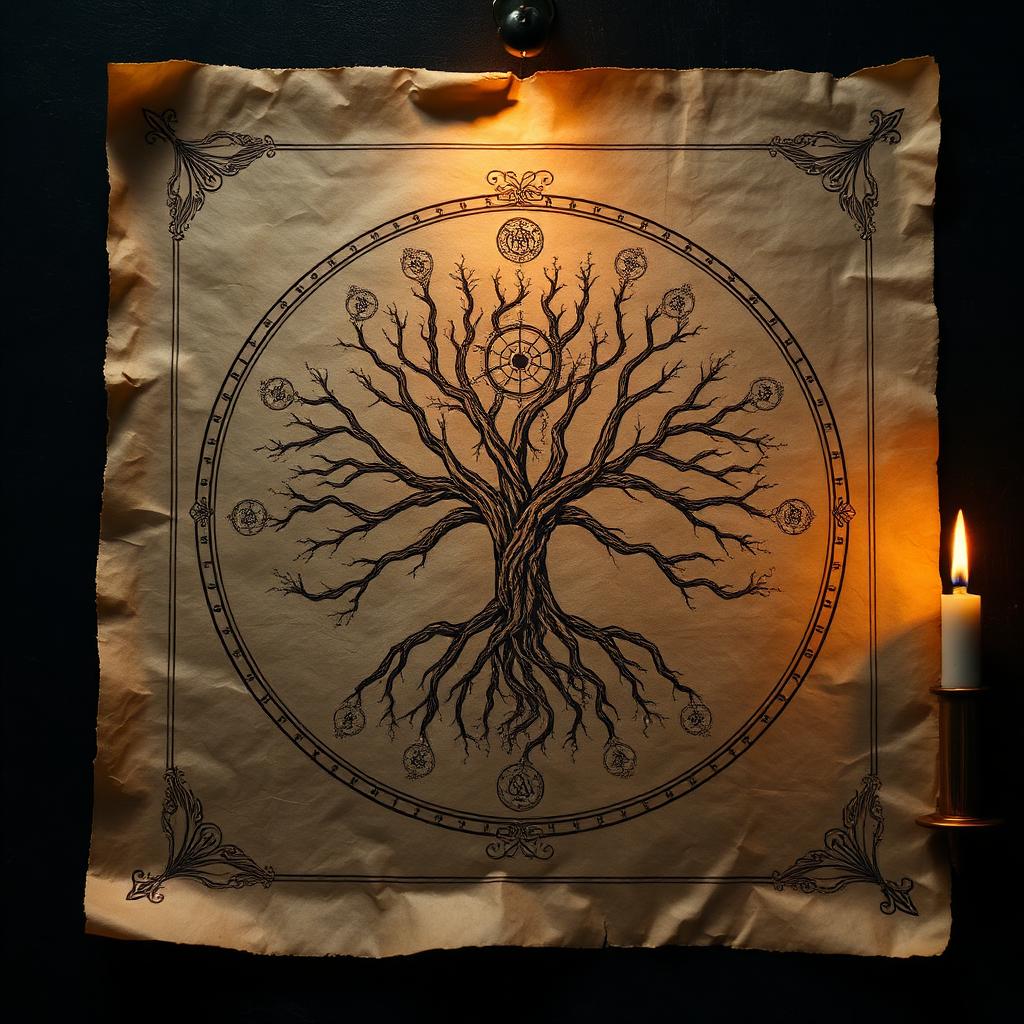
The mystical map of the Tree of Life and the ten sefirot, a lens for the soul's journey.
- Curated companion
- Shared needs: meaning
- Same region (Middle East)

One of the oldest monotheisms, good thoughts, good words, good deeds as daily healing.
- Shared needs: ethical grounding, meaning
- Same region (Middle East)

'I am because we are', a Southern African philosophy of communal personhood as healing.
- Shared needs: belonging, meaning
- Similar practices: community

The prophetic and philosophical inheritance of the Inca and pre-Inca peoples of the Andes.
- Shared needs: ethical grounding, meaning
- Similar practices: community

Bhutan's Buddhist-rooted framework putting wellbeing, not GDP, at the center of a nation.
- Shared needs: meaning
- Similar practices: studying, community
- Same tradition type