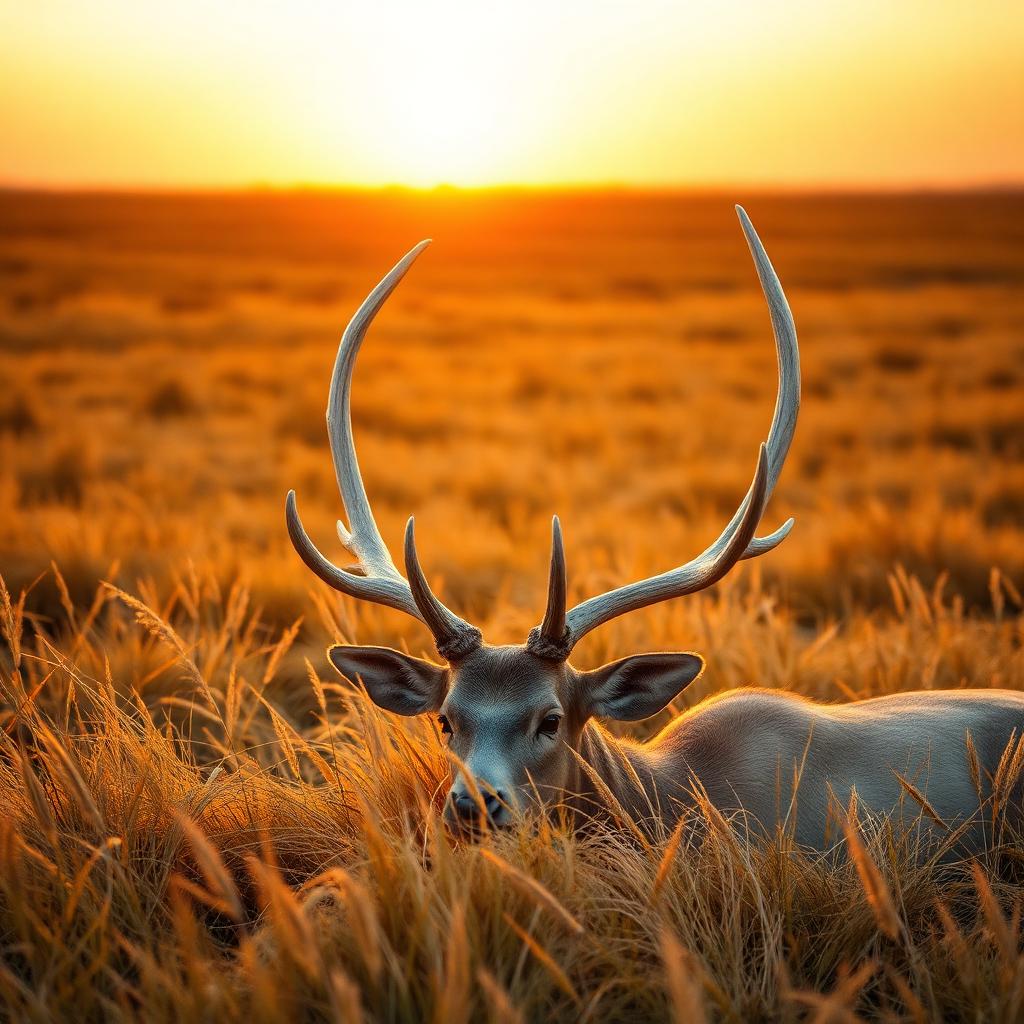
🌳Hungarian Táltos Tradition
Magyar shamans of the steppe, marked at birth, ecstatic journey, and healing song.
The táltos was the shaman-figure of pre-Christian Hungarian (Magyar) culture, marked at birth (born with an extra bone or tooth), trained by other táltosok in ecstatic journey to the World Tree, and serving as healer, dream-interpreter, and community protector. The tradition was suppressed by the Church and the Hungarian state; contemporary Hungarian scholars and neopagans are recovering what they can from folklore.
Lineage: Magyar shamanic tradition, related to Central Asian and Uralic peoples.
Cost depends on practitioner, region, and format.
Estimates only. Many traditions offer sliding-scale, donation, or community access; sacred ceremonies are never for sale.
Distinguishing cultural belief, traditional practice, and evidence-supported effect where applicable.
Psychological
Dream and journey work engage imagination.
Spiritual
Reclaims a specifically Hungarian shamanic inheritance.
Community
Restores a lineage suppressed for centuries.
Areas of possible support, not guarantees or medical claims.
- People of Hungarian descent
- Those studying Central Asian shamanism
- Working with the World Tree (életfa) as inner map
- Dream journaling
- Learning Hungarian folk songs (népdal)
What to know before exploring
Traditional practice
This is a living tradition carried through lineage and community. Its value is documented through generations of practitioners rather than clinical trials. Absence of Western studies is not absence of wisdom.
- Trance, possession, and altered states. Drumming, dance, and possession-based ceremonies can open non-ordinary states that feel profound but may be destabilizing for people with a personal or family history of psychosis, bipolar, dissociation, or acute trauma. Go slowly and honestly, with trustworthy support.
- Cultural appropriation and closed practices. Elements of this tradition may be reserved for initiated practitioners or community members. Approach as a respectful learner, not a consumer, and never present the practice as your own.
- Heart, blood pressure, and stroke history. Intense heat, cold, breath, or exertion can strain the cardiovascular system. If you have a heart condition, uncontrolled blood pressure, arrhythmia, a pacemaker, prior stroke, or take cardiac medication, check in with your physician before participating.
- Psychosis, bipolar I, or dissociative history (extra pause recommended). If you or a close family member has a history of psychosis, schizophrenia, bipolar I, dissociative disorders, or are in an acute mental health episode, please be extra gentle. Psychedelic, trance, and intense inner-work practices are best avoided unless you are working closely with a psychiatrist who understands this territory.
- Active PTSD or unprocessed severe trauma. Immersive, ceremonial, and altered-state work can surface traumatic memories without warning. If you are living with active PTSD, build a relationship with a trauma-informed licensed clinician first, and choose practitioners trained to hold trauma responses gently.
This information is shared as general education, not medical advice. The safest path is to share your full health story and current medications with both the practitioner and your regular healthcare provider before beginning something new.
What in me was marked as strange in childhood that might have been call?
Which tree, real or inner, holds my story?
Traditions that share needs, practices, or cultural context with this one. Explore with respect for each lineage's origins.
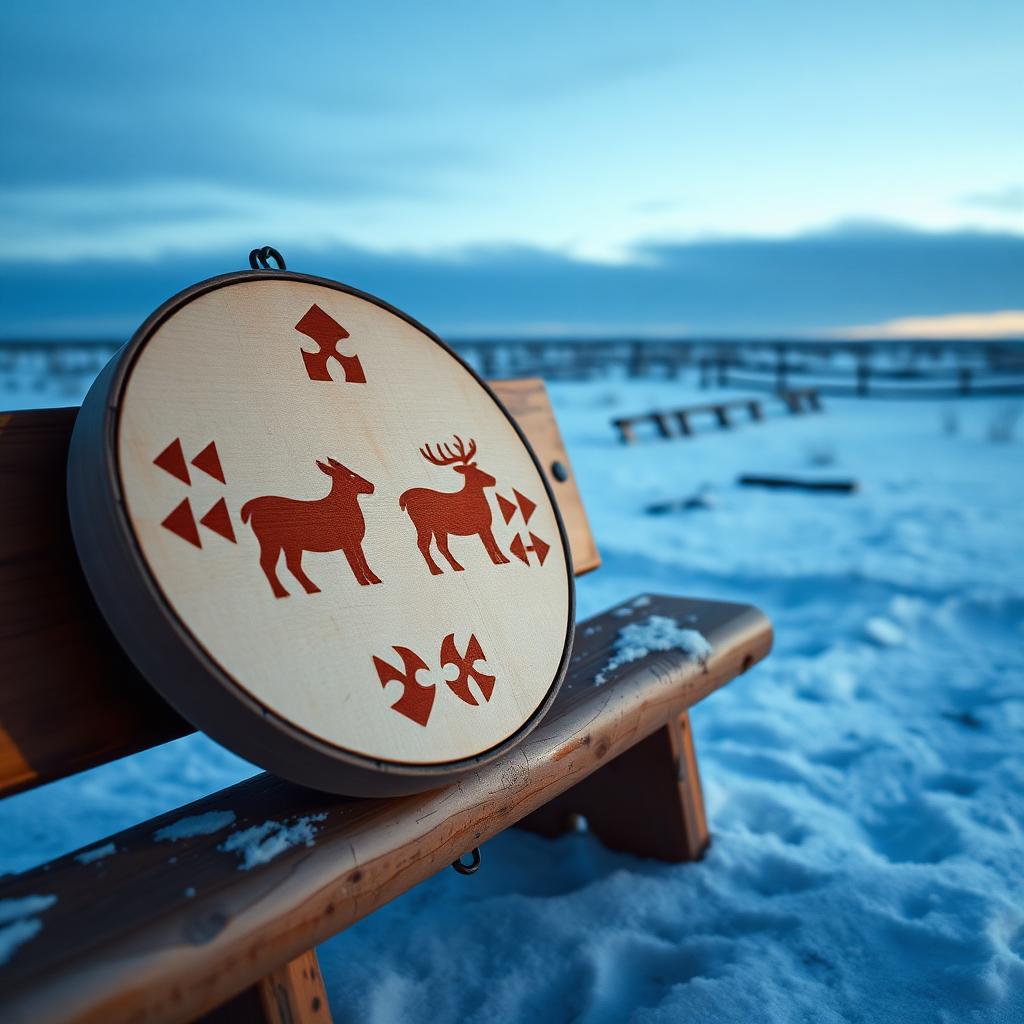
The Indigenous drum-song, joik, and healing of the Sámi people of Sápmi (Arctic Europe).
- Curated companion
- Shared needs: ancestral healing, meaning
- Similar practices: learning
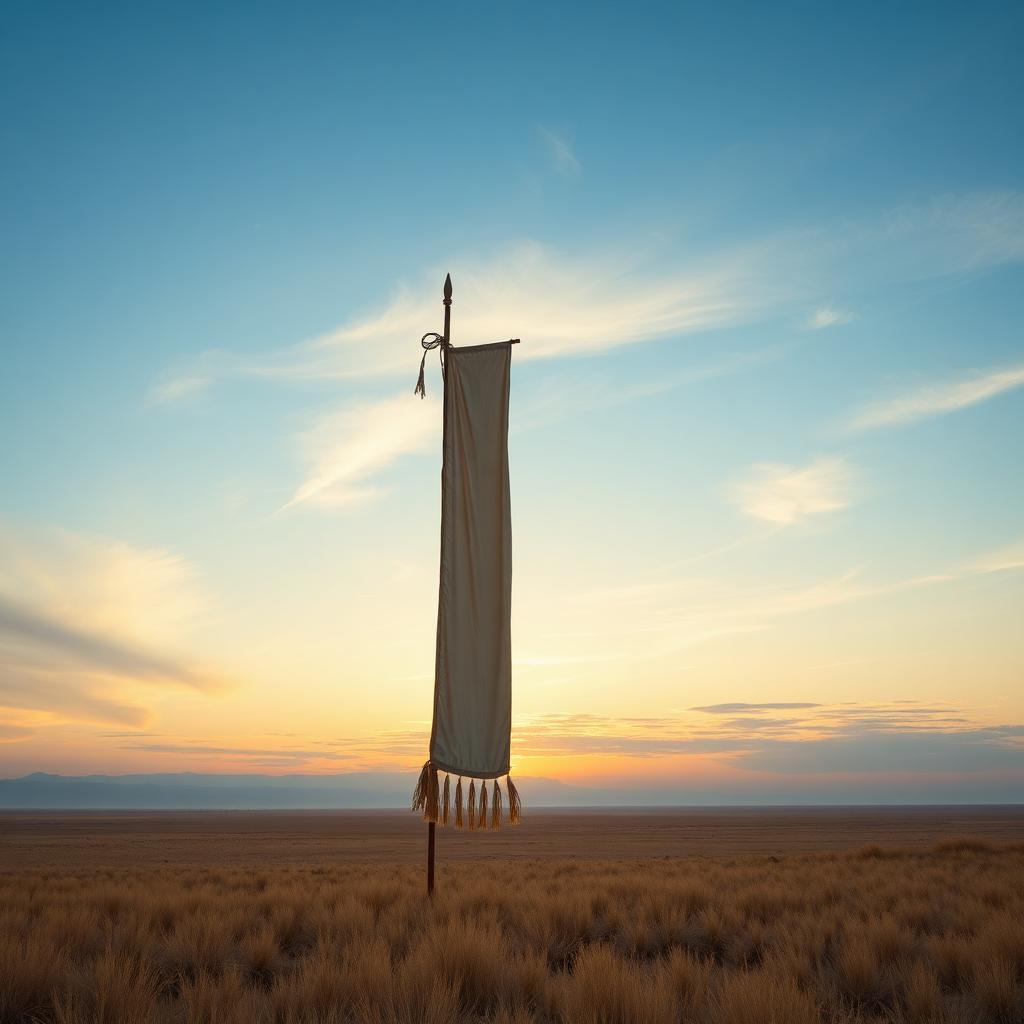
The steppe tradition of drum, spirit-journey, and the eternal blue sky (Tengri).
- Curated companion
- Shared needs: ancestral healing
- Similar practices: learning
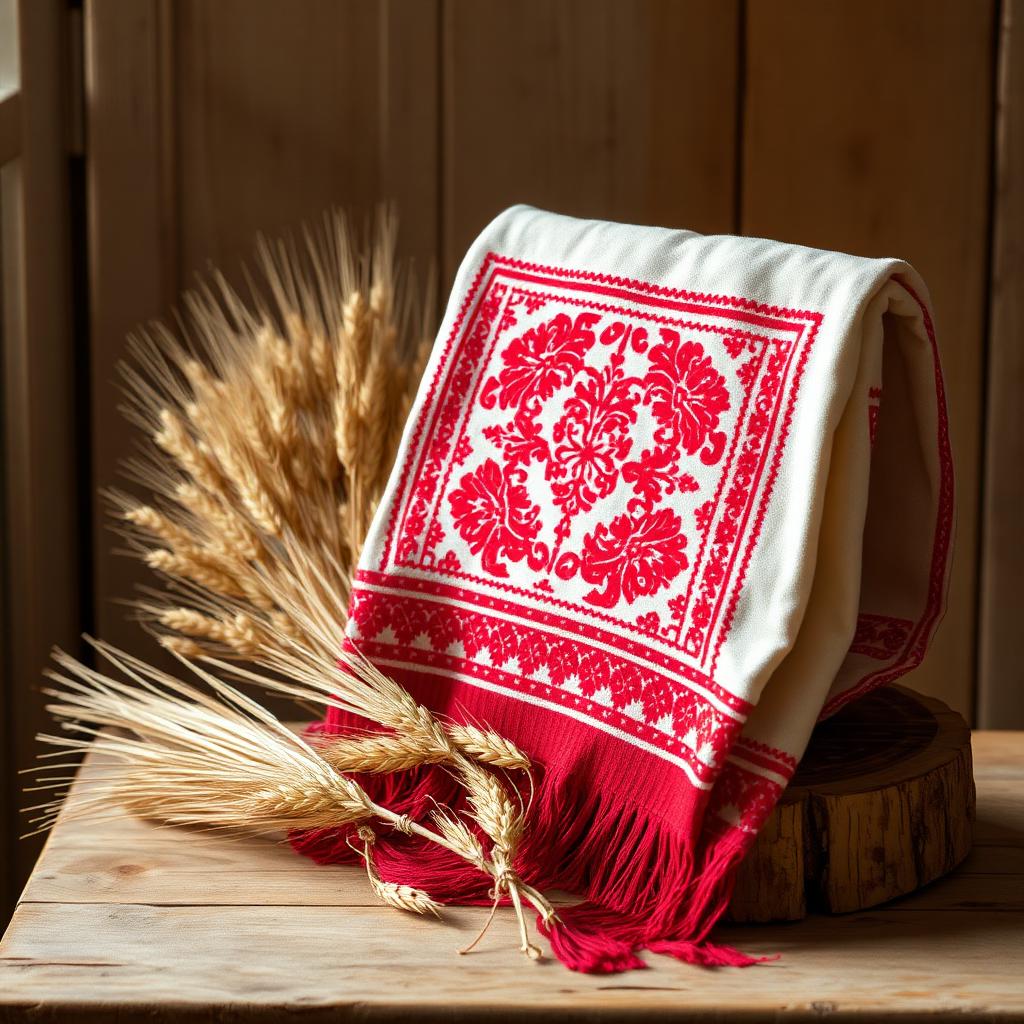
The villages, baths, and whispered charms of Russian, Ukrainian, and Polish znakharki.
- Curated companion
- Similar practices: learning
- Same region (Europe)
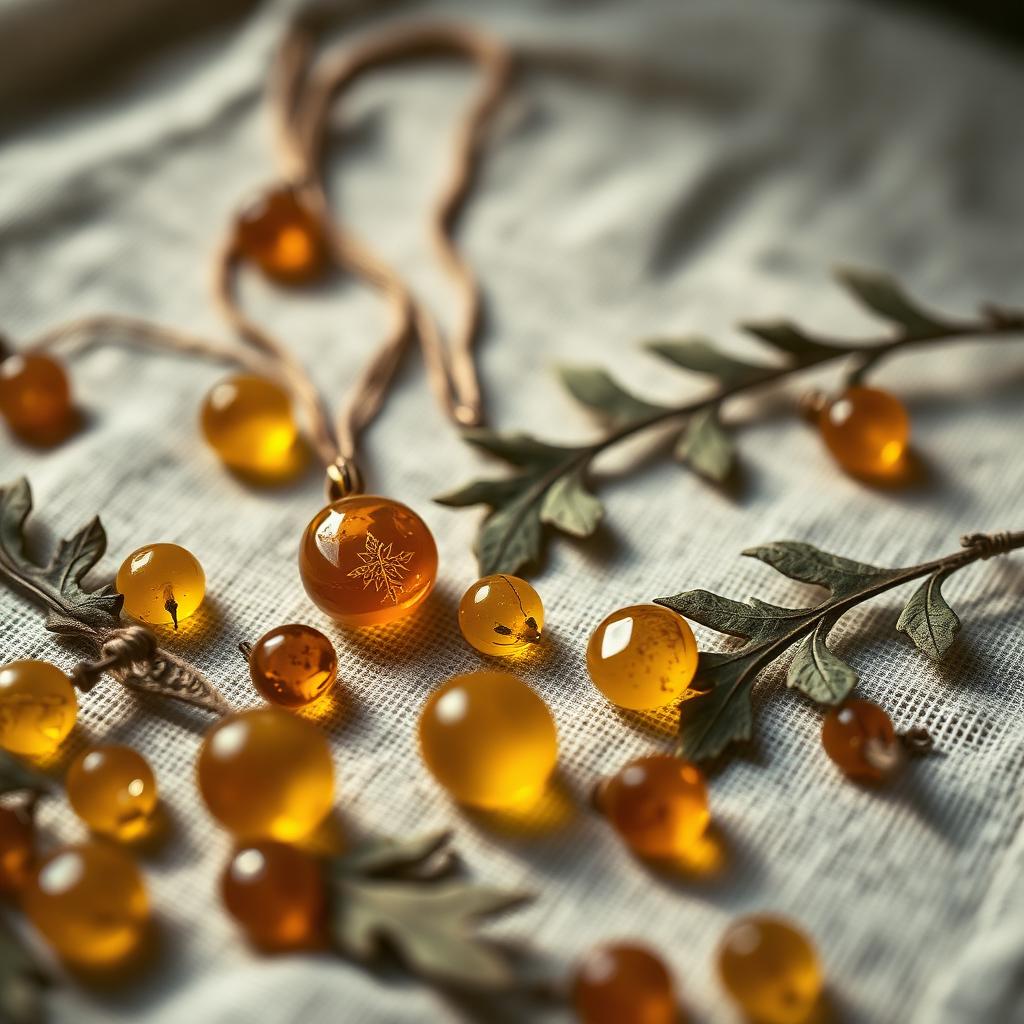
Lithuanian and Latvian nature spirituality, sacred groves, songs (dainas), and seasonal fires.
- Shared needs: ancestral healing, meaning
- Similar practices: learning, working
- Same region (Europe)
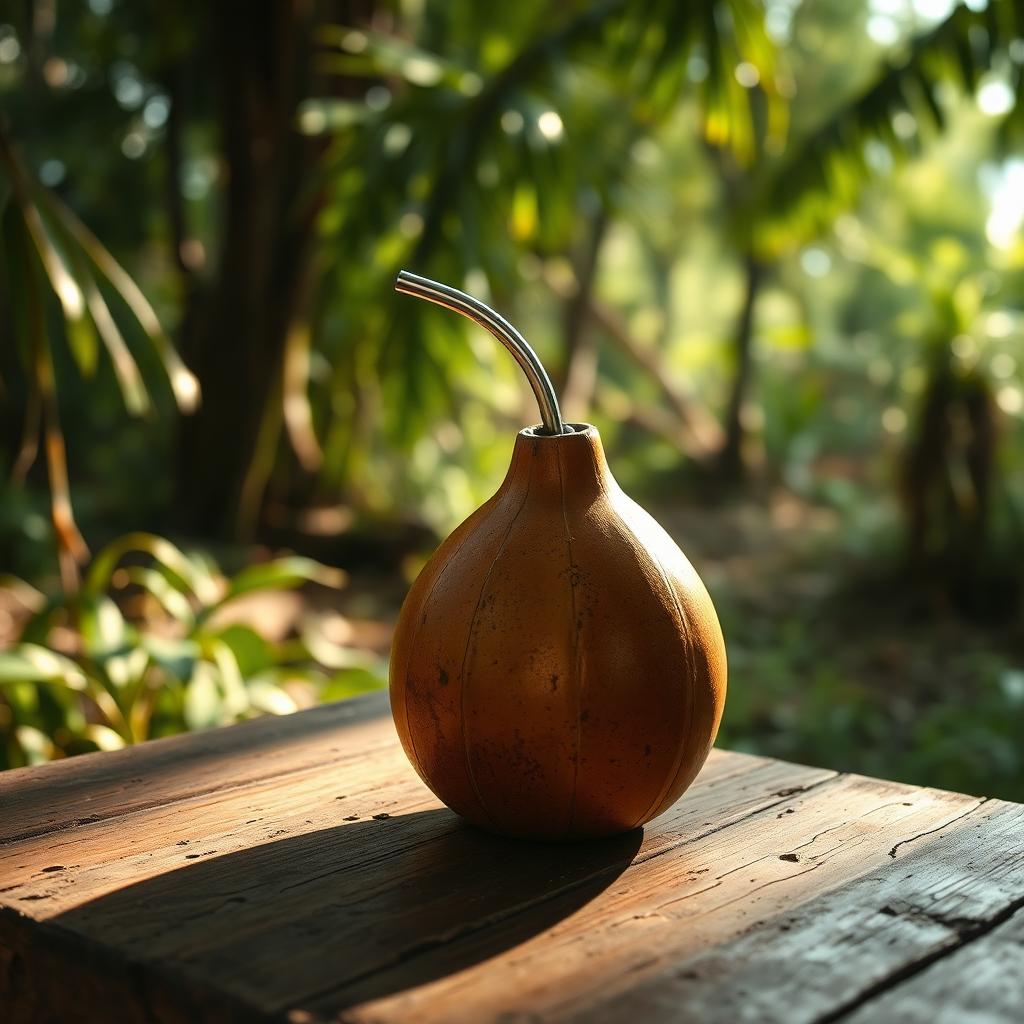
The Guaraní people of Paraguay and Brazil, karai (elder), song, and the good land (yvy marã ey).
- Shared needs: ancestral healing, meaning
- Similar practices: learning
- Same tradition type
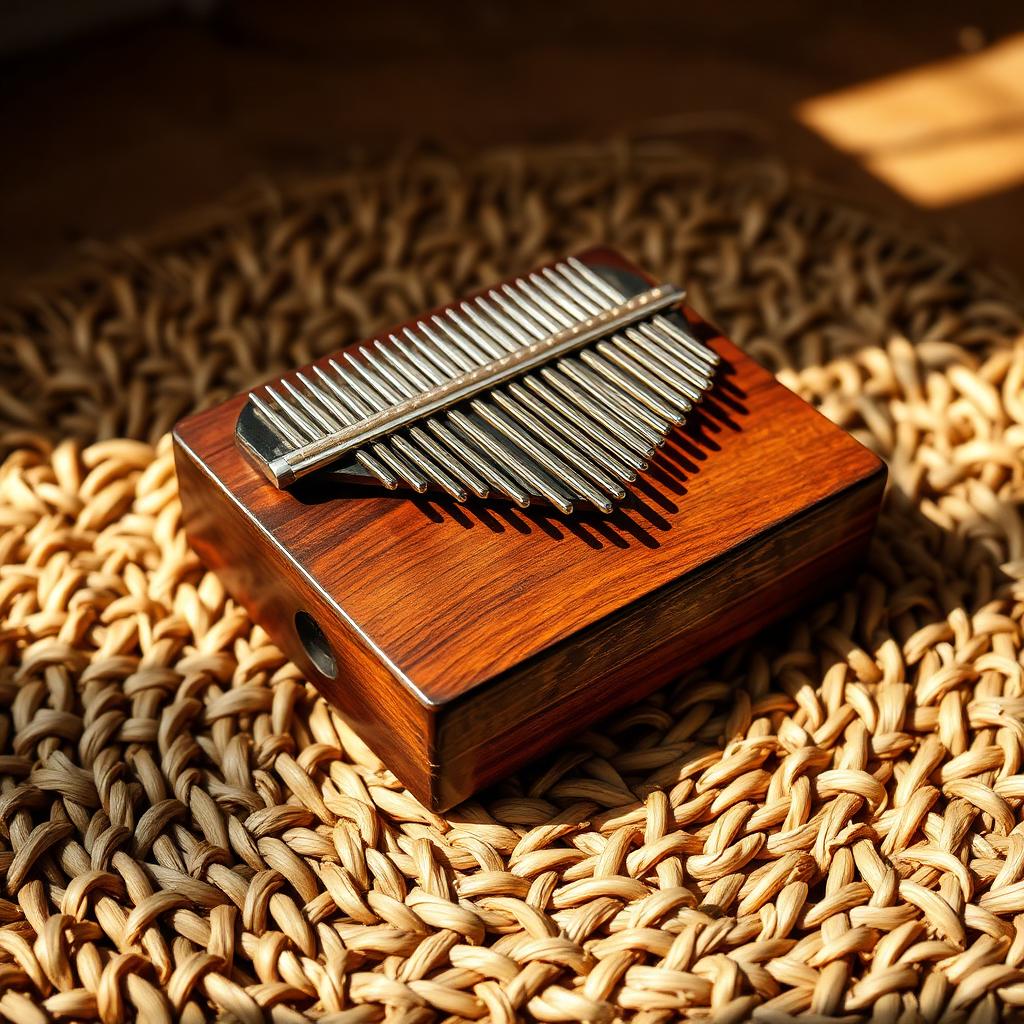
The medicine of Zimbabwe's Shona people, mbira music, ancestor spirits (vadzimu), and herb.
- Shared needs: ancestral healing, meaning
- Same tradition type