🌲Baltic Pagan Traditions
Lithuanian and Latvian nature spirituality, sacred groves, songs (dainas), and seasonal fires.
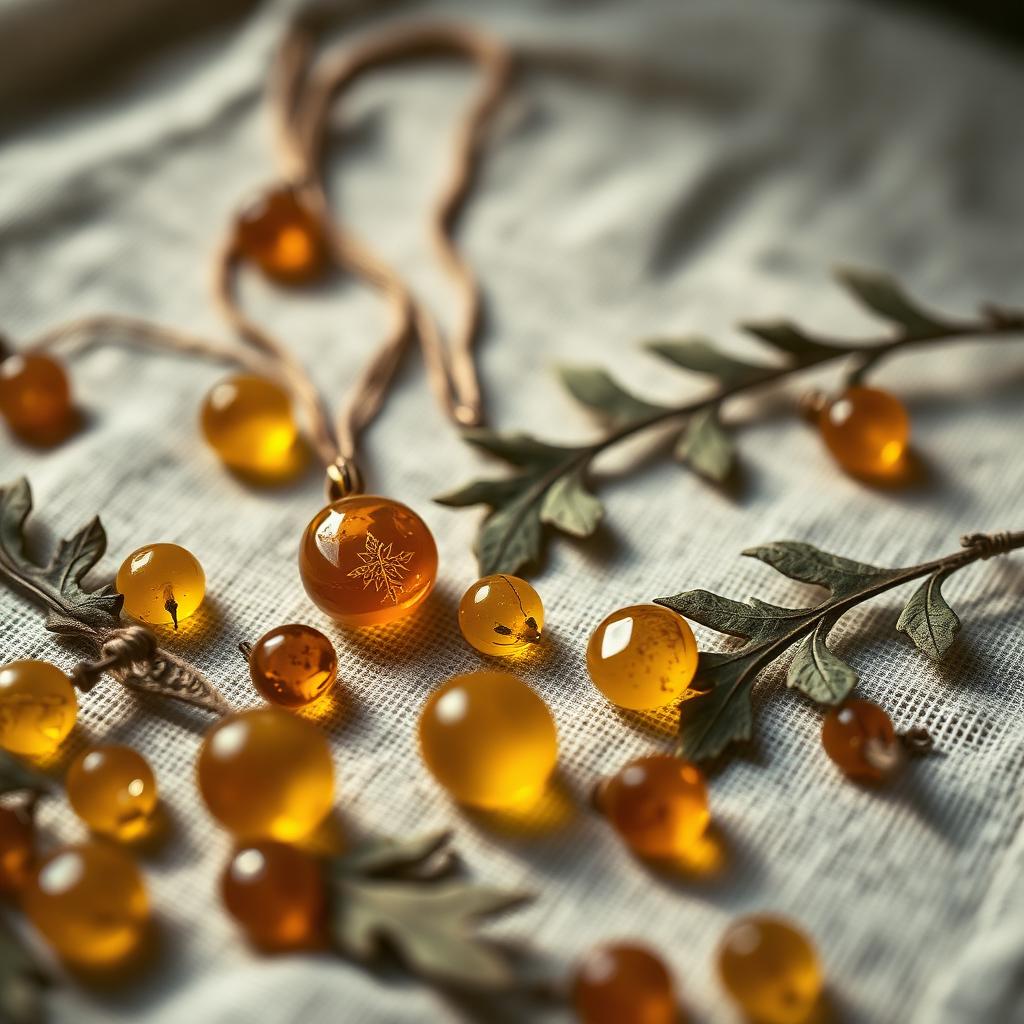
The Baltic peoples (Lithuanians and Latvians) held out against Christianization longer than any other Europeans, formally converting only in the 14th to 15th centuries. Their pre-Christian nature spirituality (Romuva in Lithuania, Dievturība in Latvia) centers on sacred groves, seasonal fires, ancestor honor, and the extraordinary body of folk songs called dainos or dainas (there are over 1.4 million recorded Latvian dainas).
Lineage: Lithuanian and Latvian oral tradition; Krivule (Lithuanian priesthood) revived.
Cost depends on practitioner, region, and format.
Estimates only. Many traditions offer sliding-scale, donation, or community access; sacred ceremonies are never for sale.
Distinguishing cultural belief, traditional practice, and evidence-supported effect where applicable.
Psychological
The sacred grove is a physical place of return.
Spiritual
The dainas function as short prayers and philosophical poems.
Community
Seasonal festivals (Jāņi, Rasos) hold the community around fire and song.
Areas of possible support, not guarantees or medical claims.
- People of Baltic descent
- Those drawn to nature spirituality with intact tradition
- Learning and singing dainas
- Celebrating Jāņi or Rasos at midsummer
- Time in a sacred grove or oak stand
- Working with fire on solstices and equinoxes
What to know before exploring
Traditional practice
This is a living tradition carried through lineage and community. Its value is documented through generations of practitioners rather than clinical trials. Absence of Western studies is not absence of wisdom.
- Trance, possession, and altered states. Drumming, dance, and possession-based ceremonies can open non-ordinary states that feel profound but may be destabilizing for people with a personal or family history of psychosis, bipolar, dissociation, or acute trauma. Go slowly and honestly, with trustworthy support.
- Cultural appropriation and closed practices. Elements of this tradition may be reserved for initiated practitioners or community members. Approach as a respectful learner, not a consumer, and never present the practice as your own.
- Active PTSD or unprocessed severe trauma. Immersive, ceremonial, and altered-state work can surface traumatic memories without warning. If you are living with active PTSD, build a relationship with a trauma-informed licensed clinician first, and choose practitioners trained to hold trauma responses gently.
This information is shared as general education, not medical advice. The safest path is to share your full health story and current medications with both the practitioner and your regular healthcare provider before beginning something new.
What song would my grandmother have sung on the shortest night?
Which tree do I want to celebrate midsummer with?
Traditions that share needs, practices, or cultural context with this one. Explore with respect for each lineage's origins.
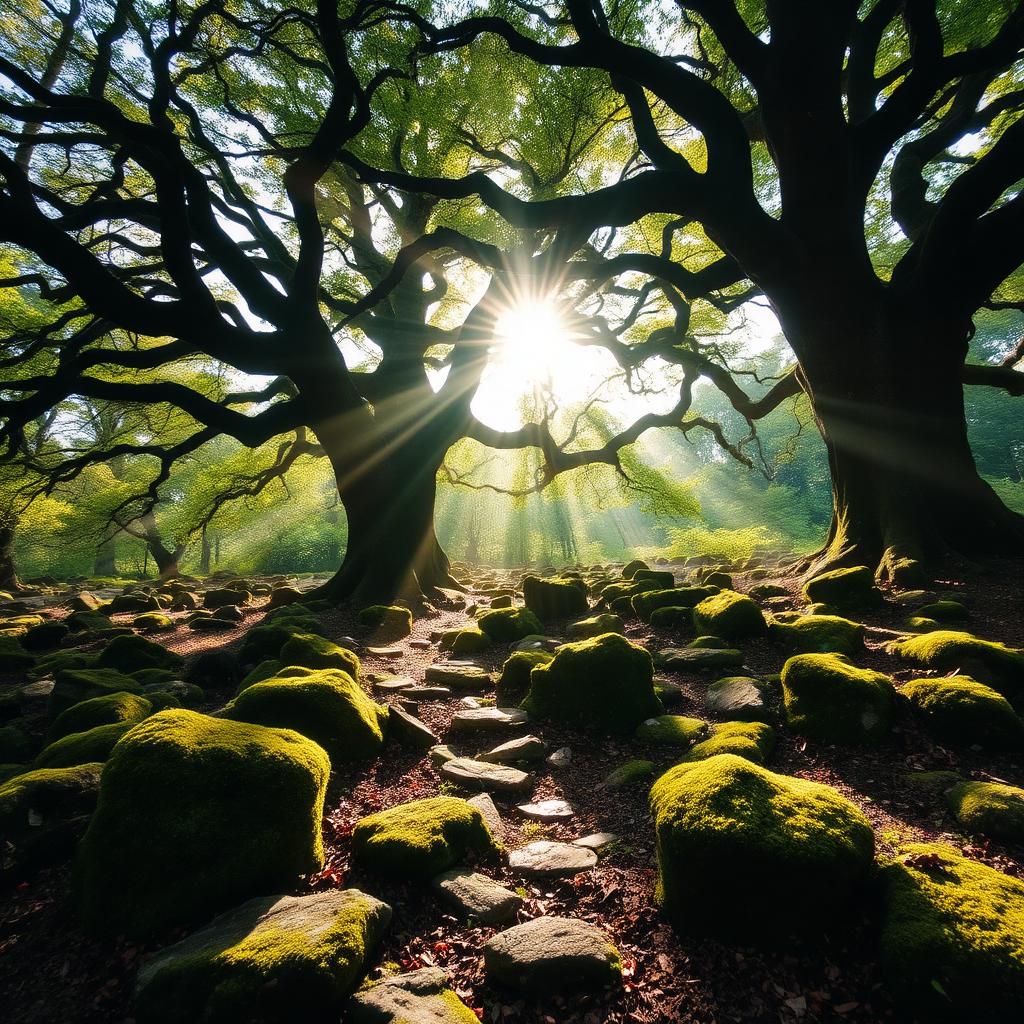
The learned philosophers, poets, and ritualists of pre-Christian Celtic Europe.
- Curated companion
- Shared needs: meaning, seasonal rhythm
- Similar practices: celebrating, learning, time
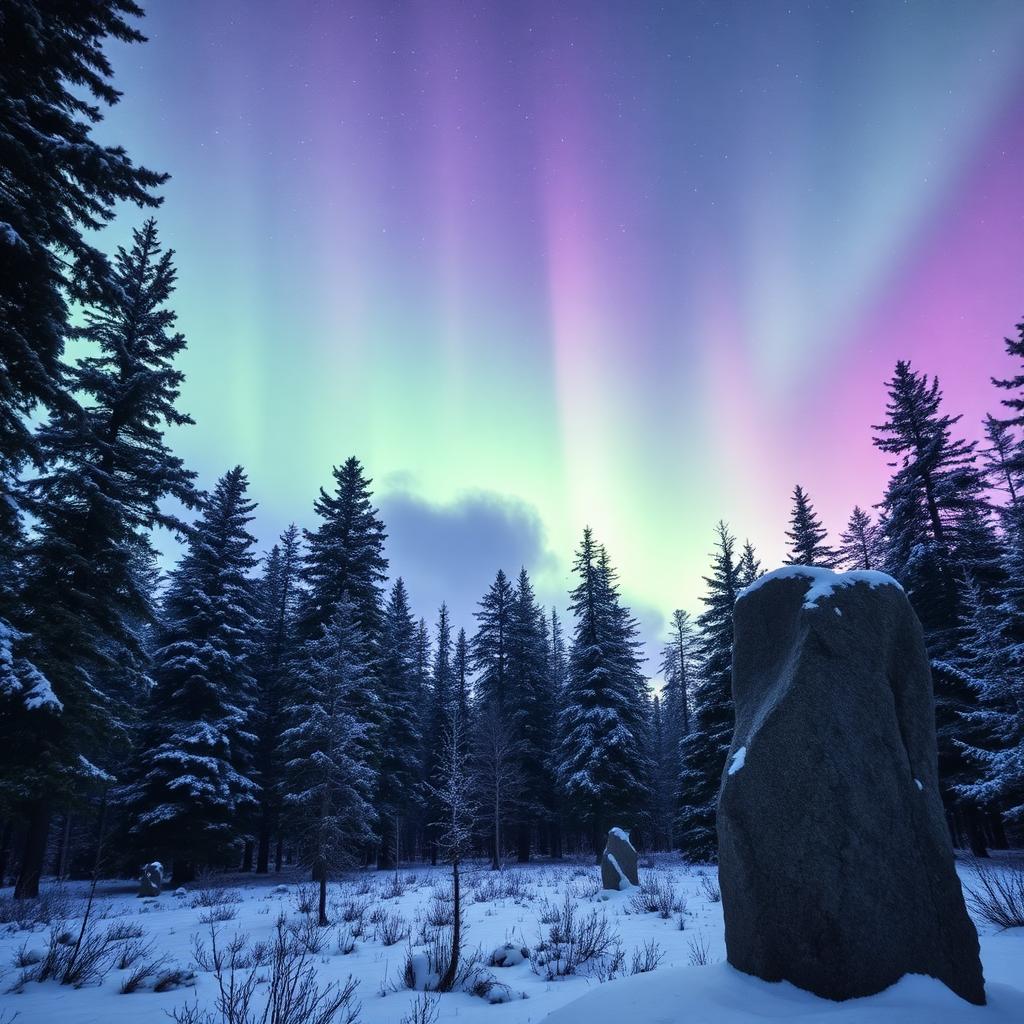
Scandinavian folk medicine, runic wisdom, and the seasonal severity of the North.
- Curated companion
- Similar practices: working
- Same region (Europe)
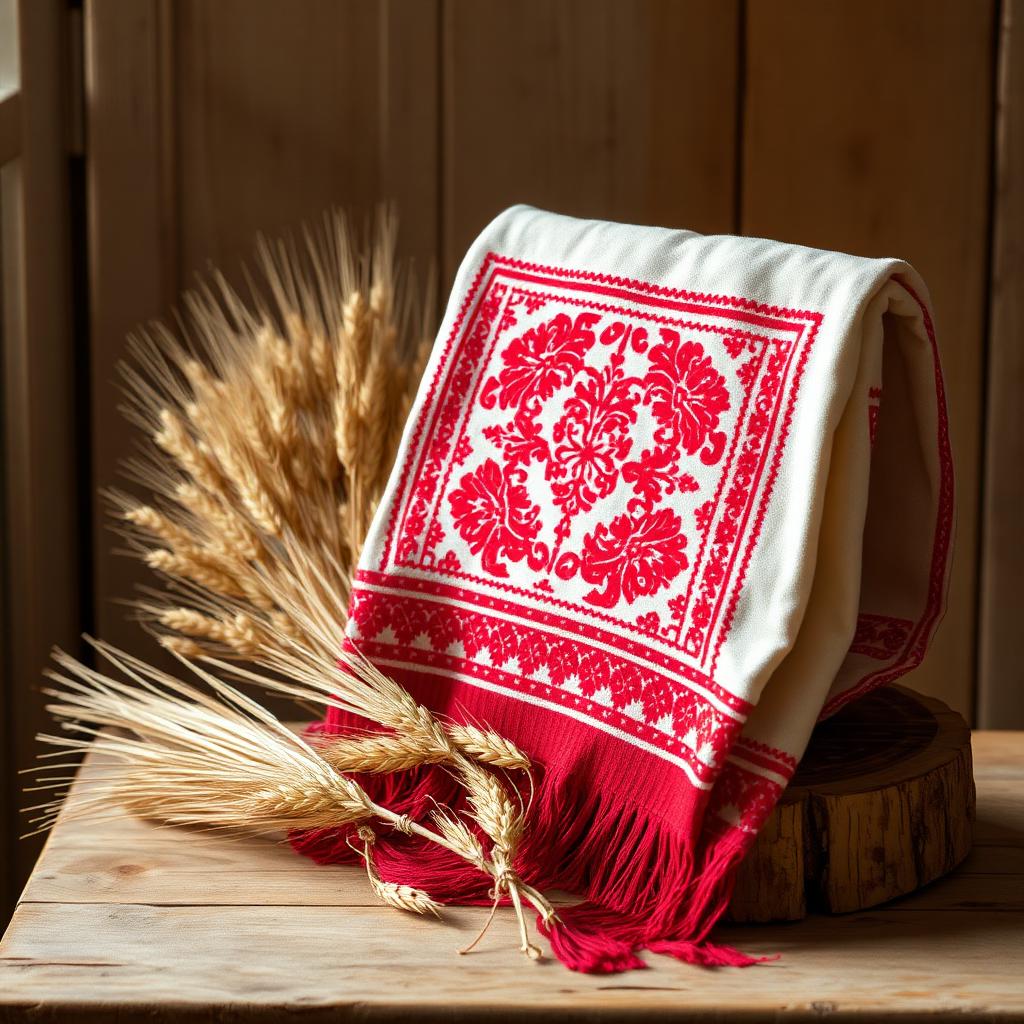
The villages, baths, and whispered charms of Russian, Ukrainian, and Polish znakharki.
- Curated companion
- Similar practices: learning
- Same region (Europe)
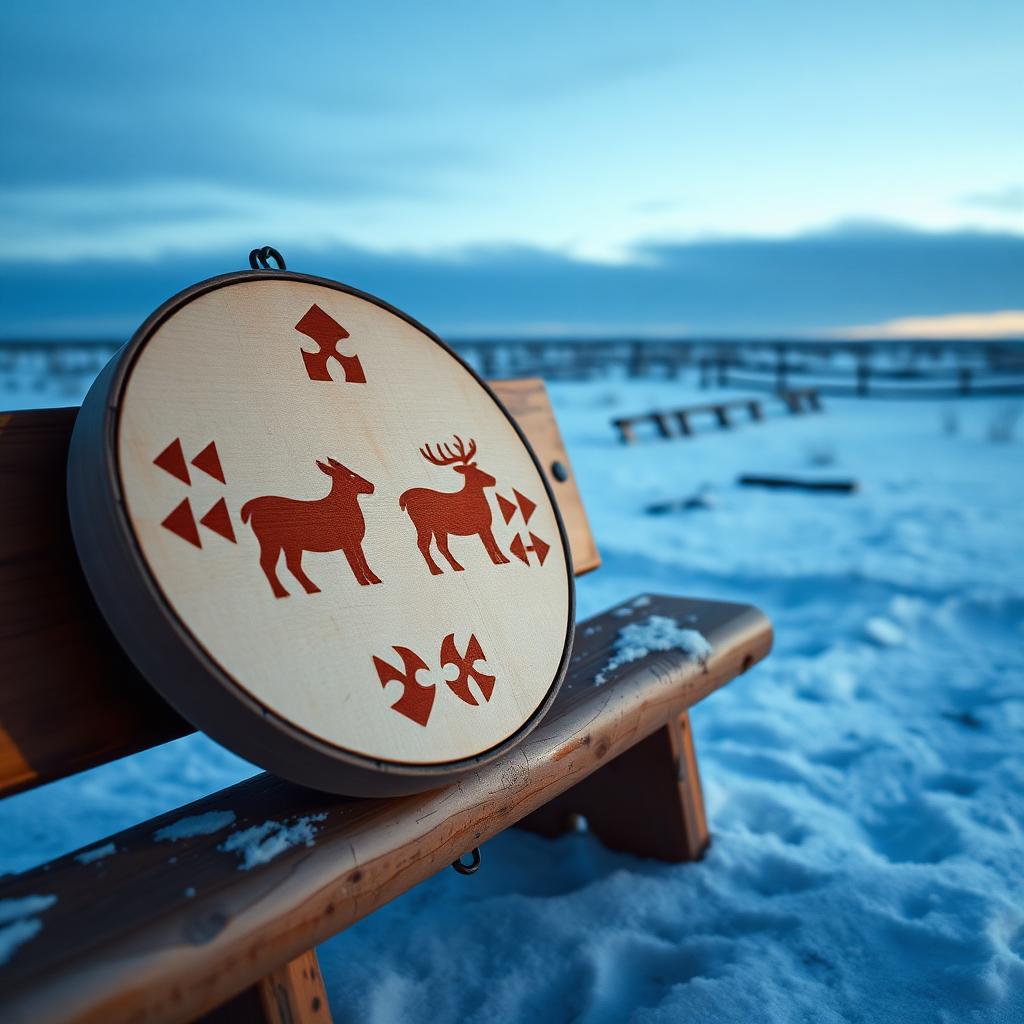
The Indigenous drum-song, joik, and healing of the Sámi people of Sápmi (Arctic Europe).
- Shared needs: land relationship, ancestral healing, meaning
- Similar practices: learning, time
- Same region (Europe)
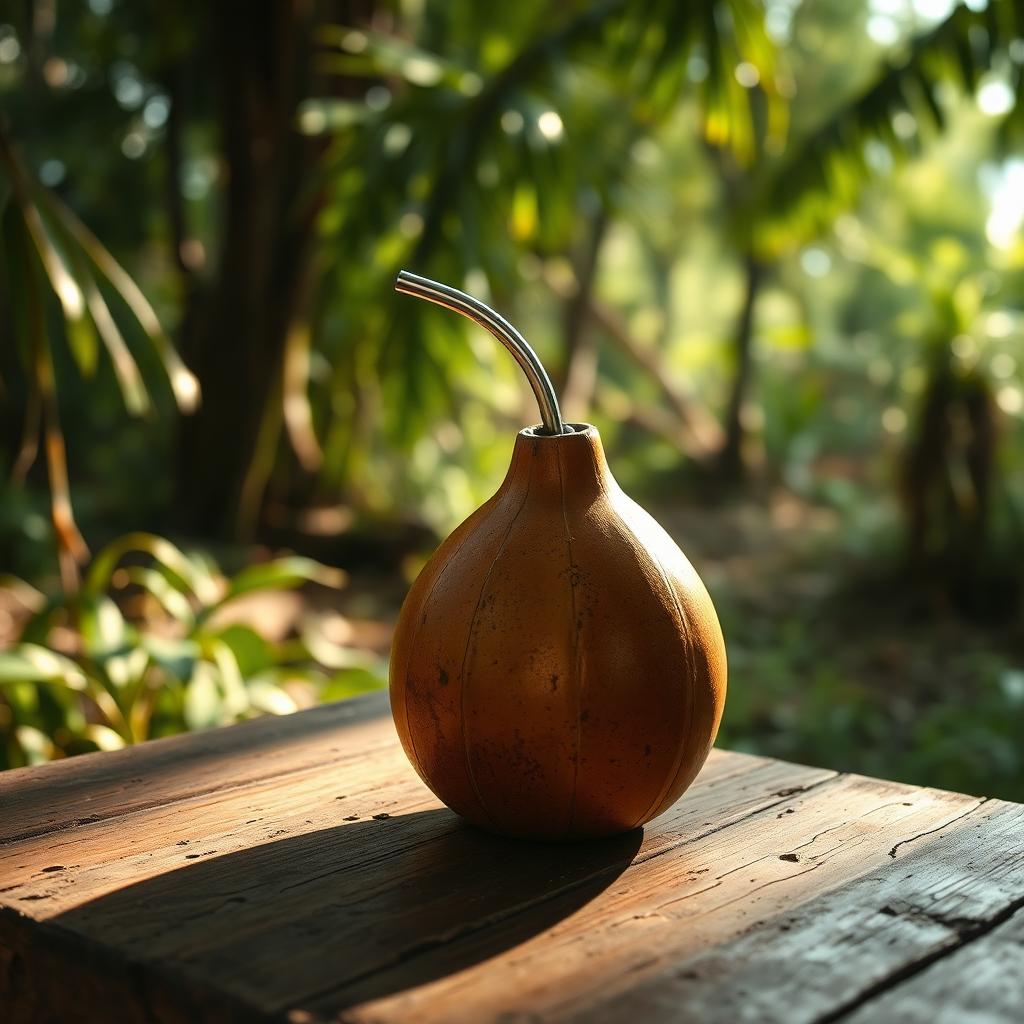
The Guaraní people of Paraguay and Brazil, karai (elder), song, and the good land (yvy marã ey).
- Shared needs: ancestral healing, meaning, land relationship
- Similar practices: learning, sacred
- Same tradition type

Magyar shamans of the steppe, marked at birth, ecstatic journey, and healing song.
- Shared needs: ancestral healing, meaning
- Similar practices: working, learning
- Same region (Europe)