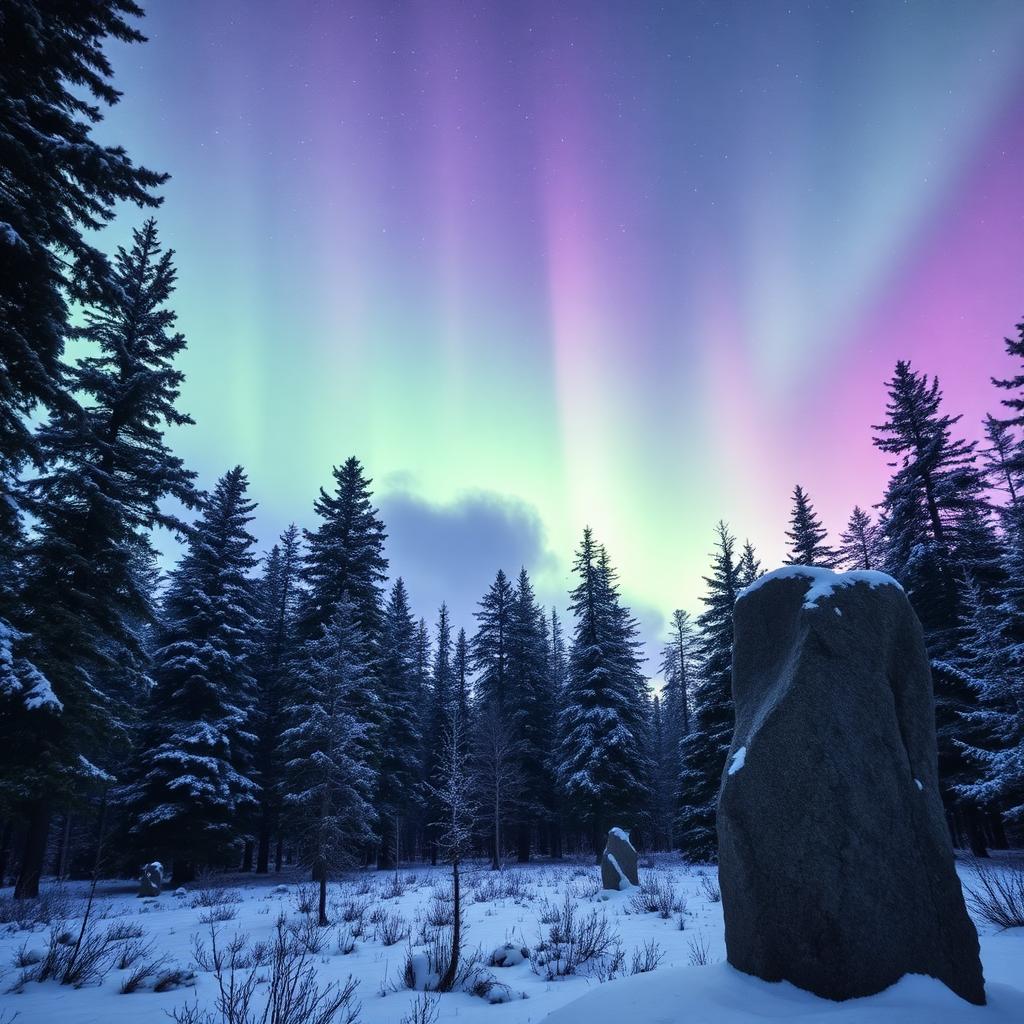
❄️Nordic Healing
Scandinavian folk medicine, runic wisdom, and the seasonal severity of the North.
Imagery evoking Nordic Healing, Scandinavian folk medicine, runic wisdom, and the seasonal severity of the North.
Symbolic imagery, generated with respect. No sacred ceremony or living person depicted.
Nordic (Scandinavian) folk healing weaves runic wisdom, plant medicine of the boreal forests, sauna, seiðr (a Norse divinatory and magical tradition), and the seasonal severity of the North. Contemporary Nordic countries hold some of the world's highest well-being scores while also facing serious winter depression; the tradition addresses both the fullness of summer and the darkness of polar night.
Lineage: Village healers and modern revival practitioners.
Herbal / sauna traditions; classes $30, $200.
Estimates only. Many traditions offer sliding-scale, donation, or community access; sacred ceremonies are never for sale.
Distinguishing cultural belief, traditional practice, and evidence-supported effect where applicable.
Spiritual
The runes and seasonal festivals orient the year.
Community
Winter is met together, with candles, food, and story.
Nervous system
Sauna and cold plunge cycle regulates the vagus nerve.
Areas of possible support, not guarantees or medical claims.
- People of Nordic descent
- Anyone struggling with winter
- Weekly sauna with cold plunge
- Candle lighting through the dark months
- Working with a rune a week
- Nettle and lingonberry as daily plants
What to know before exploring
Traditional practice
This is a living tradition carried through lineage and community. Its value is documented through generations of practitioners rather than clinical trials. Absence of Western studies is not absence of wisdom.
- Psychoactive plant or substance use. Some traditions include plants or brews that can alter consciousness, such as ayahuasca, peyote, iboga, kambo, psilocybin, cannabis, or datura. These can interact with medications (especially SSRIs and MAOIs), heart conditions, and other prescriptions, and may bring up strong physical or emotional responses. This is a space for extra care, preparation, and trained guidance.
- Intense heat, cold, or altitude. Sweat lodges, saunas, banyas, hammams, cold plunges, and high-altitude ceremonies can be clarifying, but they also place real strain on the heart, blood pressure, and thermoregulation. Honor your limits and take breaks; these are not practices to push through.
- Financial and spiritual exploitation risk. Sacred traditions can attract people who charge steep fees or claim exclusive spiritual authority. Trustworthy teachers welcome questions, encourage outside support, and never pressure you to pay for more than you can afford.
- Heart, blood pressure, and stroke history. Intense heat, cold, breath, or exertion can strain the cardiovascular system. If you have a heart condition, uncontrolled blood pressure, arrhythmia, a pacemaker, prior stroke, or take cardiac medication, check in with your physician before participating.
- Pregnancy, breastfeeding, and fertility treatment. Several herbs, essential oils, deep-tissue techniques, extreme temperatures, and intense breath or plant-medicine practices are not recommended during pregnancy, breastfeeding, or IVF cycles. Disclose your status and ask for a practitioner with prenatal training.
- Active PTSD or unprocessed severe trauma. Immersive, ceremonial, and altered-state work can surface traumatic memories without warning. If you are living with active PTSD, build a relationship with a trauma-informed licensed clinician first, and choose practitioners trained to hold trauma responses gently.
This information is shared as general education, not medical advice. The safest path is to share your full health story and current medications with both the practitioner and your regular healthcare provider before beginning something new.
How would my winter feel with a weekly sauna?
What would candles at 3 PM change about my December?
Written in the spirit of this tradition, held as invitations, not instructions. Take what serves your reflection.
What in me has been quietly enduring, and what would it say if it could speak?
Which of the old northern virtues, courage, patience, kinship, do I need most now?
Who is my hearth, the small circle where I finally set my armor down?
Engaging with respect
Norse spiritual symbols have been appropriated by white supremacist groups. Learn from reputable teachers and reject any usage that excludes.
Traditions that share needs, practices, or cultural context with this one. Explore with respect for each lineage's origins.
The steam-bath ritual of hot vapor, birch venik, and cold plunge as weekly reset.
- Curated companion
- Shared needs: rest, winter care
- Similar practices: weekly, cold, plunge
The learned philosophers, poets, and ritualists of pre-Christian Celtic Europe.
- Curated companion
- Shared needs: ancestral connection
- Same region (Europe)
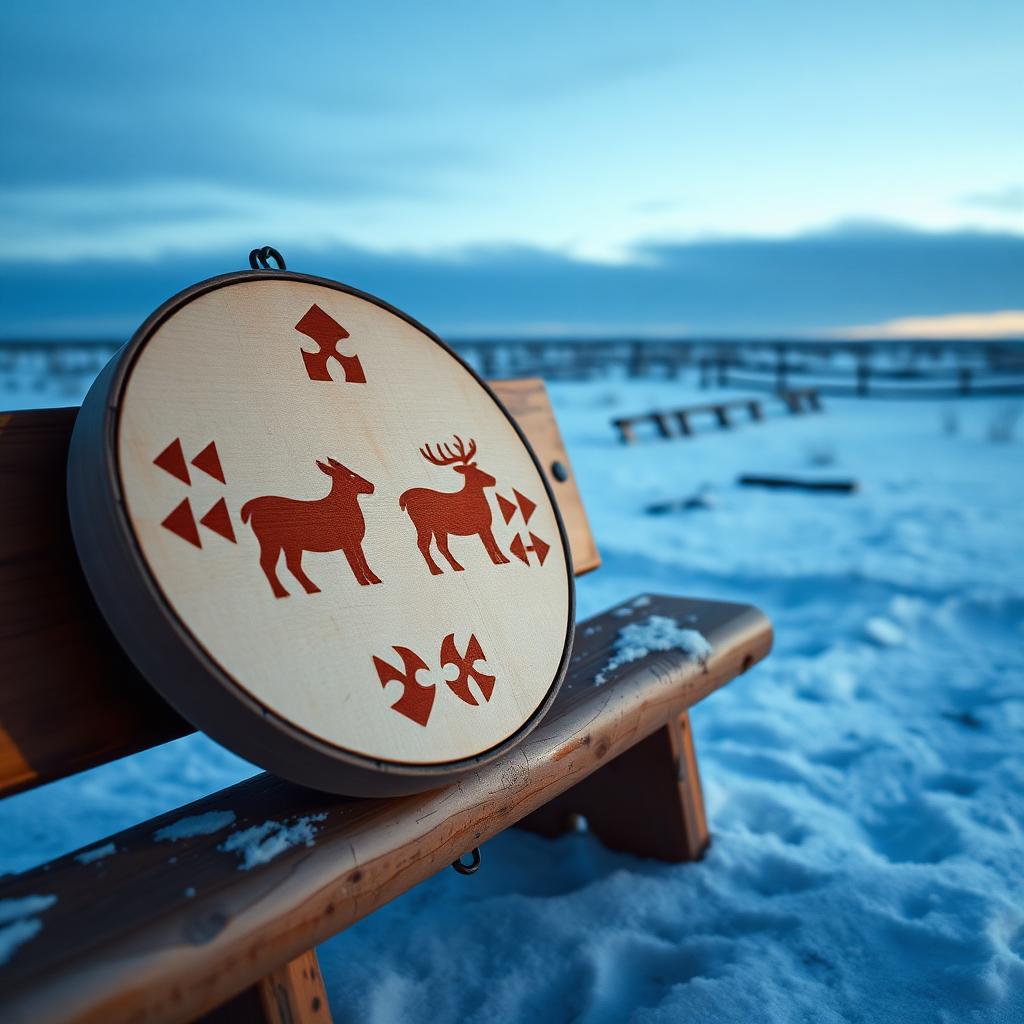
The Indigenous drum-song, joik, and healing of the Sámi people of Sápmi (Arctic Europe).
- Curated companion
- Same region (Europe)
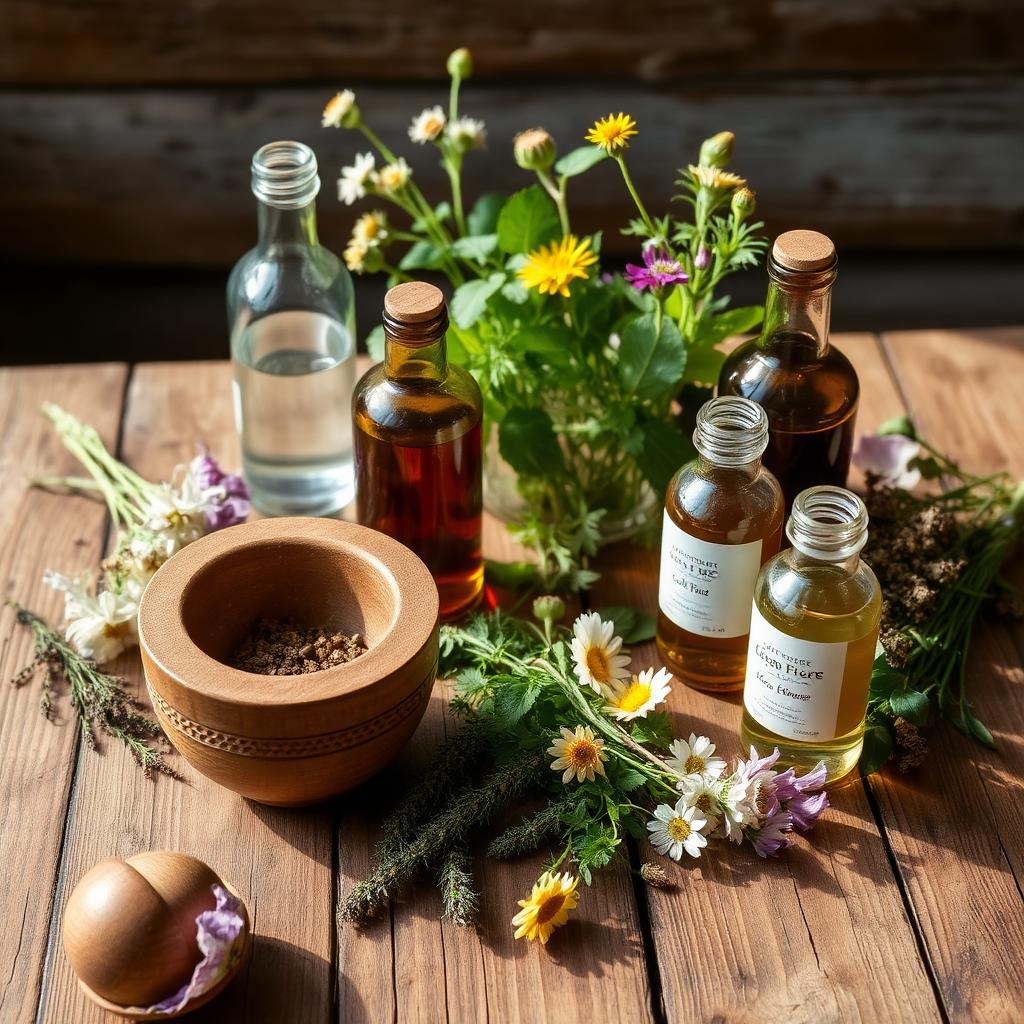
The village-level plant medicine of Europe, passed grandmother to grandchild.
- Shared needs: rest
- Similar practices: daily, nettle
- Same region (Europe)
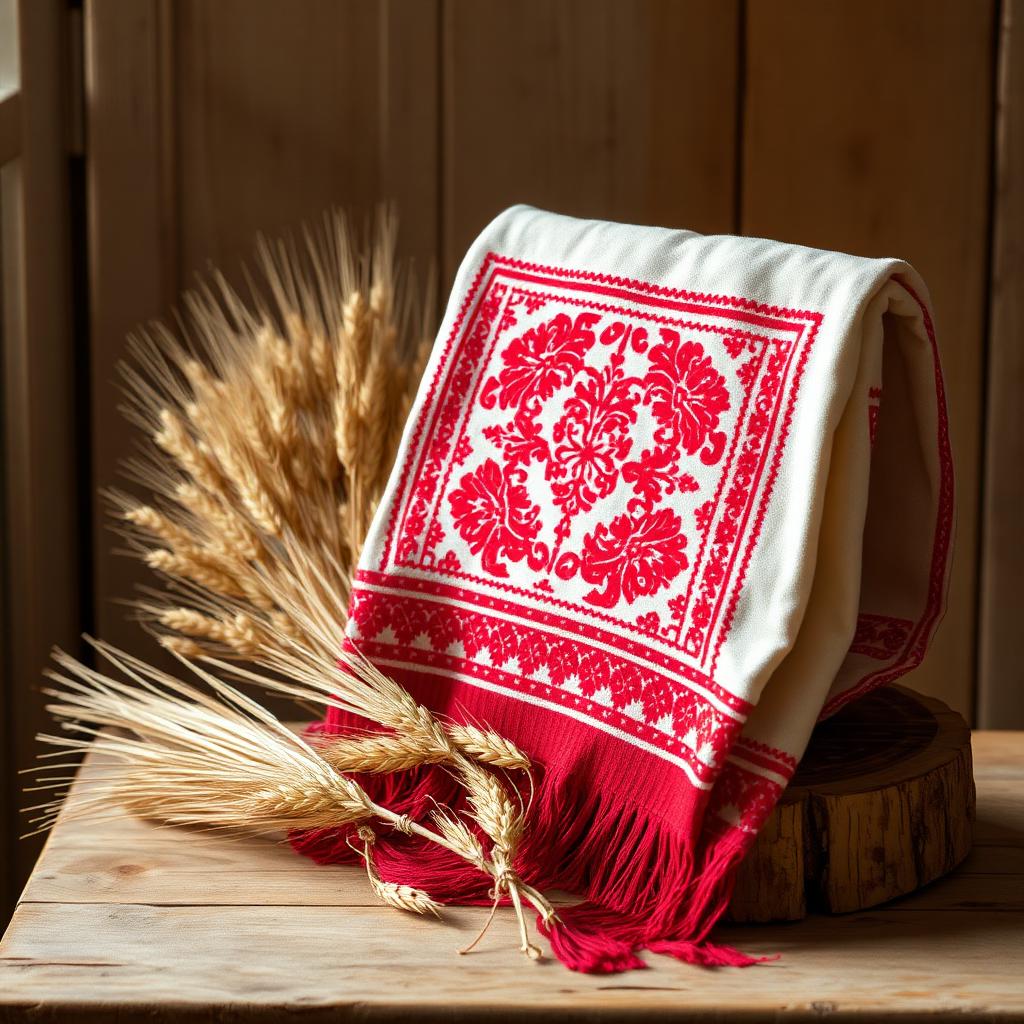
The villages, baths, and whispered charms of Russian, Ukrainian, and Polish znakharki.
- Shared needs: ancestral connection
- Similar practices: plants
- Same region (Europe)
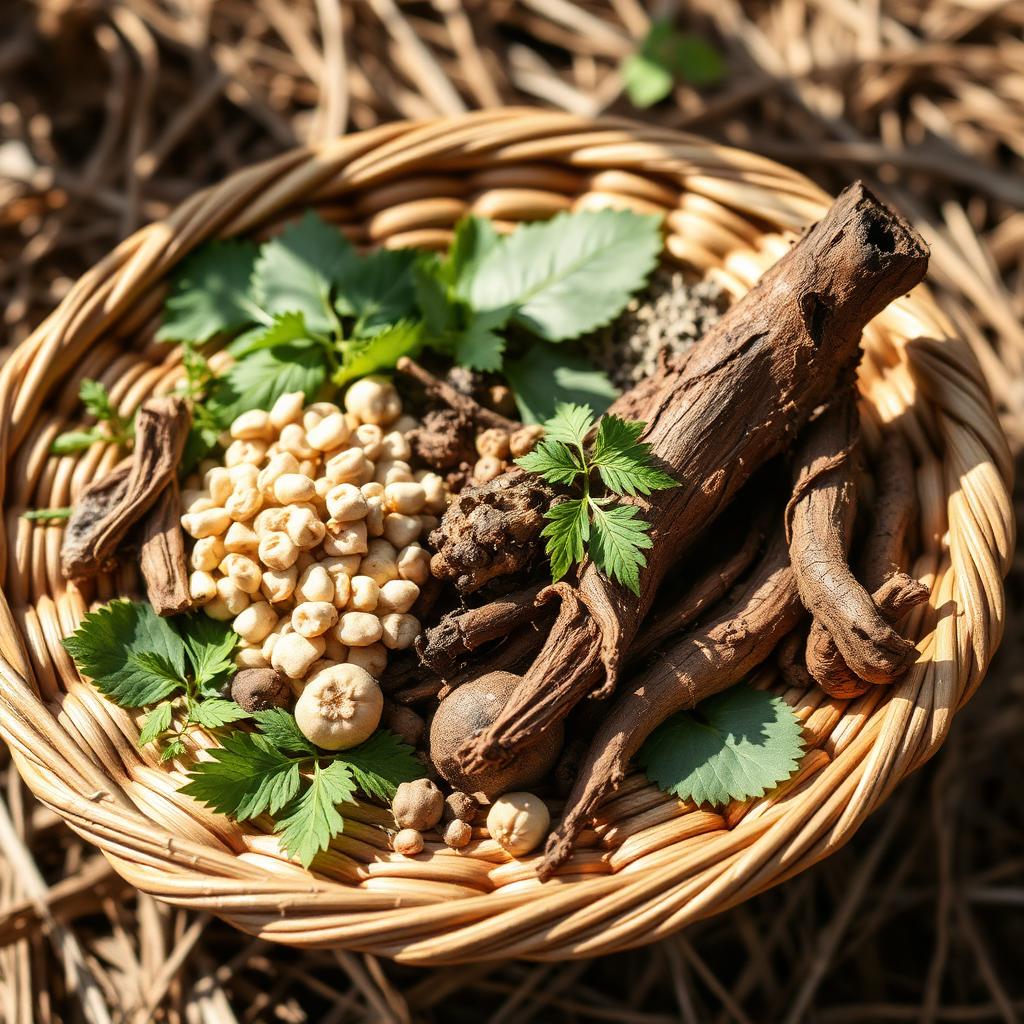
The vast pharmacopeia of plants used across the African continent, many now studied by modern pharmacology.
- Shared needs: rest
- Similar practices: plants
- Same tradition type