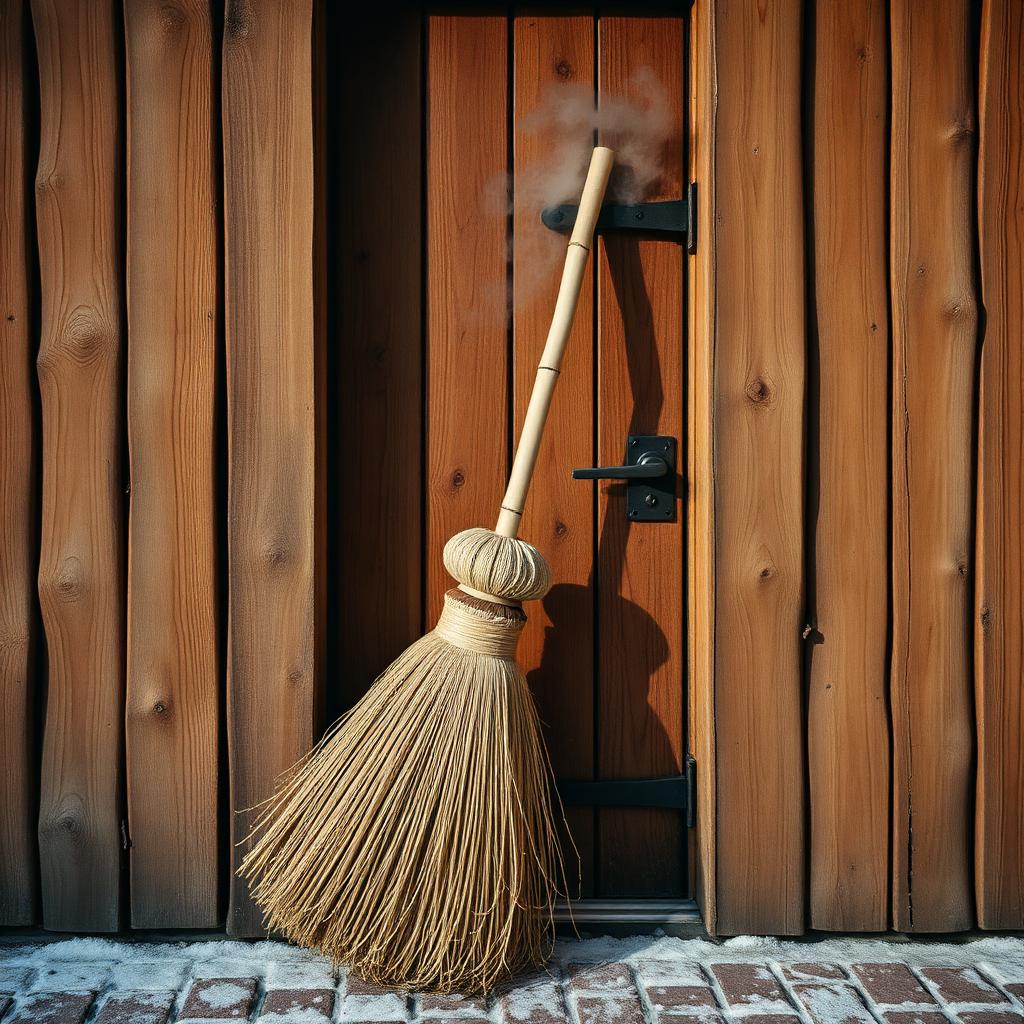
🔥Russian Banya
The steam-bath ritual of hot vapor, birch venik, and cold plunge as weekly reset.
The Russian banya is a steam bath tradition combining intense heat (often 80-100°C), water thrown on hot stones for wet steam, and beating with a bundle of birch or oak leaves (venik) to circulate blood and drop leaf oils onto the skin. Sessions alternate steam with cold plunge or snow. Banya is deeply social, medicinal, and quasi-ritual; families and friends banya together weekly.
Lineage: Russian and East Slavic peoples.
Cost depends on practitioner, region, and format.
Estimates only. Many traditions offer sliding-scale, donation, or community access; sacred ceremonies are never for sale.
Distinguishing cultural belief, traditional practice, and evidence-supported effect where applicable.
Community
Banya is done together, with tea and slow conversation.
Physical
Heat-cold cycling improves circulation, immunity, and rest.
Nervous system
Deep parasympathetic downshift after each round.
Areas of possible support, not guarantees or medical claims.
- Adults without contraindicating heart conditions
- People wanting a weekly reset
- Weekly banya session (3-4 rounds)
- Venik beating (bring or make your own)
- Cold plunge or snow roll between rounds
- Tea and rest afterward, without hurry
What to know before exploring
Traditional practice
This is a living tradition carried through lineage and community. Its value is documented through generations of practitioners rather than clinical trials. Absence of Western studies is not absence of wisdom.
- Herbal preparations and dosing. Herbs, tinctures, teas, and topical preparations can be gentle and powerful at the same time. They may interact with prescription medications or affect blood pressure, the liver, kidneys, or allergies. Quality and sourcing matter, so work with a knowledgeable practitioner and share your medication list.
- Intense heat, cold, or altitude. Sweat lodges, saunas, banyas, hammams, cold plunges, and high-altitude ceremonies can be clarifying, but they also place real strain on the heart, blood pressure, and thermoregulation. Honor your limits and take breaks; these are not practices to push through.
- Heart, blood pressure, and stroke history. Intense heat, cold, breath, or exertion can strain the cardiovascular system. If you have a heart condition, uncontrolled blood pressure, arrhythmia, a pacemaker, prior stroke, or take cardiac medication, check in with your physician before participating.
- Pregnancy, breastfeeding, and fertility treatment. Several herbs, essential oils, deep-tissue techniques, extreme temperatures, and intense breath or plant-medicine practices are not recommended during pregnancy, breastfeeding, or IVF cycles. Disclose your status and ask for a practitioner with prenatal training.
This information is shared as general education, not medical advice. The safest path is to share your full health story and current medications with both the practitioner and your regular healthcare provider before beginning something new.
What weekly rhythm of body care would change my year?
Who would I want in the banya with me, and what would we talk about?
Traditions that share needs, practices, or cultural context with this one. Explore with respect for each lineage's origins.
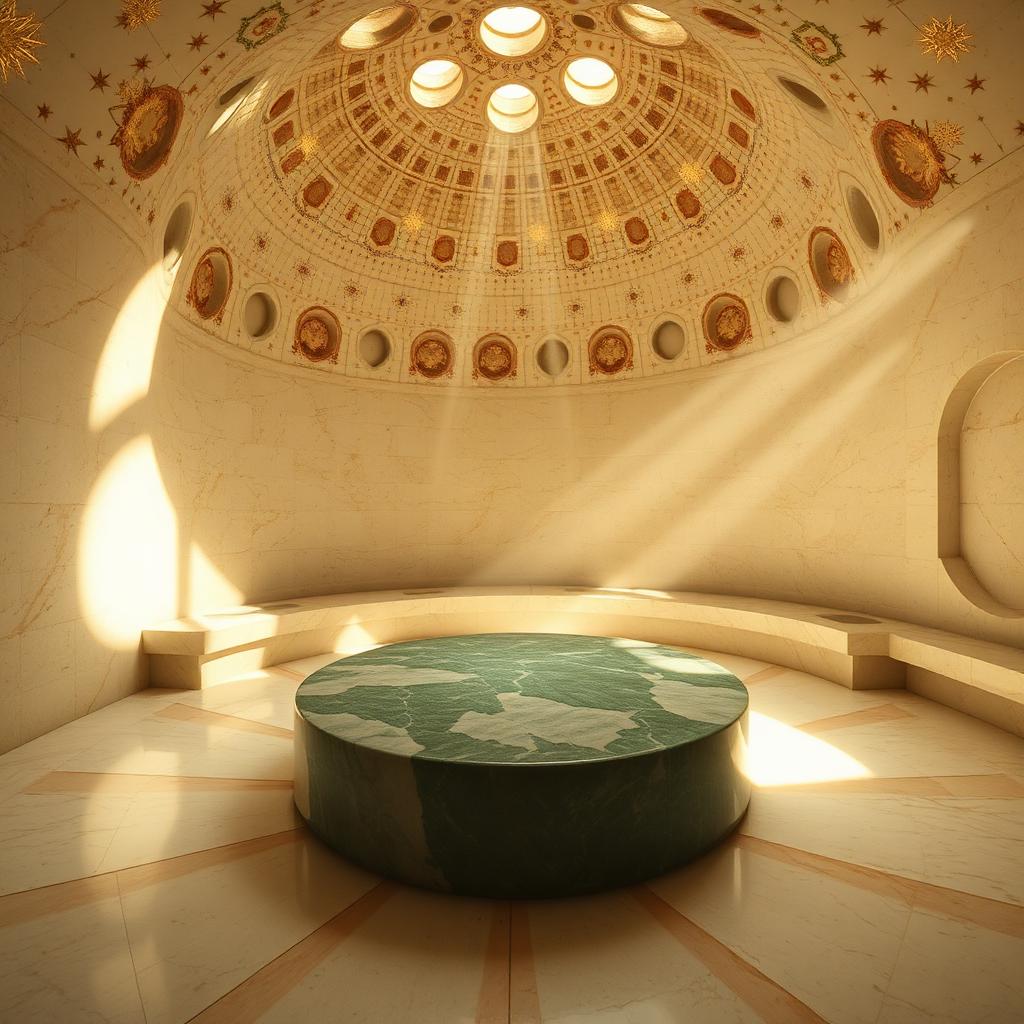
The steam and cleansing bath tradition, a communal ritual of touch, water, and rest.
- Curated companion
- Shared needs: skin, rest, physical stiffness
- Similar practices: session, weekly
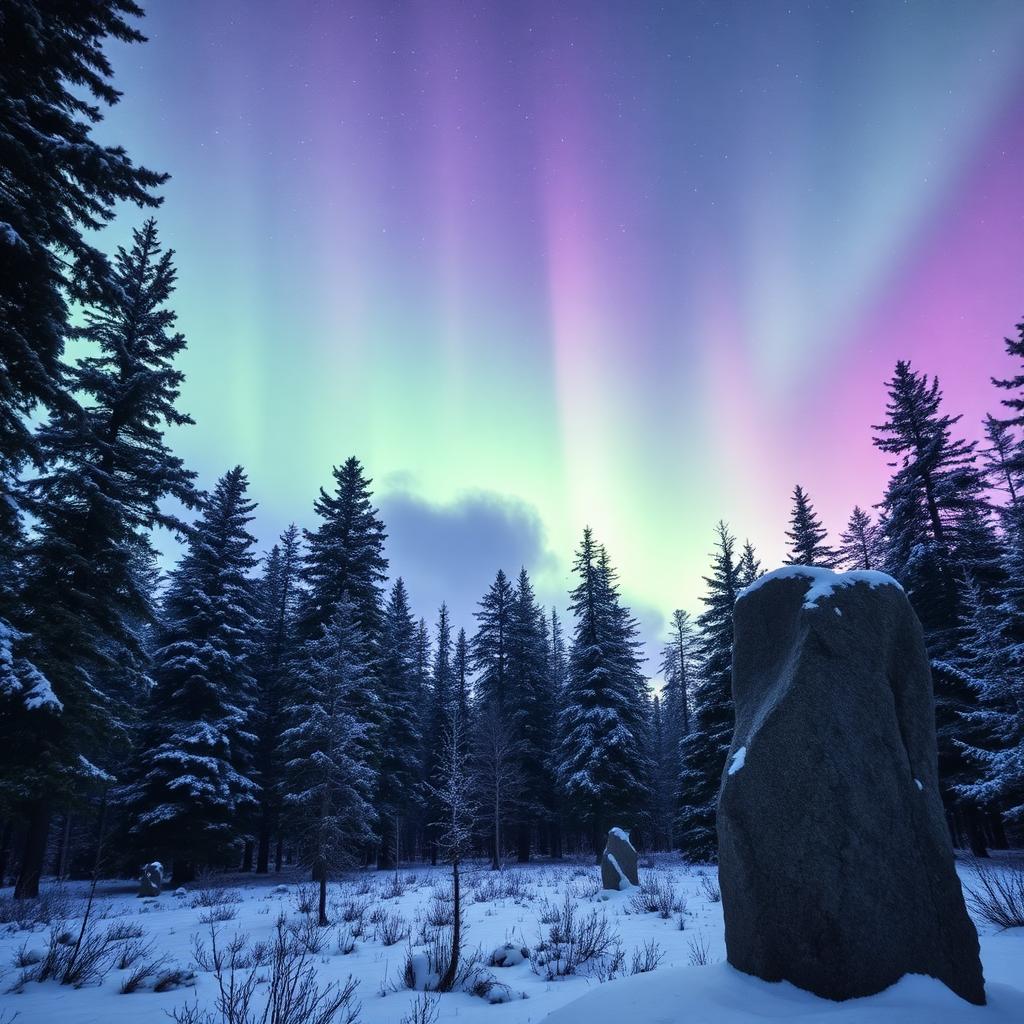
Scandinavian folk medicine, runic wisdom, and the seasonal severity of the North.
- Curated companion
- Shared needs: rest, winter care
- Similar practices: weekly, cold, plunge
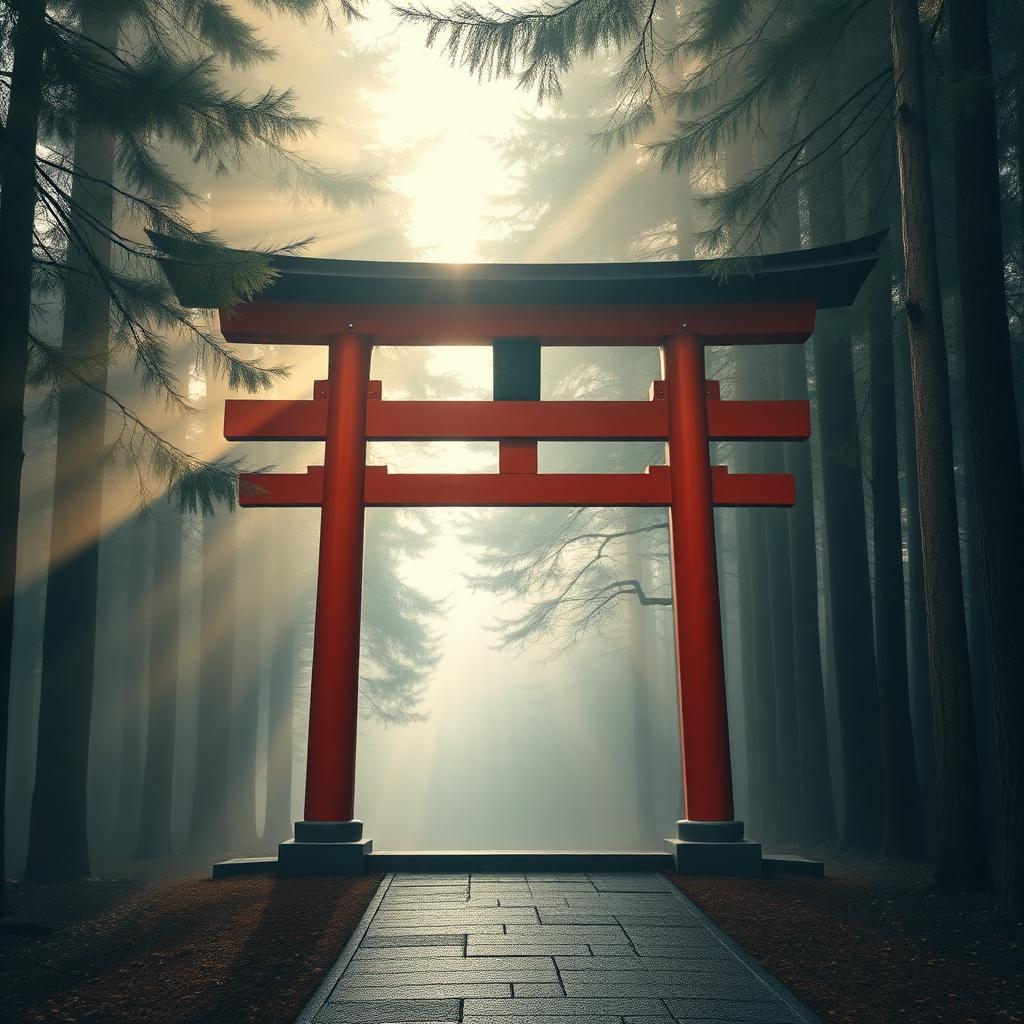
The Japanese practice of cleansing under cold waterfalls or by salt, water, and prayer.
- Curated companion
- Similar practices: cold
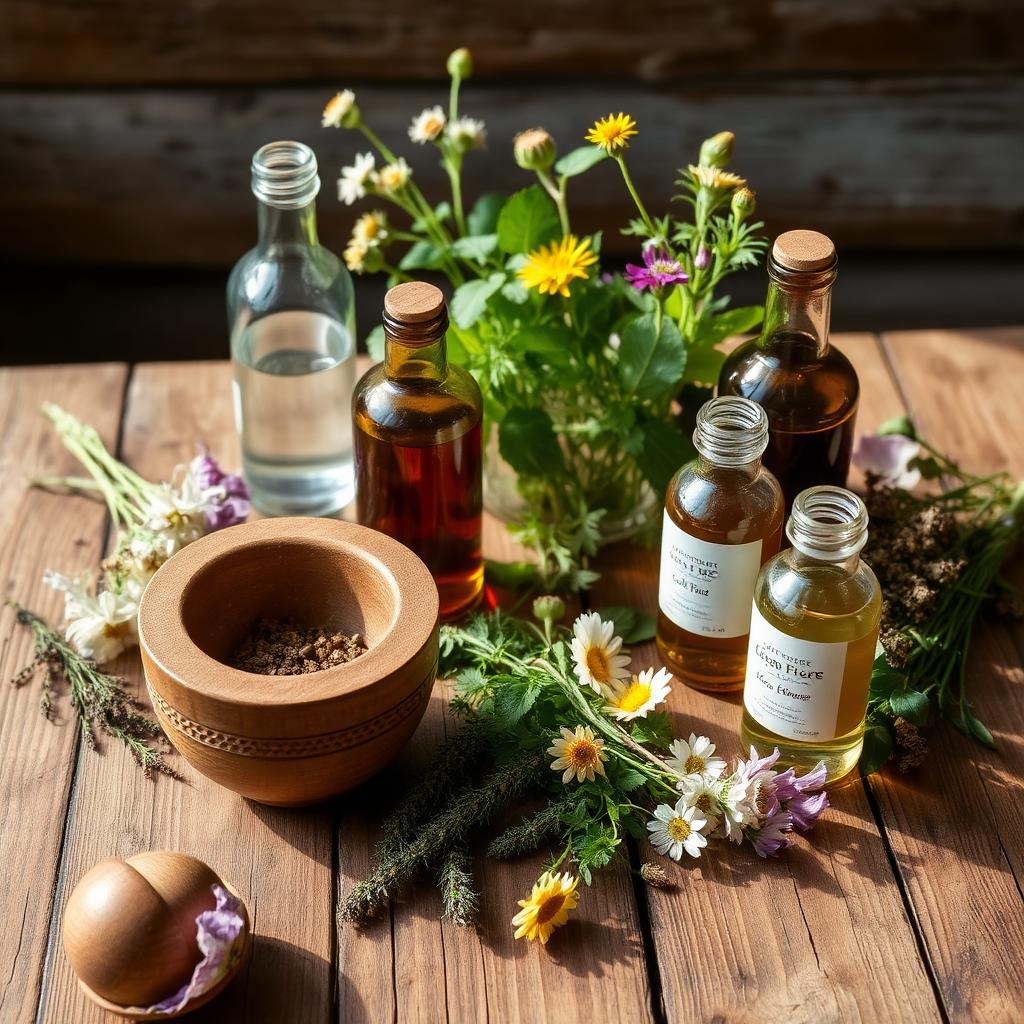
The village-level plant medicine of Europe, passed grandmother to grandchild.
- Shared needs: rest, skin
- Same region (Europe)
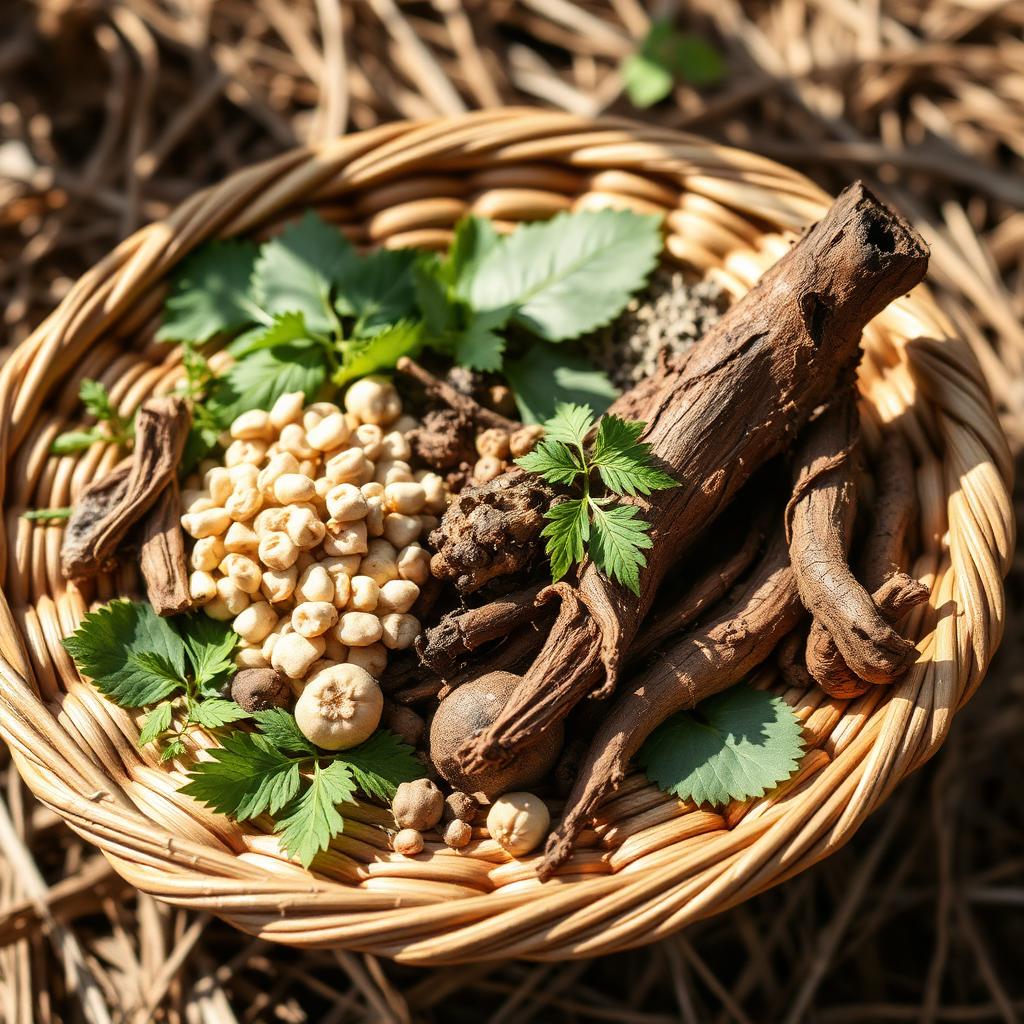
The vast pharmacopeia of plants used across the African continent, many now studied by modern pharmacology.
- Shared needs: skin, rest
- Same tradition type
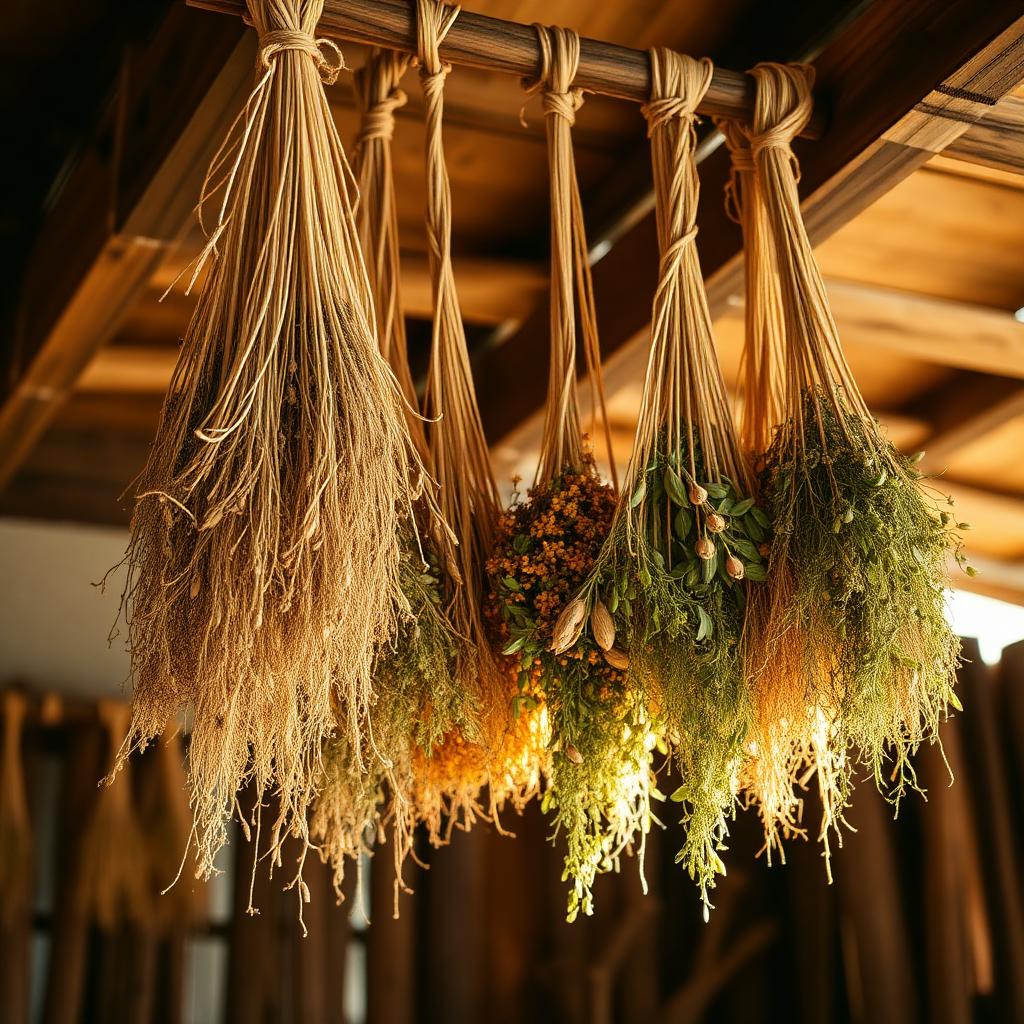
The plant-focused Southern African healer working with muthi, roots, bark, and bushland pharmacopeia.
- Shared needs: skin
- Same tradition type