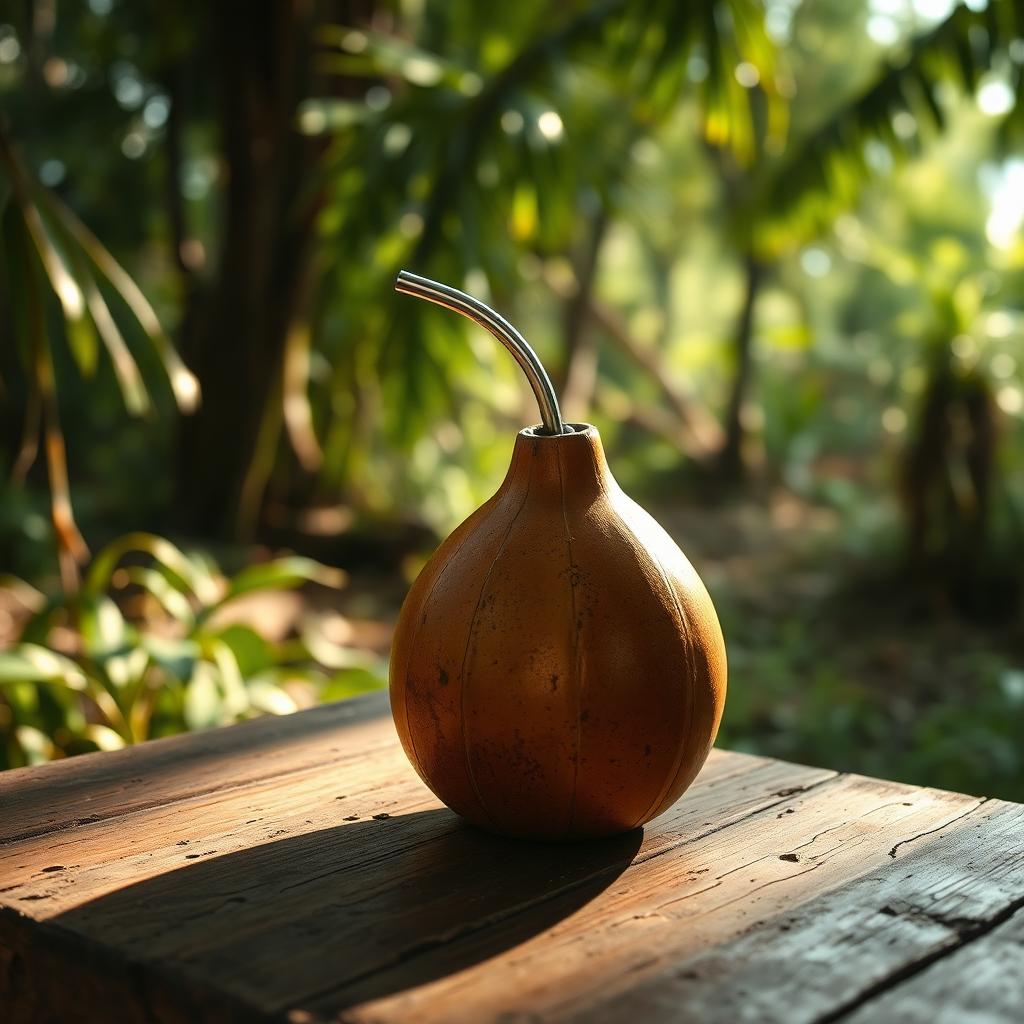
🌱Guaraní Healing
The Guaraní people of Paraguay and Brazil, karai (elder), song, and the good land (yvy marã ey).
The Guaraní peoples of Paraguay, Brazil, Argentina, and Bolivia hold a deep spiritual tradition centered on the search for yvy marã ey (the land without evil), the guidance of karai (elders and prophets), and the sacred word (ñe'ẽ porã). Healing is done through prayer song, plant medicine, and communal ceremony in the opy (ceremony house).
Lineage: Guaraní karai lineages.
Cost depends on practitioner, region, and format.
Estimates only. Many traditions offer sliding-scale, donation, or community access; sacred ceremonies are never for sale.
Distinguishing cultural belief, traditional practice, and evidence-supported effect where applicable.
Emotional
The dream of yvy marã ey holds the community together across generations.
Spiritual
The ñe'ẽ porã (sacred word) heals through sung prayer.
Community
The opy is a shared house of ceremony.
Areas of possible support, not guarantees or medical claims.
- People of Guaraní descent
- Allies of Indigenous land defense
- Attending an opy ceremony (with invitation)
- Learning basic Guaraní vocabulary of the sacred
- Supporting Guaraní land defenders
What to know before exploring
Traditional practice
This is a living tradition carried through lineage and community. Its value is documented through generations of practitioners rather than clinical trials. Absence of Western studies is not absence of wisdom.
- Psychoactive plant or substance use. Some traditions include plants or brews that can alter consciousness, such as ayahuasca, peyote, iboga, kambo, psilocybin, cannabis, or datura. These can interact with medications (especially SSRIs and MAOIs), heart conditions, and other prescriptions, and may bring up strong physical or emotional responses. This is a space for extra care, preparation, and trained guidance.
- Trance, possession, and altered states. Drumming, dance, and possession-based ceremonies can open non-ordinary states that feel profound but may be destabilizing for people with a personal or family history of psychosis, bipolar, dissociation, or acute trauma. Go slowly and honestly, with trustworthy support.
- Financial and spiritual exploitation risk. Sacred traditions can attract people who charge steep fees or claim exclusive spiritual authority. Trustworthy teachers welcome questions, encourage outside support, and never pressure you to pay for more than you can afford.
- Cultural appropriation and closed practices. Elements of this tradition may be reserved for initiated practitioners or community members. Approach as a respectful learner, not a consumer, and never present the practice as your own.
- Active PTSD or unprocessed severe trauma. Immersive, ceremonial, and altered-state work can surface traumatic memories without warning. If you are living with active PTSD, build a relationship with a trauma-informed licensed clinician first, and choose practitioners trained to hold trauma responses gently.
This information is shared as general education, not medical advice. The safest path is to share your full health story and current medications with both the practitioner and your regular healthcare provider before beginning something new.
What is my equivalent of yvy marã ey (the land without evil)?
Which of my inherited dreams still guides me?
Engaging with respect
Guaraní communities face displacement and violence; educate and give directly.
Traditions that share needs, practices, or cultural context with this one. Explore with respect for each lineage's origins.
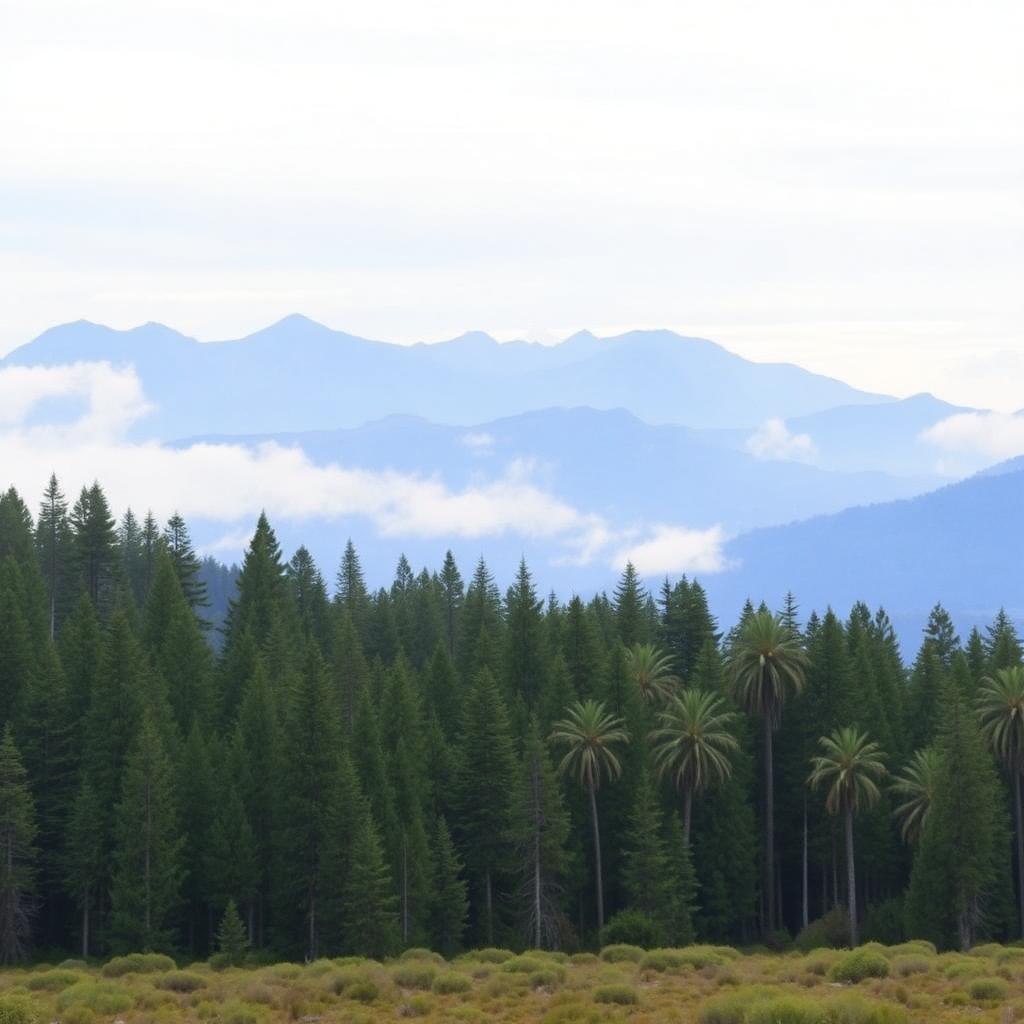
The medicine of the Mapuche people of what is now Chile and Argentina, held by the machi.
- Curated companion
- Shared needs: ancestral healing, land relationship
- Similar practices: attending, invitation, learning, supporting

Sacred plant traditions of the Amazon basin, held by dozens of Indigenous peoples over millennia.
- Curated companion
- Shared needs: ancestral healing
- Similar practices: ceremony
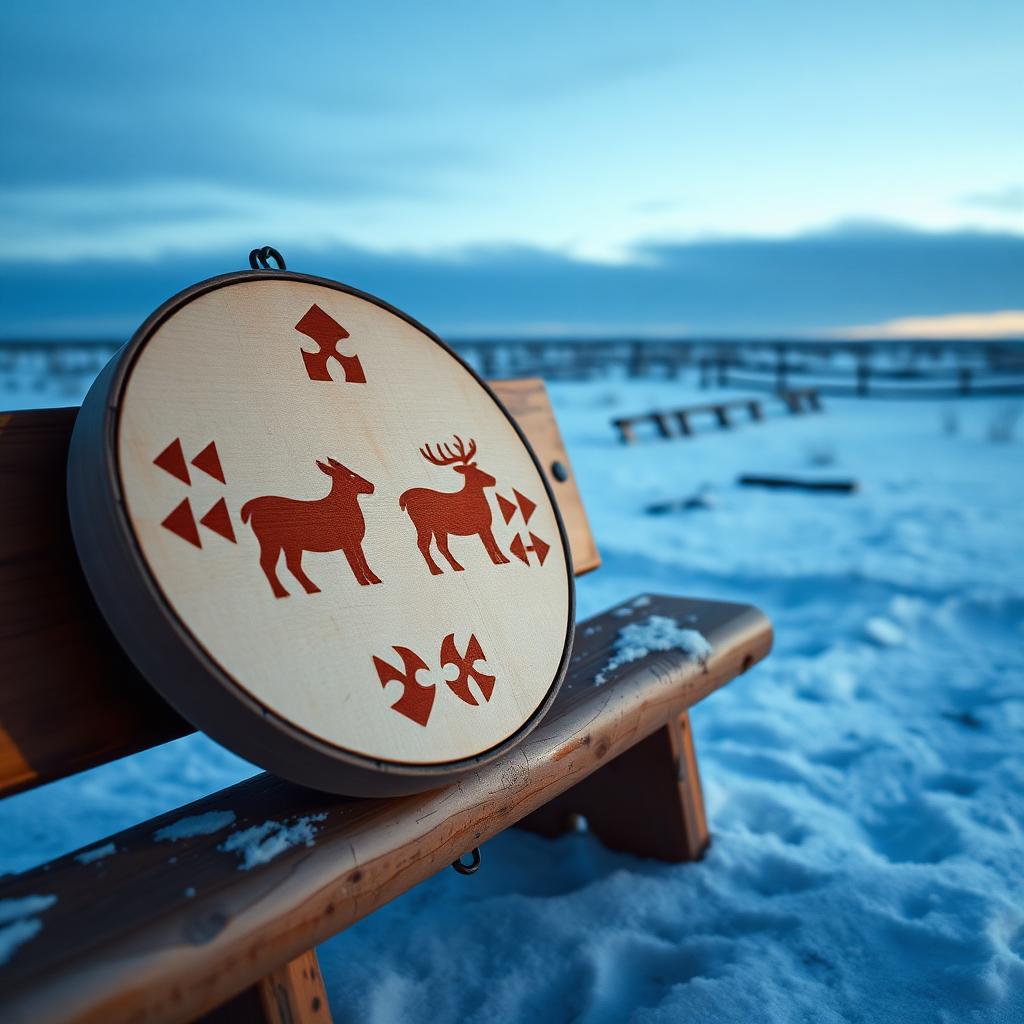
The Indigenous drum-song, joik, and healing of the Sámi people of Sápmi (Arctic Europe).
- Shared needs: land relationship, ancestral healing, meaning
- Similar practices: learning, land, supporting
- Same tradition type

Lithuanian and Latvian nature spirituality, sacred groves, songs (dainas), and seasonal fires.
- Shared needs: ancestral healing, land relationship, meaning
- Similar practices: learning, sacred
- Same tradition type
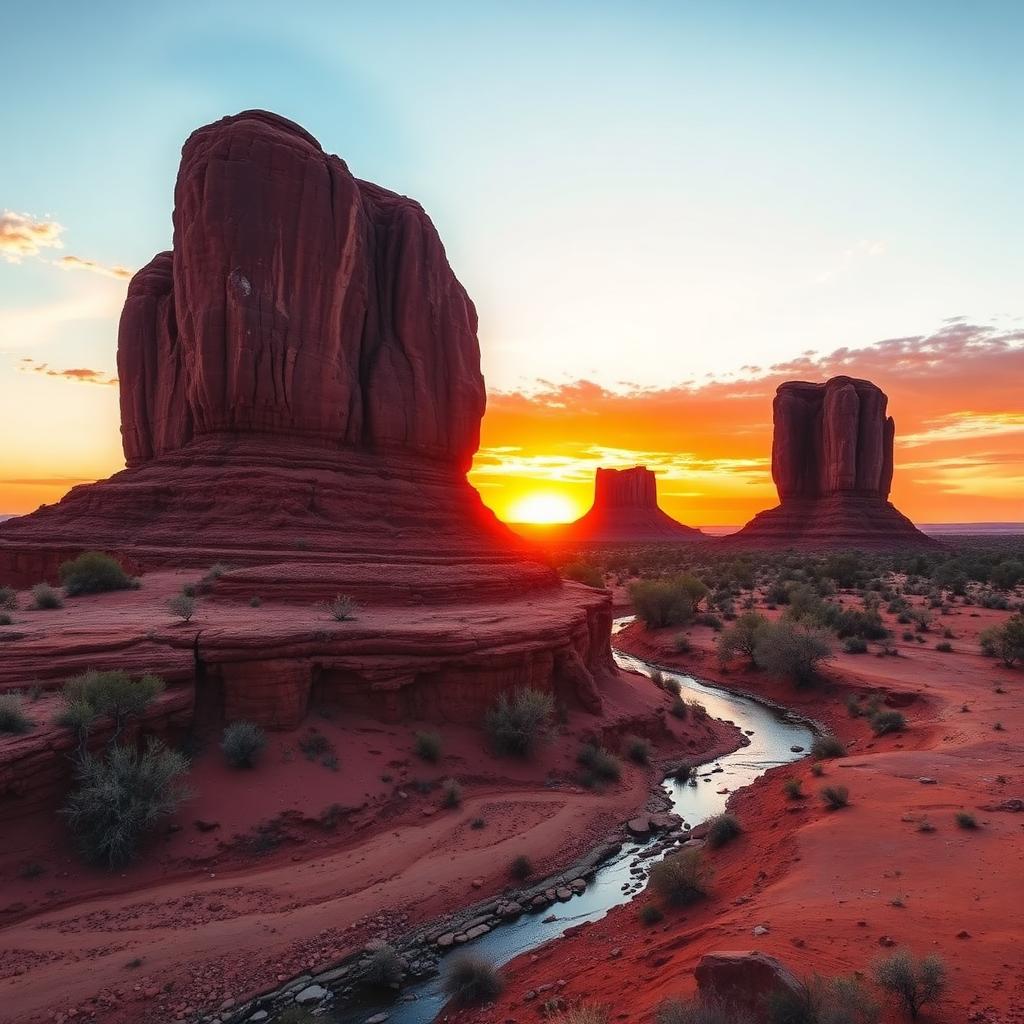
The living cosmology of Aboriginal Australia, Country, ancestors, and songlines held for 60,000+ years.
- Shared needs: land relationship, ancestral healing
- Similar practices: learning, attending, supporting, land
- Same tradition type
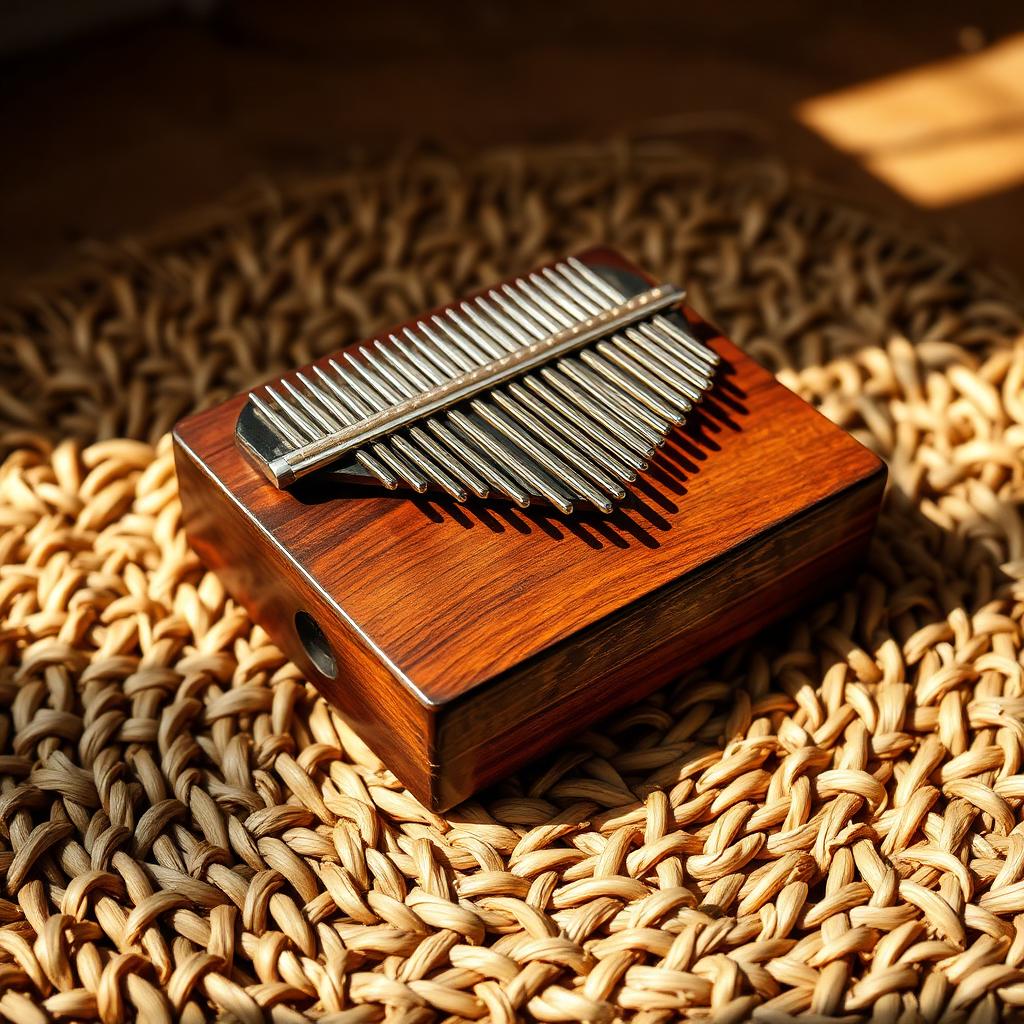
The medicine of Zimbabwe's Shona people, mbira music, ancestor spirits (vadzimu), and herb.
- Shared needs: ancestral healing, meaning
- Similar practices: attending, ceremony
- Same tradition type