
🌱Amazonian Plant Medicine
Sacred plant traditions of the Amazon basin, held by dozens of Indigenous peoples over millennia.
Imagery evoking Amazonian Plant Medicine, Sacred plant traditions of the Amazon basin, held by dozens of Indigenous peoples over millennia.
Symbolic imagery, generated with respect. No sacred ceremony or living person depicted.
The Amazon basin holds one of the world's most extraordinary botanical inheritances, tended for millennia by dozens of Indigenous peoples (Shipibo, Ashaninka, Yawanawá, Huni Kuin, Matsés, and many more). Sacred plants such as ayahuasca, tobacco (mapacho), rapé, sananga, chacruna, and bobinsana are used in ceremony under the guidance of trained ayahuasqueros or pajés. These are not recreational substances. The current global 'ayahuasca tourism' boom has caused real harm, both to seekers and to source communities.
Lineage: Each nation carries its own lineage of curanderos, ayahuasqueros, and pajés.
Traditional retreats $1,500, $4,000+ for 7, 12 days.
Estimates only. Many traditions offer sliding-scale, donation, or community access; sacred ceremonies are never for sale.
Distinguishing cultural belief, traditional practice, and evidence-supported effect where applicable.
Psychological
Ceremonial use can loosen fixed patterns; peer-reviewed research on PTSD and depression is growing.
Spiritual
Ceremony frames the experience as encounter with the plant-spirits, not just a chemical trip.
Community
The maloca (ceremony house) and the days of preparation and integration are the healing, not only the plant.
Nervous system
Icaros (healing songs) hold the participant through altered states.
Areas of possible support, not guarantees or medical claims.
- People with serious inner work already under way and proper preparation
- Those able to engage with a lineage-based curandero, not a weekend retreat
- Long dieta (weeks of dietary and behavioral discipline)
- Ceremony held by a trained curandero, with icaros
- Weeks of integration afterward, ideally with a trauma-informed therapist
What to know before exploring
Traditional practice
This is a living tradition carried through lineage and community. Its value is documented through generations of practitioners rather than clinical trials. Absence of Western studies is not absence of wisdom.
- Psychoactive plant or substance use. Some traditions include plants or brews that can alter consciousness, such as ayahuasca, peyote, iboga, kambo, psilocybin, cannabis, or datura. These can interact with medications (especially SSRIs and MAOIs), heart conditions, and other prescriptions, and may bring up strong physical or emotional responses. This is a space for extra care, preparation, and trained guidance.
- Herbal preparations and dosing. Herbs, tinctures, teas, and topical preparations can be gentle and powerful at the same time. They may interact with prescription medications or affect blood pressure, the liver, kidneys, or allergies. Quality and sourcing matter, so work with a knowledgeable practitioner and share your medication list.
- Fasting or restrictive diet. Fasts, cleanses, and prescribed diets can be meaningful, but they can also cause dizziness, low blood sugar, or electrolyte imbalance. They are best approached with care if you are pregnant, have diabetes, an eating-disorder history, or take medications that require food.
- Financial and spiritual exploitation risk. Sacred traditions can attract people who charge steep fees or claim exclusive spiritual authority. Trustworthy teachers welcome questions, encourage outside support, and never pressure you to pay for more than you can afford.
- Cultural appropriation and closed practices. Some elements are closed to outsiders or reserved for initiated practitioners. Participating without invitation, or teaching without lineage, can harm living communities and weaken the practice itself. Approach as a respectful learner, not a consumer.
- Heart, blood pressure, and stroke history. Intense heat, cold, breath, or exertion can strain the cardiovascular system. If you have a heart condition, uncontrolled blood pressure, arrhythmia, a pacemaker, prior stroke, or take cardiac medication, check in with your physician before participating.
- Pregnancy, breastfeeding, and fertility treatment. Several herbs, essential oils, deep-tissue techniques, extreme temperatures, and intense breath or plant-medicine practices are not recommended during pregnancy, breastfeeding, or IVF cycles. Disclose your status and ask for a practitioner with prenatal training.
- Psychosis, bipolar I, or dissociative history (extra pause recommended). If you or a close family member has a history of psychosis, schizophrenia, bipolar I, dissociative disorders, or are in an acute mental health episode, please be extra gentle. Psychedelic, trance, and intense inner-work practices are best avoided unless you are working closely with a psychiatrist who understands this territory.
- Active PTSD or unprocessed severe trauma. Immersive, ceremonial, and altered-state work can surface traumatic memories without warning. If you are living with active PTSD, build a relationship with a trauma-informed licensed clinician first, and choose practitioners trained to hold trauma responses gently.
- Prescription medication interactions. Bring a full medication list to your practitioner and pharmacist. Some common combinations need extra care, such as SSRIs and MAOIs with ayahuasca or St. John's wort, blood thinners with garlic or ginkgo, and immunosuppressants with many herbs. Your care team can help you navigate this.
This information is shared as general education, not medical advice. The safest path is to share your full health story and current medications with both the practitioner and your regular healthcare provider before beginning something new.
Am I seeking the plant, or seeking to avoid the ordinary work of my life?
Do I have people who will hold me for a year after the ceremony, not only the week of?
Written in the spirit of this tradition, held as invitations, not instructions. Take what serves your reflection.
What emotion do I bury because I have no ritual container for it?
How do I already listen to a world that is more than human?
Who would I trust to sit with me through something I cannot un-see?
Engaging with respect
Work only with lineage-carrying curanderos. Contribute financially to Indigenous conservation of the Amazon. If you are drawn, prepare for years, not days. These medicines have contraindications with SSRIs and many medical conditions.
Traditions that share needs, practices, or cultural context with this one. Explore with respect for each lineage's origins.
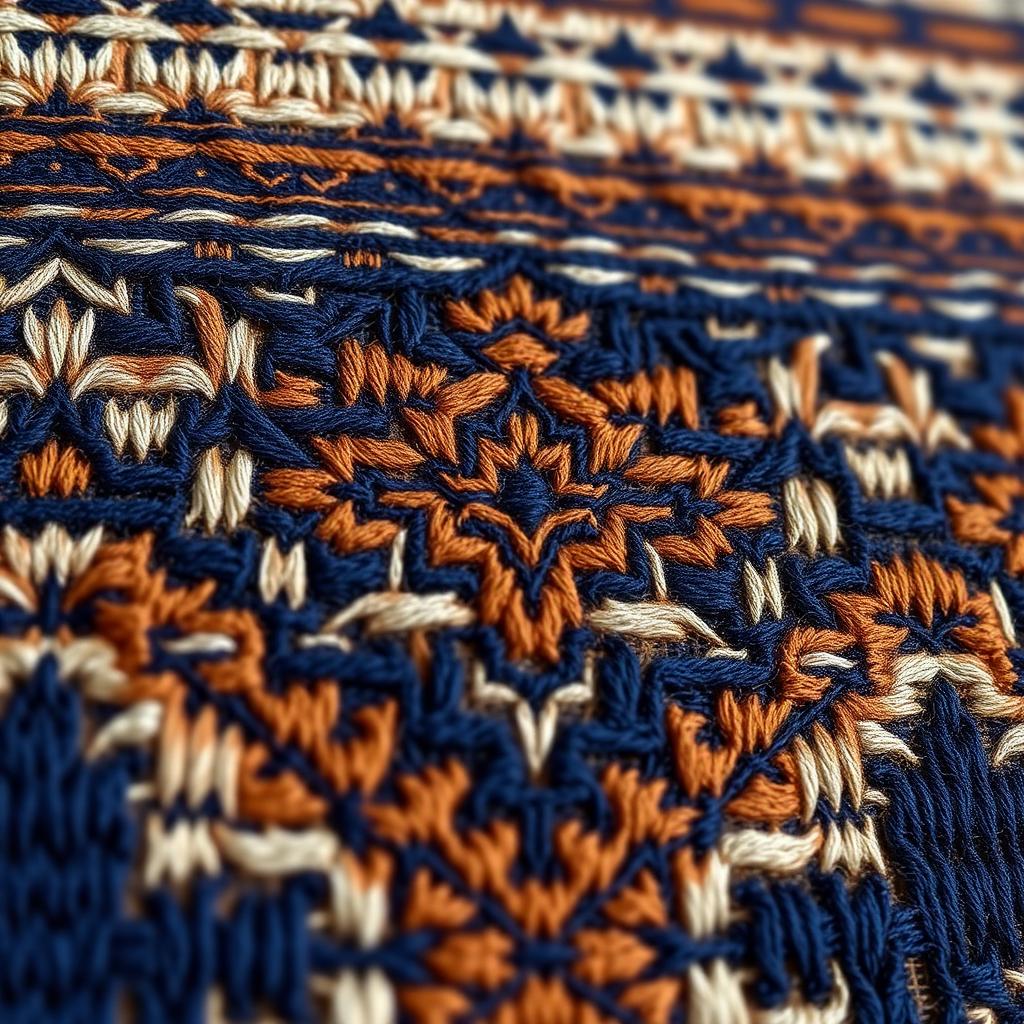
The intricate visionary art, song (icaros), and plant medicine of the Shipibo-Conibo of the Amazon.
- Curated companion
- Shared needs: trauma, depression, grief
- Similar practices: long, dieta, ceremony, integration
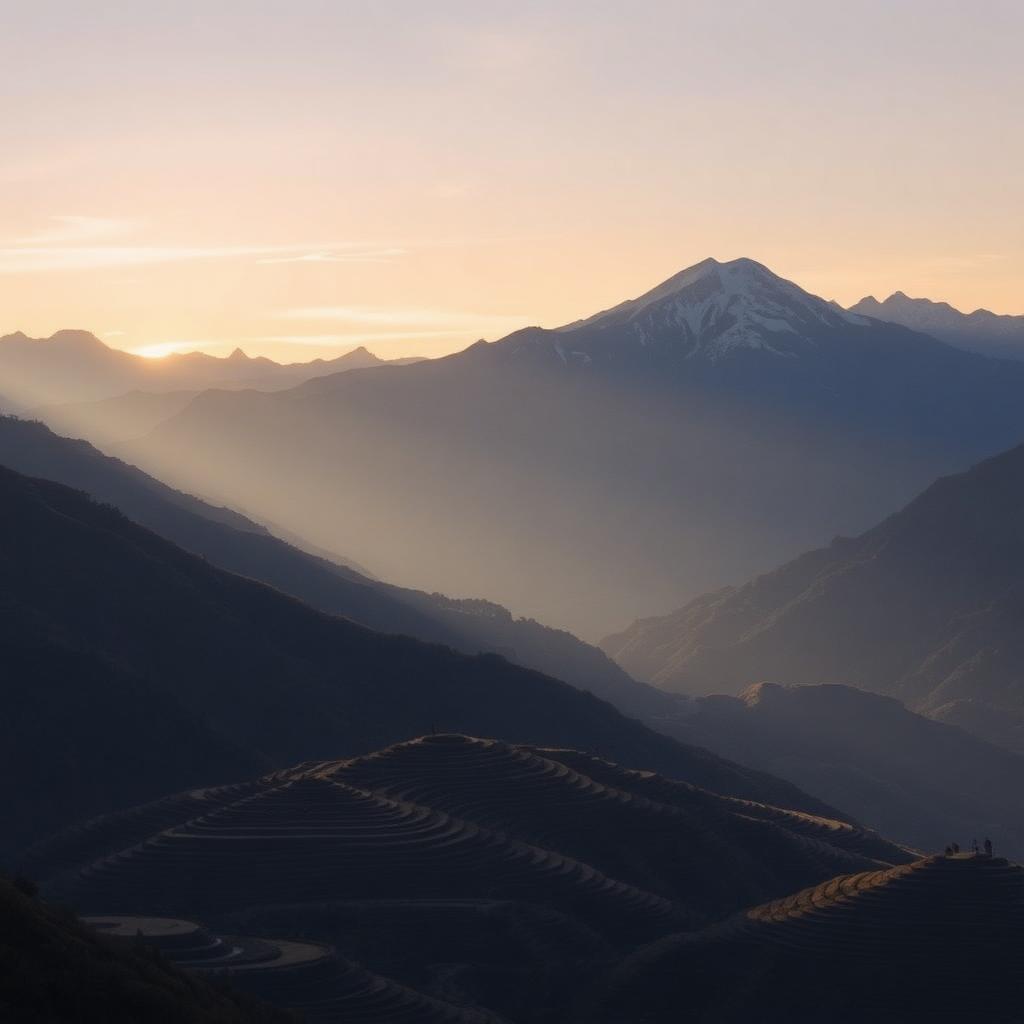
The living cosmology and healing of the Andes, Pachamama, apus, and the reciprocity of ayni.
- Curated companion
- Shared needs: grief
- Same region (South America)
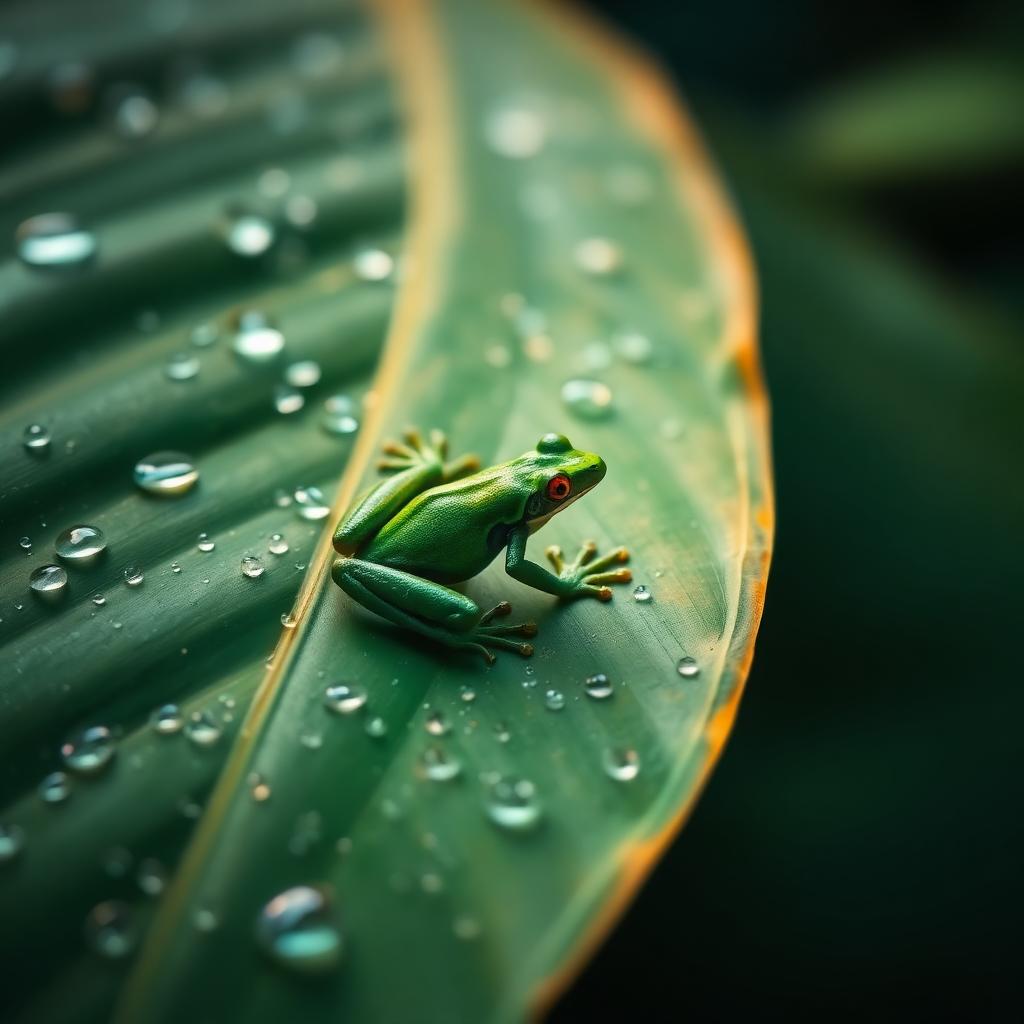
The Amazonian frog-secretion cleansing practice held by the Matsés, Yawanawá, and others.
- Curated companion
- Similar practices: trained, integration, afterward
- Same region (South America)
A Brazilian syncretic tradition weaving African orisha, Indigenous spirit, and Catholic saint.
- Shared needs: grief, ancestral healing
- Similar practices: ceremony
- Same region (South America)
The healing wisdom of the Lakota Nation, sweat lodge, pipe, and the sacred circle of Mitákuye Oyás’iŋ, 'all my relations'.
- Shared needs: grief, trauma
- Similar practices: ceremony
- Same tradition type
The healing traditions of the Māori people of Aotearoa, where wellbeing is the balance of body, mind, spirit, and whānau.
- Shared needs: grief, trauma
- Same tradition type