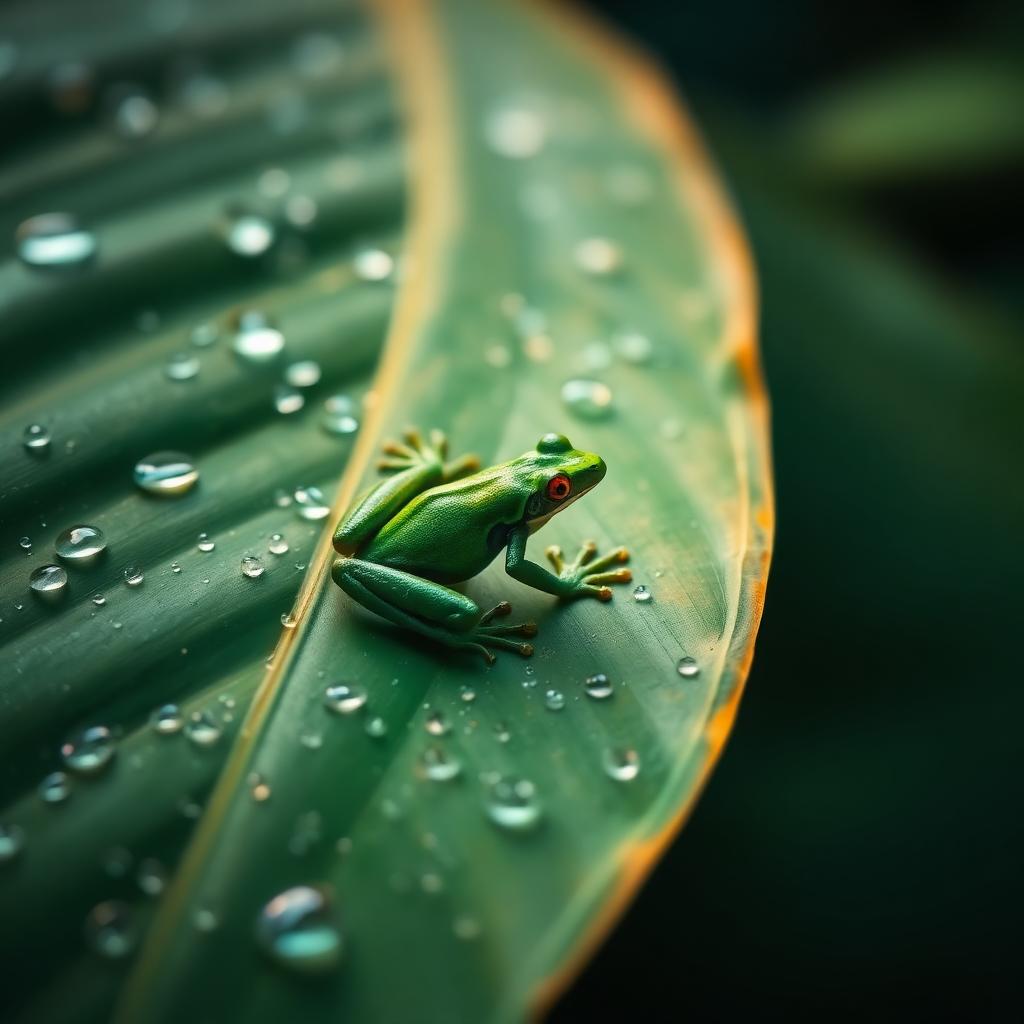
🐸Kambo Medicine
The Amazonian frog-secretion cleansing practice held by the Matsés, Yawanawá, and others.
Kambo is the traditional Amazonian practice of applying secretions from the giant monkey frog (Phyllomedusa bicolor) to small superficial burns on the skin. The Matsés, Yawanawá, Katukina, and other peoples use it to bring hunter's strength, clear panema (heaviness), and reset the body. It causes intense but brief physical purge (usually 20 to 40 minutes) followed by lasting clarity. It has significant cardiovascular effects and should never be taken casually.
Lineage: Matsés, Yawanawá, Katukina, and other Amazonian lineages.
Cost depends on practitioner, region, and format.
Estimates only. Many traditions offer sliding-scale, donation, or community access; sacred ceremonies are never for sale.
Distinguishing cultural belief, traditional practice, and evidence-supported effect where applicable.
Psychological
Many report renewed clarity for weeks afterward.
Spiritual
Traditional cultures frame it as clearing panema (heaviness).
Physical
Rapid physiological purge and immune modulation.
Areas of possible support, not guarantees or medical claims.
- Healthy adults working with trained practitioners with cardiovascular clearance
- Extensive hydration and screening beforehand
- Application by a trained facilitator
- Rest and integration afterward
What to know before exploring
Traditional practice
This is a living tradition carried through lineage and community. Its value is documented through generations of practitioners rather than clinical trials. Absence of Western studies is not absence of wisdom.
- Psychoactive plant or substance use. Some traditions include plants or brews that can alter consciousness, such as ayahuasca, peyote, iboga, kambo, psilocybin, cannabis, or datura. These can interact with medications (especially SSRIs and MAOIs), heart conditions, and other prescriptions, and may bring up strong physical or emotional responses. This is a space for extra care, preparation, and trained guidance.
- Fasting or restrictive diet. Fasts, cleanses, and prescribed diets can be meaningful, but they can also cause dizziness, low blood sugar, or electrolyte imbalance. They are best approached with care if you are pregnant, have diabetes, an eating-disorder history, or take medications that require food.
- Financial and spiritual exploitation risk. Sacred traditions can attract people who charge steep fees or claim exclusive spiritual authority. Trustworthy teachers welcome questions, encourage outside support, and never pressure you to pay for more than you can afford.
- Cultural appropriation and closed practices. Elements of this tradition may be reserved for initiated practitioners or community members. Approach as a respectful learner, not a consumer, and never present the practice as your own.
- Heart, blood pressure, and stroke history. Intense heat, cold, breath, or exertion can strain the cardiovascular system. If you have a heart condition, uncontrolled blood pressure, arrhythmia, a pacemaker, prior stroke, or take cardiac medication, check in with your physician before participating.
- Pregnancy, breastfeeding, and fertility treatment. Several herbs, essential oils, deep-tissue techniques, extreme temperatures, and intense breath or plant-medicine practices are not recommended during pregnancy, breastfeeding, or IVF cycles. Disclose your status and ask for a practitioner with prenatal training.
- Active PTSD or unprocessed severe trauma. Immersive, ceremonial, and altered-state work can surface traumatic memories without warning. If you are living with active PTSD, build a relationship with a trauma-informed licensed clinician first, and choose practitioners trained to hold trauma responses gently.
- Bleeding disorders and blood thinners. Practices that pierce or bruise the skin can cause prolonged bleeding or large bruises if you have hemophilia, low platelets, or take anticoagulants such as warfarin, apixaban, or high-dose aspirin. Let your practitioner know before you begin.
- Skin infections and immune suppression. Any practice that breaks the skin requires clean, single-use tools. If you are immunocompromised, in cancer treatment, or have active skin infection, it is wise to delay these practices or choose non-invasive alternatives.
- Prescription medication interactions. Bring a full medication list to your practitioner and pharmacist. Some common combinations need extra care, such as SSRIs and MAOIs with ayahuasca or St. John's wort, blood thinners with garlic or ginkgo, and immunosuppressants with many herbs. Your care team can help you navigate this.
This information is shared as general education, not medical advice. The safest path is to share your full health story and current medications with both the practitioner and your regular healthcare provider before beginning something new.
Am I asking a strong medicine to do the work of ordinary discipline?
What lineage am I willing to learn from before receiving?
Engaging with respect
Work only with facilitators trained by Amazonian lineage-holders (e.g., IAKP). Do not participate if you have heart, kidney, or serious mental health conditions.
Traditions that share needs, practices, or cultural context with this one. Explore with respect for each lineage's origins.

Sacred plant traditions of the Amazon basin, held by dozens of Indigenous peoples over millennia.
- Curated companion
- Similar practices: trained, integration, afterward
- Same region (South America)
The intricate visionary art, song (icaros), and plant medicine of the Shipibo-Conibo of the Amazon.
- Curated companion
- Similar practices: integration
- Same region (South America)
A broad family of practices using conscious breathing to shift emotion and physiology.
- Similar practices: trained, facilitator, screening
The living cosmology and healing of the Andes, Pachamama, apus, and the reciprocity of ayni.
- Same region (South America)
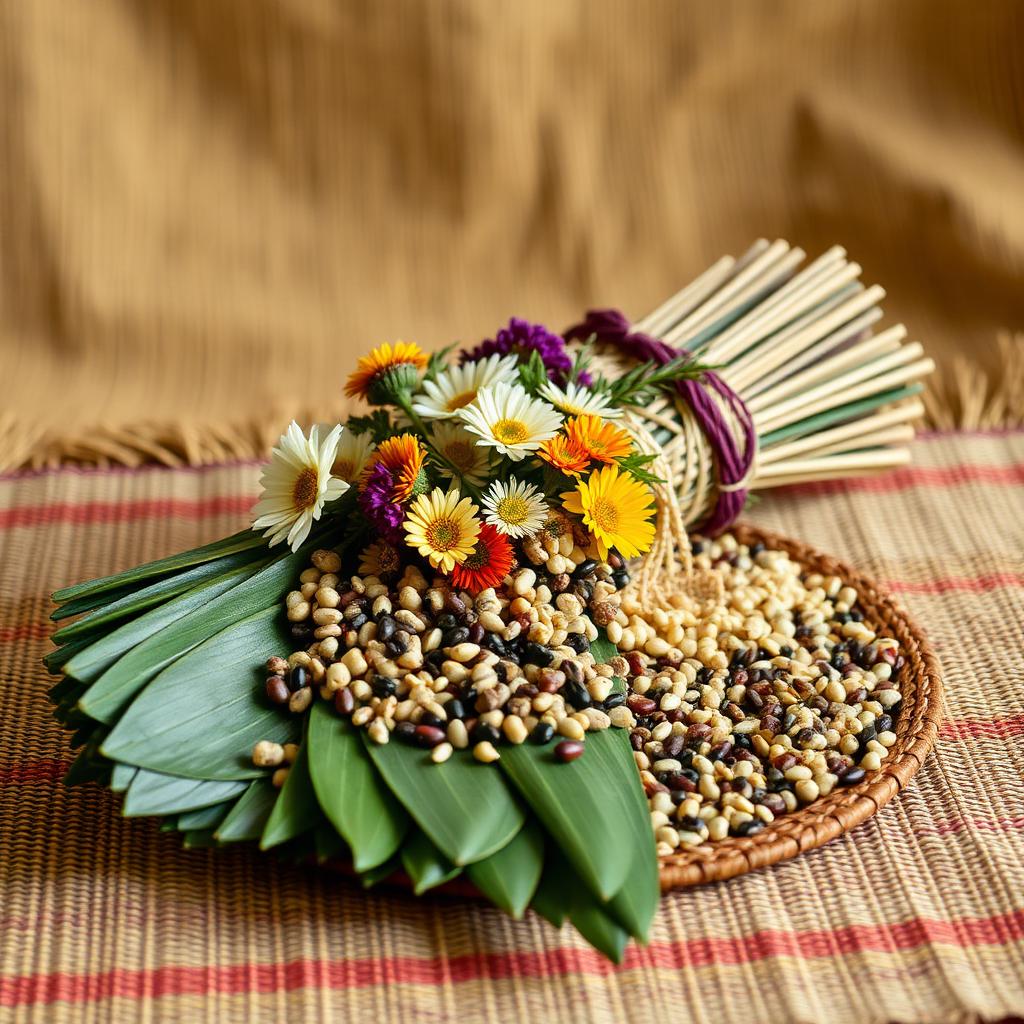
Andean offerings, beautifully arranged prayers of gratitude and reciprocity with the living Earth.
- Same region (South America)
The medicine of the Mapuche people of what is now Chile and Argentina, held by the machi.
- Same region (South America)