🌬️Breathwork
A broad family of practices using conscious breathing to shift emotion and physiology.
Imagery evoking Breathwork, A broad family of practices using conscious breathing to shift emotion and physiology.
Symbolic imagery, generated with respect. No sacred ceremony or living person depicted.
Breathwork is a broad family of practices that use conscious breathing to shift emotion and physiology. It ranges from slow coherent breathing (5-6 breaths per minute, evidence-supported for anxiety and blood pressure), to yogic pranayama (thousands of years old), to Holotropic Breathwork (Stanislav and Christina Grof), to Wim Hof Method (hyperventilation plus cold). Effects vary hugely; some intense forms are contraindicated for cardiovascular conditions, pregnancy, and severe mental illness.
Free self-practice; group classes $15, $45.
Estimates only. Many traditions offer sliding-scale, donation, or community access; sacred ceremonies are never for sale.
Distinguishing cultural belief, traditional practice, and evidence-supported effect where applicable.
Psychological
Sustained slow breathing supports emotional regulation.
Spiritual
Yogic roots frame breath as prana (life force).
Nervous system
Documented cardiovascular and vagal-tone effects.
- Slow coherent breathing (5.5 in, 5.5 out) daily
- Box breathing (4-4-4-4) before stressful events
- Nadi Shodhana (alternate nostril) morning practice
- Intensive breathwork only with trained facilitator and screening
What to know before exploring
Mixed evidence
Some components have research support, while others rest on centuries of lived experience and cultural knowledge that has not been formally studied. Read outcomes as suggestive, not proven, and trust the tradition's own ways of knowing.
- Intense heat, cold, or altitude. Sweat lodges, saunas, banyas, hammams, cold plunges, and high-altitude ceremonies can be clarifying, but they also place real strain on the heart, blood pressure, and thermoregulation. Honor your limits and take breaks; these are not practices to push through.
- Intense breathwork. Sustained fast or forceful breathing (holotropic, rebirthing, kriya, kundalini pranayama) can bring strong physical sensations and surfacing emotions. It can occasionally cause fainting, tingling, or panic, and it can bring up trauma memories. A well-trained facilitator and honest self-assessment make this work much safer.
- Heart, blood pressure, and stroke history. Intense heat, cold, breath, or exertion can strain the cardiovascular system. If you have a heart condition, uncontrolled blood pressure, arrhythmia, a pacemaker, prior stroke, or take cardiac medication, check in with your physician before participating.
- Pregnancy, breastfeeding, and fertility treatment. Several herbs, essential oils, deep-tissue techniques, extreme temperatures, and intense breath or plant-medicine practices are not recommended during pregnancy, breastfeeding, or IVF cycles. Disclose your status and ask for a practitioner with prenatal training.
- Psychosis, bipolar I, or dissociative history (extra pause recommended). If you or a close family member has a history of psychosis, schizophrenia, bipolar I, dissociative disorders, or are in an acute mental health episode, please be extra gentle. Psychedelic, trance, and intense inner-work practices are best avoided unless you are working closely with a psychiatrist who understands this territory.
- Active PTSD or unprocessed severe trauma. Immersive, ceremonial, and altered-state work can surface traumatic memories without warning. If you are living with active PTSD, build a relationship with a trauma-informed licensed clinician first, and choose practitioners trained to hold trauma responses gently.
This information is shared as general education, not medical advice. The safest path is to share your full health story and current medications with both the practitioner and your regular healthcare provider before beginning something new.
What does one minute of slow breathing change in me?
Where in my body does breath refuse to enter?
Written in the spirit of this tradition, held as invitations, not instructions. Take what serves your reflection.
When I slow my breath, what emotion becomes louder?
Where in my life am I unconsciously holding my breath?
Who taught me it was safe to exhale?
Engaging with respect
Intense breathwork is not for everyone; screen carefully.
Traditions that share needs, practices, or cultural context with this one. Explore with respect for each lineage's origins.
The eight-limbed path from India, posture, breath, ethics, and meditation as one whole.
- Curated companion
- Shared needs: anxiety
- Similar practices: daily, practice, nadi, shodhana

Practices drawn from Stephen Porges's Polyvagal Theory to teach the nervous system safety.
- Curated companion
- Shared needs: anxiety
- Same region (Global)
A vast family of contemplative practices held by every major tradition, quieting, opening, seeing.
- Curated companion
- Similar practices: practice, before, daily
- Same region (Global)
Present-moment, non-judging awareness, Buddhist in root, now a global evidence-based practice.
- Shared needs: anxiety
- Similar practices: daily, practice, before
- Same region (Global)
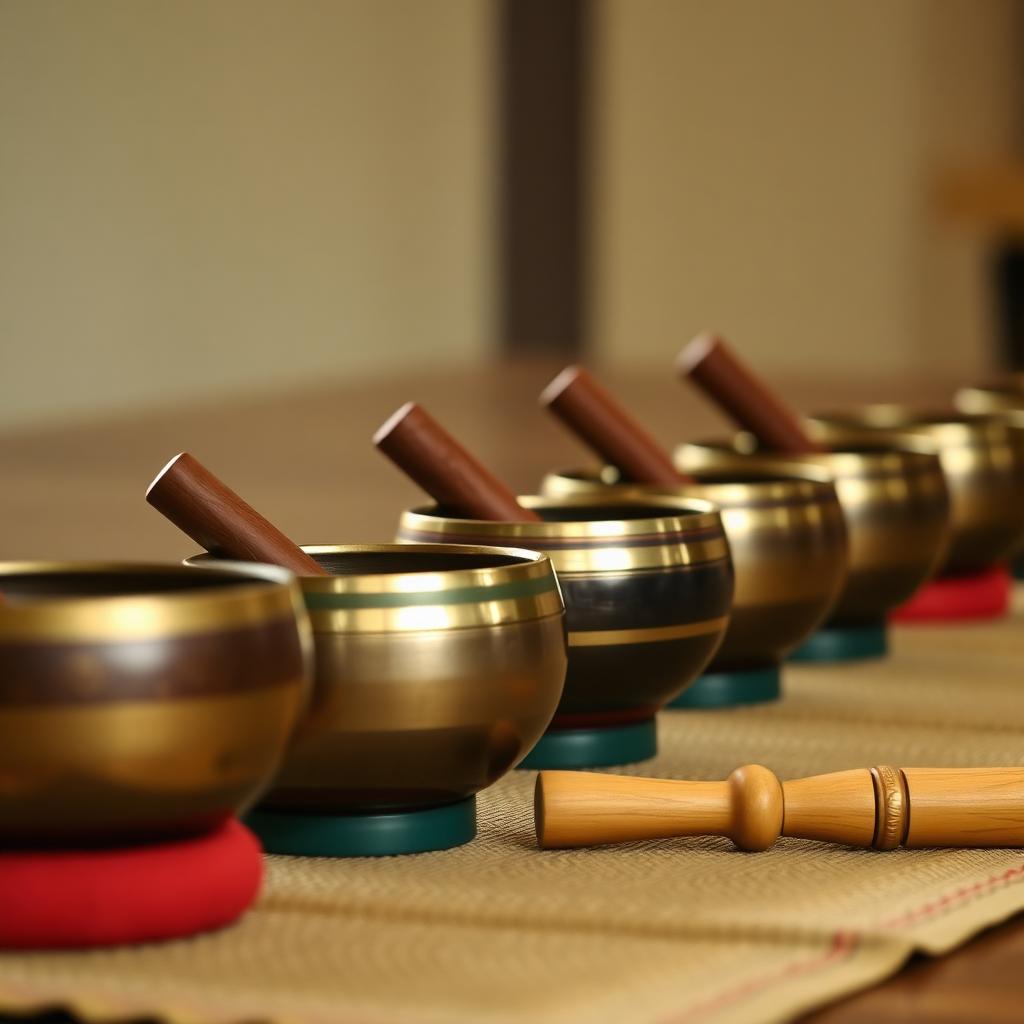
Singing bowls, gongs, and chant traditions used across cultures to shift state through vibration.
- Shared needs: anxiety, sleep
- Similar practices: practice, daily

Chinese cultivation of qi through slow movement, breath, and intention.
- Shared needs: anxiety, sleep
- Similar practices: daily