🕯️Meditation
A vast family of contemplative practices held by every major tradition, quieting, opening, seeing.
Imagery evoking Meditation, A vast family of contemplative practices held by every major tradition, quieting, opening, seeing.
Symbolic imagery, generated with respect. No sacred ceremony or living person depicted.
Meditation is a vast family of contemplative practices, held by every major religious tradition and now studied secularly. Categories include focused attention (breath, mantra), open monitoring (mindfulness), loving-kindness (metta), analytical (Tibetan), and non-dual (Zen shikantaza, Dzogchen). Different practices train different faculties; no one form is 'meditation' as such.
Free apps, books, and community sittings widely available.
Estimates only. Many traditions offer sliding-scale, donation, or community access; sacred ceremonies are never for sale.
Distinguishing cultural belief, traditional practice, and evidence-supported effect where applicable.
Psychological
Broad evidence for many practices.
Spiritual
Every major tradition holds a form.
Nervous system
Long practice changes baseline arousal.
- Choosing one practice and committing for at least 8 weeks before evaluating
- Finding a tradition and teacher rather than switching apps constantly
- Daily practice of at least 20 minutes
What to know before exploring
Evidence supported
Elements of this practice have been studied in peer-reviewed research and show measurable benefits for specific concerns. Study quality varies, and the tradition itself is broader than what science has measured. Evidence is one lens; lived lineage and cultural wisdom are equally important.
- Herbal preparations and dosing. Herbs, tinctures, teas, and topical preparations can be gentle and powerful at the same time. They may interact with prescription medications or affect blood pressure, the liver, kidneys, or allergies. Quality and sourcing matter, so work with a knowledgeable practitioner and share your medication list.
- Trance, possession, and altered states. Drumming, dance, and possession-based ceremonies can open non-ordinary states that feel profound but may be destabilizing for people with a personal or family history of psychosis, bipolar, dissociation, or acute trauma. Go slowly and honestly, with trustworthy support.
This information is shared as general education, not medical advice. The safest path is to share your full health story and current medications with both the practitioner and your regular healthcare provider before beginning something new.
What tradition would I be a beginner in for the next 20 years?
What is my practice actually for?
Written in the spirit of this tradition, held as invitations, not instructions. Take what serves your reflection.
What arises when I sit and simply do nothing about it?
What might be constant in me, underneath all this changing weather?
Whose silent example first taught me it was safe to slow down?
Traditions that share needs, practices, or cultural context with this one. Explore with respect for each lineage's origins.
The eight-limbed path from India, posture, breath, ethics, and meditation as one whole.
- Curated companion
- Similar practices: daily, practice, minutes, teacher
- Same tradition type
Present-moment, non-judging awareness, Buddhist in root, now a global evidence-based practice.
- Curated companion
- Similar practices: daily, practice, before
- Same region (Global)
The Japanese Buddhist school of direct awakening through zazen (seated meditation).
- Curated companion
- Similar practices: daily, minutes, teacher
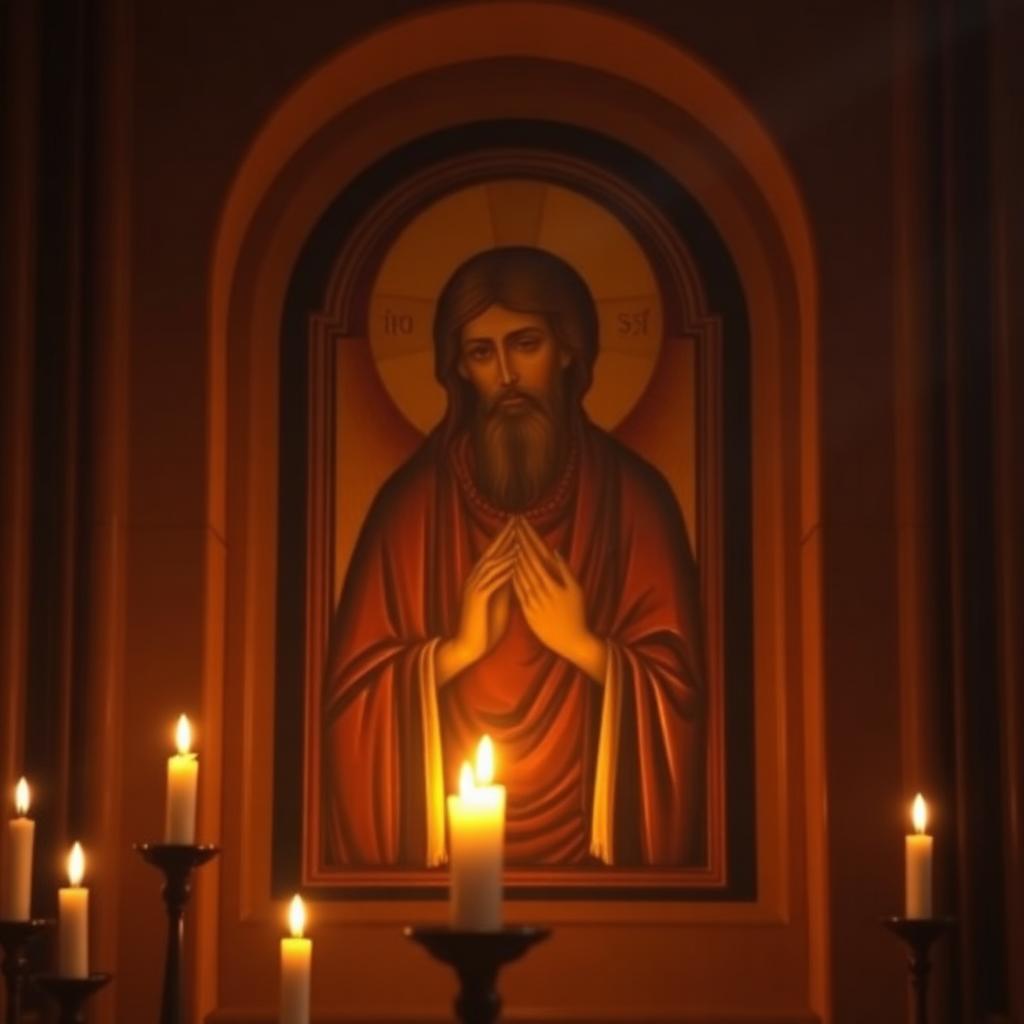
The contemplative lineage of Christianity, Meister Eckhart, Teresa of Ávila, John of the Cross.
- Curated companion
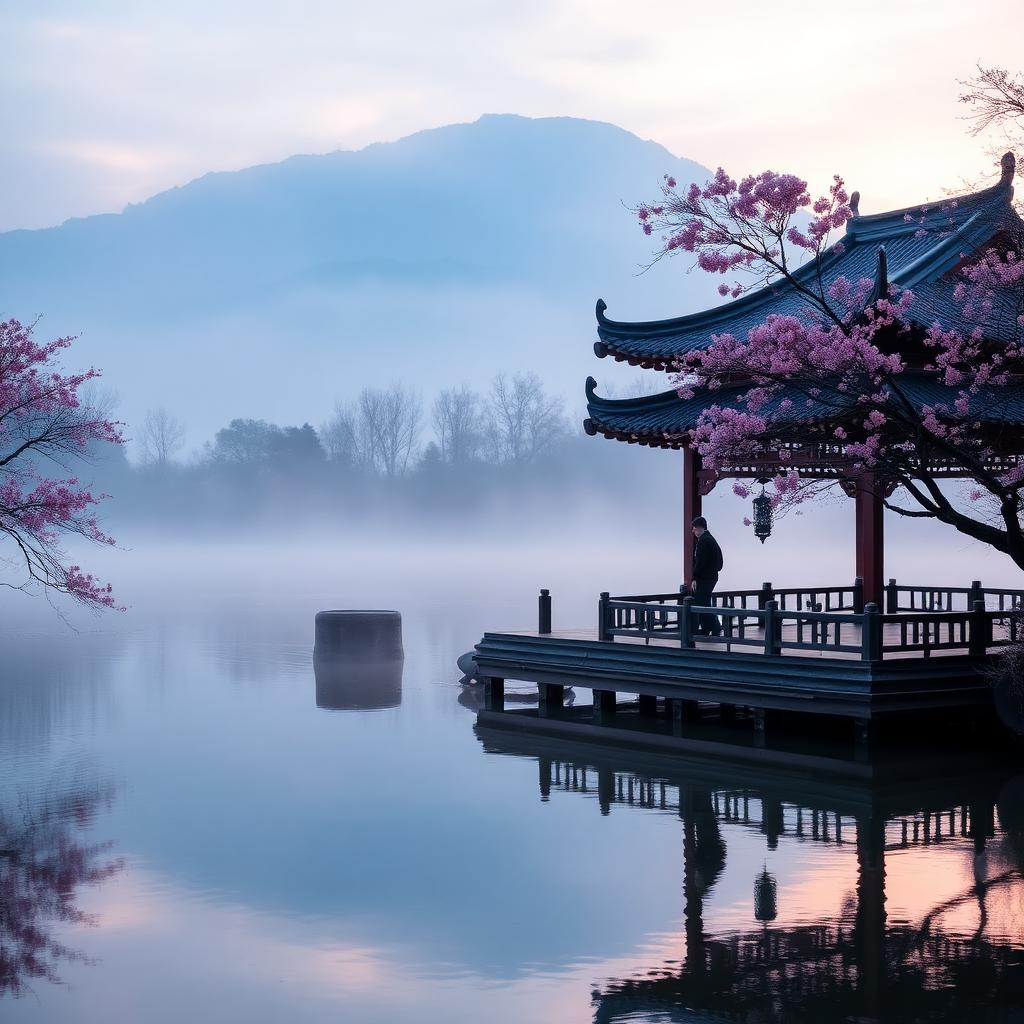
A Chinese moving meditation and internal martial art, studied for balance and stress.
- Similar practices: daily, teacher, practice, before
- Same tradition type

A broad family of practices using conscious breathing to shift emotion and physiology.
- Similar practices: daily, before, practice
- Same region (Global)