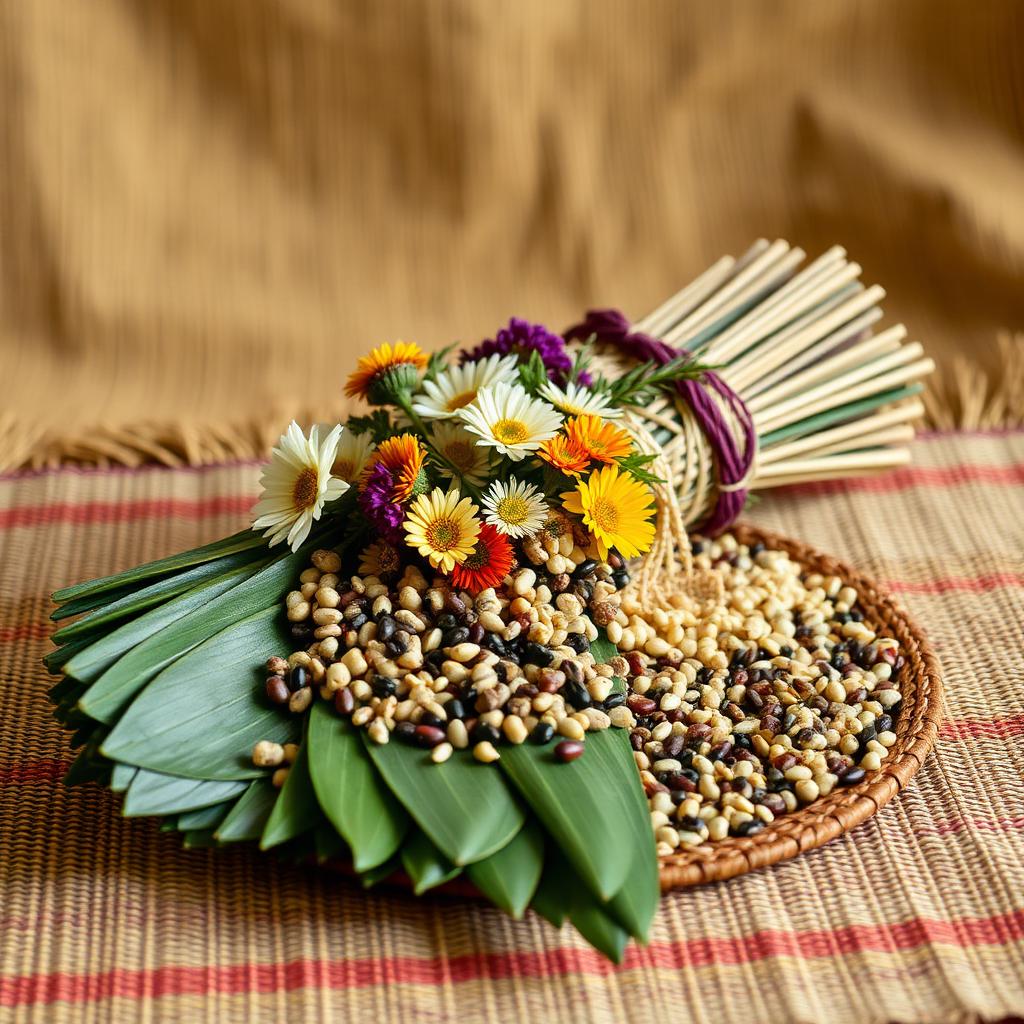
🌸Despacho Ceremonies
Andean offerings, beautifully arranged prayers of gratitude and reciprocity with the living Earth.
Imagery evoking Despacho Ceremonies, Andean offerings, beautifully arranged prayers of gratitude and reciprocity with the living Earth.
Symbolic imagery, generated with respect. No sacred ceremony or living person depicted.
A despacho is a beautifully arranged offering of prayers, made on a paper or cloth with dozens of small items (coca leaves, seeds, flowers, sweets, wine, colored strings, silver and gold paper). Each item carries a meaning; the paqo (priest) or lay maker builds it while praying for the specific intention. When complete, it is folded, blessed, and burned or buried, releasing the prayers to Pachamama and the apus.
Lineage: Andean paqo lineage.
Ceremonies $50, $250 depending on practitioner.
Estimates only. Many traditions offer sliding-scale, donation, or community access; sacred ceremonies are never for sale.
Distinguishing cultural belief, traditional practice, and evidence-supported effect where applicable.
Psychological
The hours of quiet building are themselves meditative.
Spiritual
Gives shape to prayer; makes gratitude and request tangible.
Community
Often built by a group praying together.
Areas of possible support, not guarantees or medical claims.
- People at a life threshold
- Groups needing shared prayer
- Learning basic despacho form with a teacher
- Making a small despacho for a specific intention
- Burning or burying it with prayer
What to know before exploring
Traditional practice
This is a living tradition carried through lineage and community. Its value is documented through generations of practitioners rather than clinical trials. Absence of Western studies is not absence of wisdom.
- Herbal preparations and dosing. Herbs, tinctures, teas, and topical preparations can be gentle and powerful at the same time. They may interact with prescription medications or affect blood pressure, the liver, kidneys, or allergies. Quality and sourcing matter, so work with a knowledgeable practitioner and share your medication list.
- Intense heat, cold, or altitude. Sweat lodges, saunas, banyas, hammams, cold plunges, and high-altitude ceremonies can be clarifying, but they also place real strain on the heart, blood pressure, and thermoregulation. Honor your limits and take breaks; these are not practices to push through.
- Financial and spiritual exploitation risk. Sacred traditions can attract people who charge steep fees or claim exclusive spiritual authority. Trustworthy teachers welcome questions, encourage outside support, and never pressure you to pay for more than you can afford.
- Cultural appropriation and closed practices. Elements of this tradition may be reserved for initiated practitioners or community members. Approach as a respectful learner, not a consumer, and never present the practice as your own.
This information is shared as general education, not medical advice. The safest path is to share your full health story and current medications with both the practitioner and your regular healthcare provider before beginning something new.
If I made a prayer today with my hands, not my thoughts, what would it hold?
What am I grateful for that I have never said out loud?
Written in the spirit of this tradition, held as invitations, not instructions. Take what serves your reflection.
What am I ready to release, and what am I asking to grow?
What am I in reciprocity with, and where has that gone quiet?
For whom would I want to make a beautiful offering today?
Engaging with respect
Ideally learn from a paqo. Do not commercialize the form.
Traditions that share needs, practices, or cultural context with this one. Explore with respect for each lineage's origins.
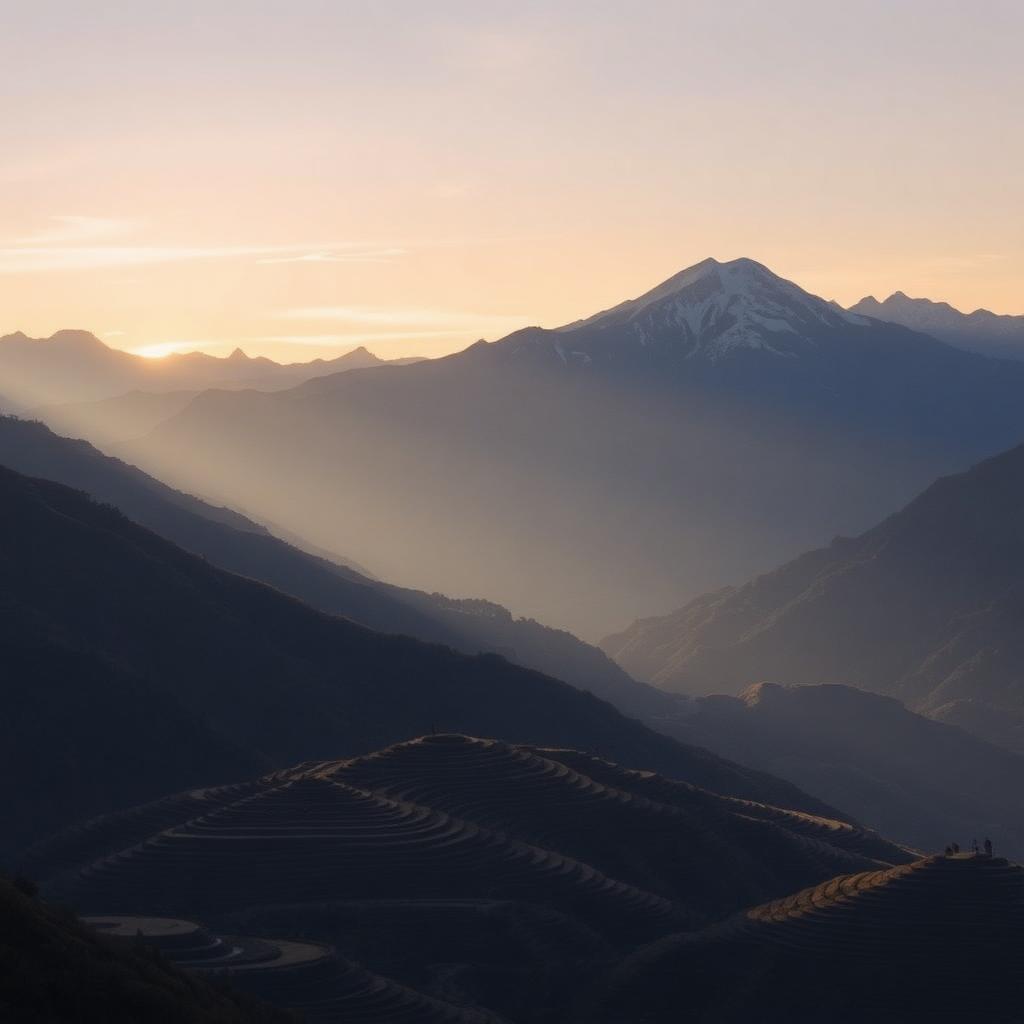
The living cosmology and healing of the Andes, Pachamama, apus, and the reciprocity of ayni.
- Curated companion
- Shared needs: grief
- Similar practices: despacho
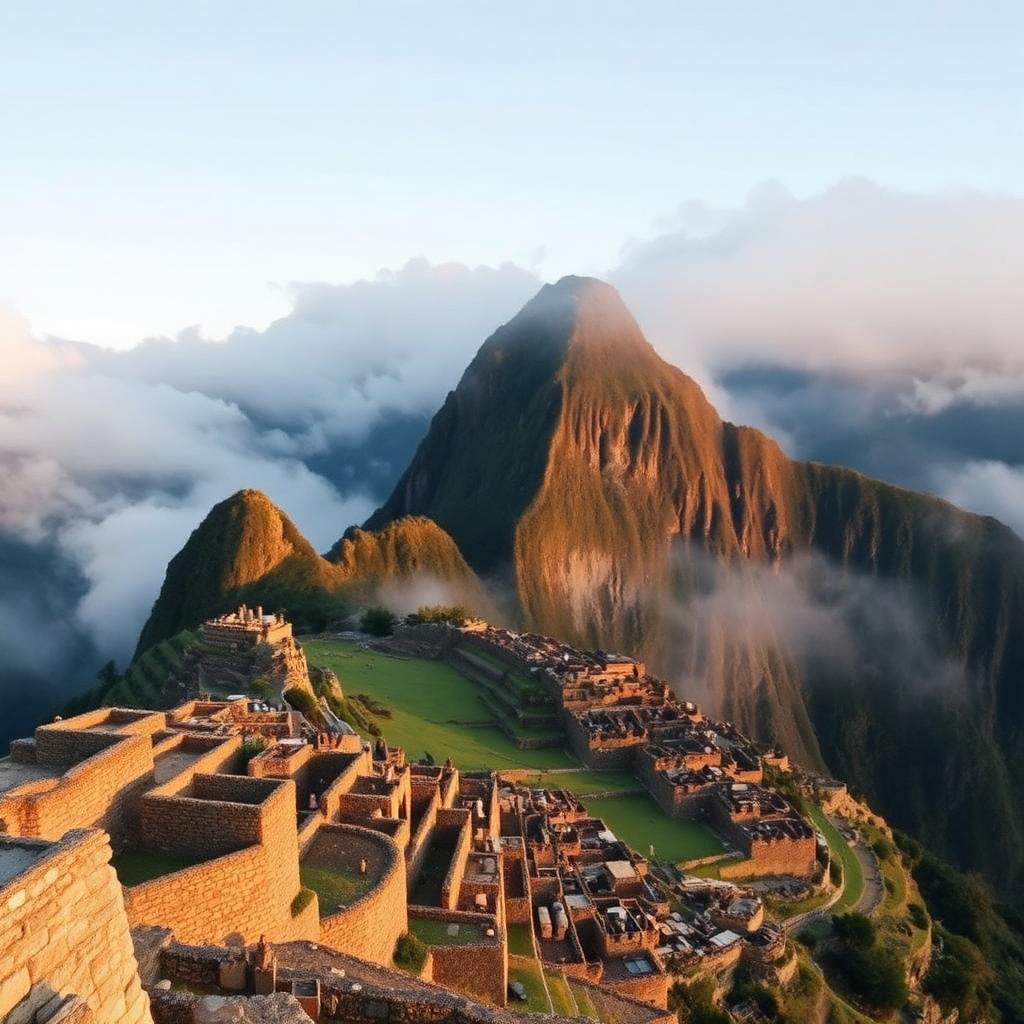
The prophetic and philosophical inheritance of the Inca and pre-Inca peoples of the Andes.
- Curated companion
- Same region (South America)
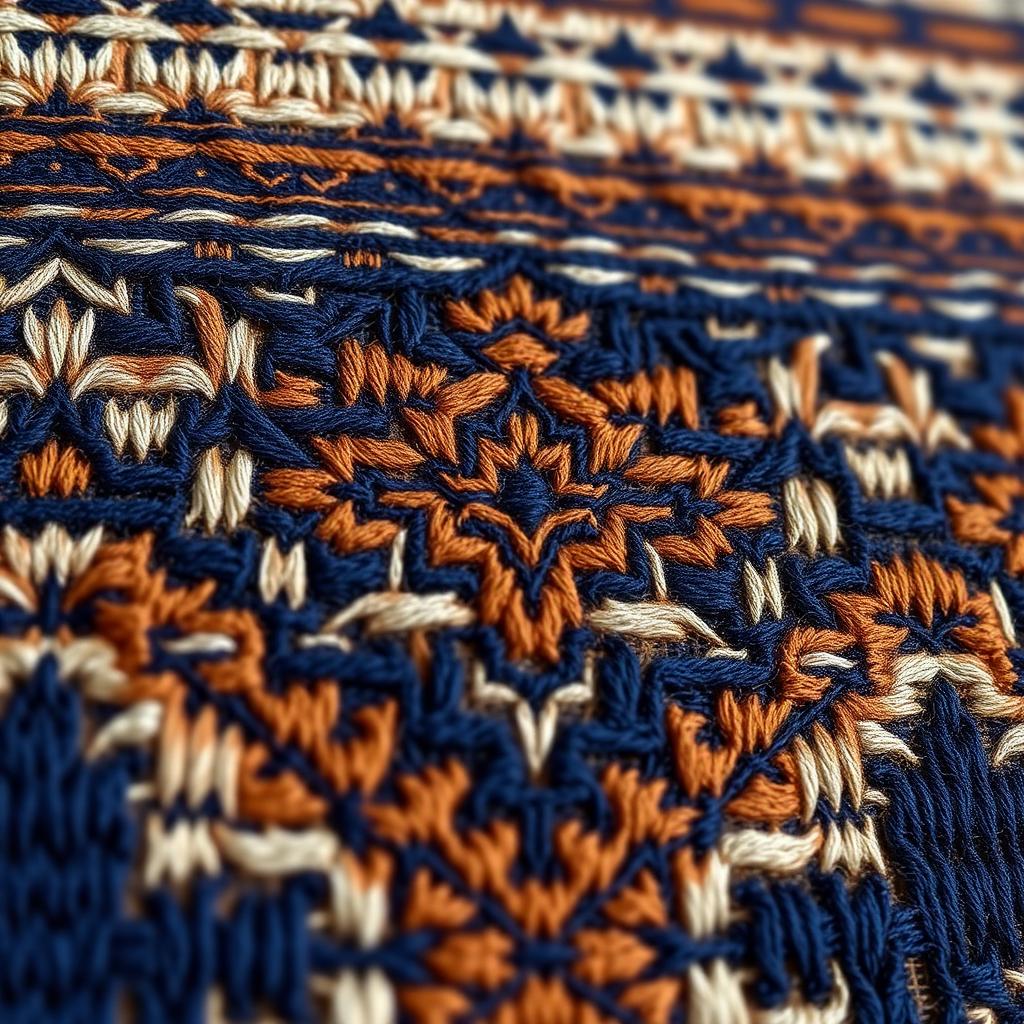
The intricate visionary art, song (icaros), and plant medicine of the Shipibo-Conibo of the Amazon.
- Shared needs: grief
- Similar practices: teacher
- Same region (South America)
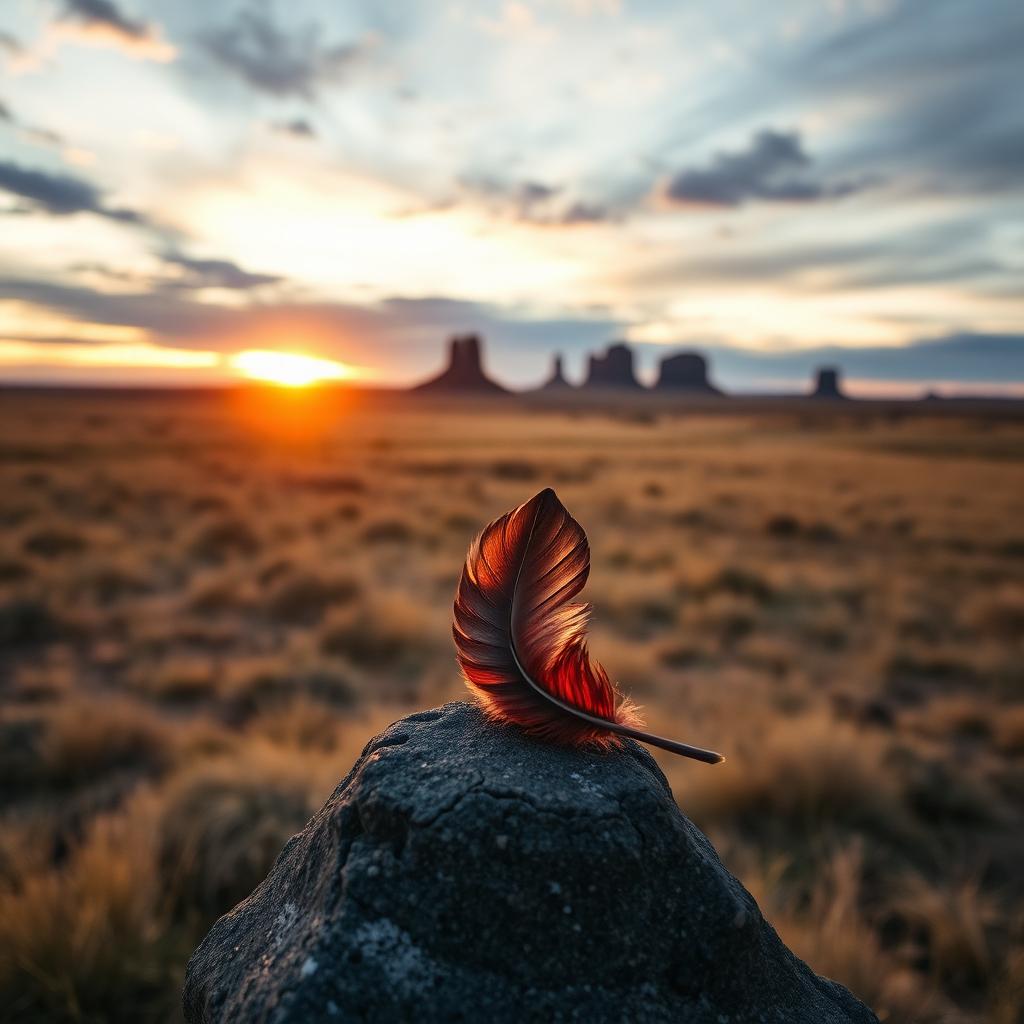
A vast family of Indigenous North American healing traditions, each nation with its own sacred practice.
- Shared needs: grief
- Similar practices: prayer, specific
- Same tradition type
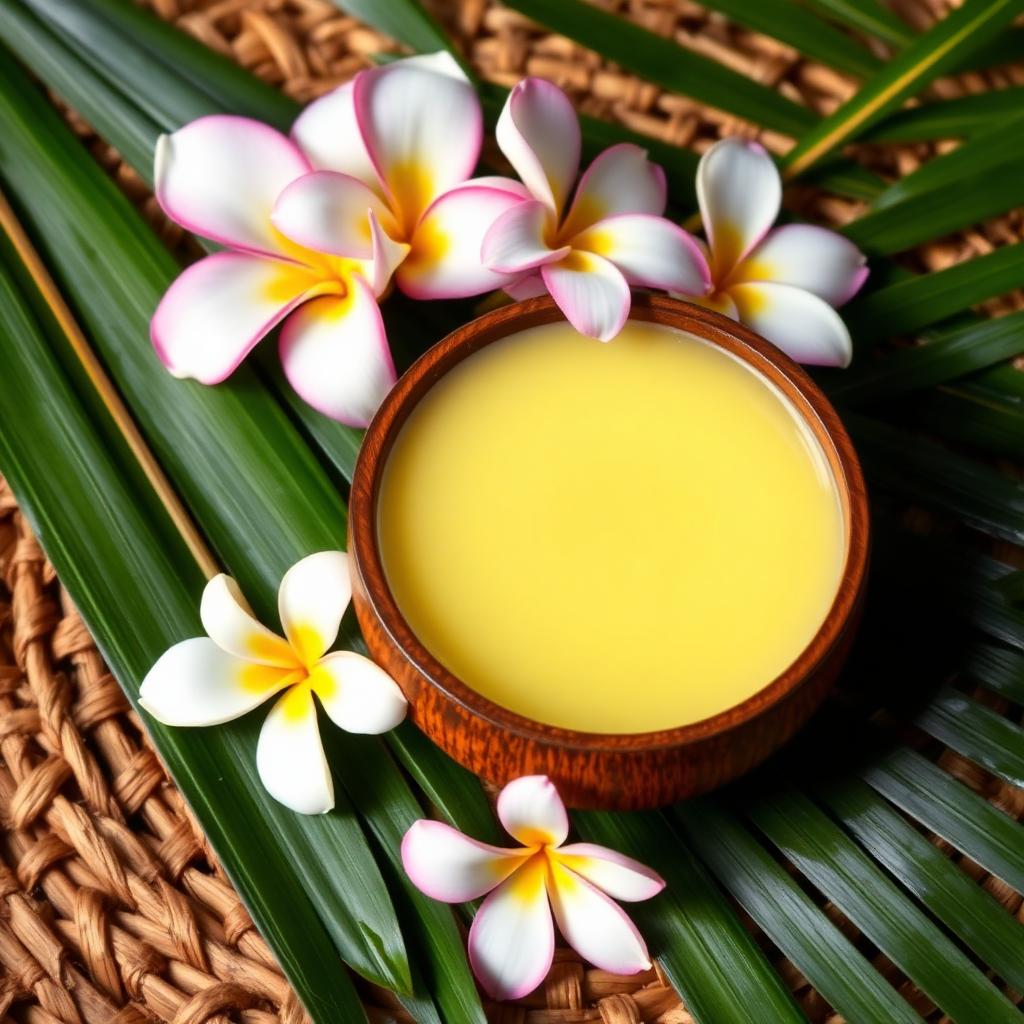
Traditional Native Hawaiian bodywork, a prayerful, flowing, whole-body practice.
- Shared needs: grief
- Similar practices: learning, basic
- Same tradition type

The many Melanesian, Micronesian, and Polynesian healing traditions of the wider Pacific.
- Shared needs: grief
- Similar practices: learning, specific
- Same tradition type