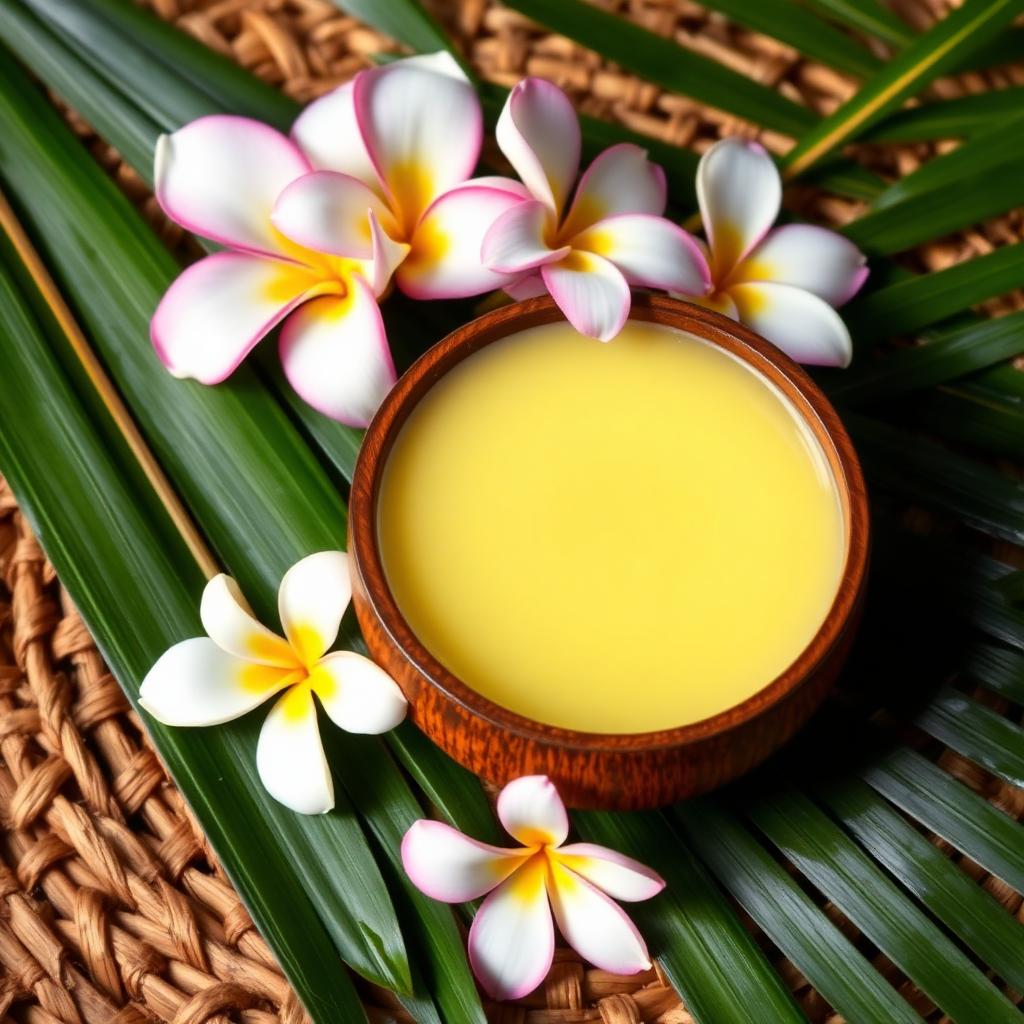
🌊Lomi Lomi
Traditional Native Hawaiian bodywork, a prayerful, flowing, whole-body practice.
Imagery evoking Lomi Lomi, Traditional Native Hawaiian bodywork, a prayerful, flowing, whole-body practice.
Symbolic imagery, generated with respect. No sacred ceremony or living person depicted.
Lomi Lomi is traditional Native Hawaiian bodywork, done with the full forearms in long flowing strokes, often accompanied by prayer (pule) and chant (oli). Practitioners traditionally train through family lineage or under a kumu (teacher). It is a prayerful practice, not a spa massage, though its outer form has been widely commercialized without lineage.
Traditional practitioners $120, $250/session.
Estimates only. Many traditions offer sliding-scale, donation, or community access; sacred ceremonies are never for sale.
Distinguishing cultural belief, traditional practice, and evidence-supported effect where applicable.
Emotional
The presence of aloha changes the felt sense of being touched.
Spiritual
Prayer and chant carry the session.
Physical
Long flowing bodywork releases patterned tension.
- Receiving Lomi Lomi from a Hawaiian-trained practitioner
- Learning basic self-care oil practice
- Supporting Native Hawaiian cultural preservation
What to know before exploring
Traditional practice
This is a living tradition carried through lineage and community. Its value is documented through generations of practitioners rather than clinical trials. Absence of Western studies is not absence of wisdom.
- Herbal preparations and dosing. Herbs, tinctures, teas, and topical preparations can be gentle and powerful at the same time. They may interact with prescription medications or affect blood pressure, the liver, kidneys, or allergies. Quality and sourcing matter, so work with a knowledgeable practitioner and share your medication list.
- Cultural appropriation and closed practices. Some elements are closed to outsiders or reserved for initiated practitioners. Participating without invitation, or teaching without lineage, can harm living communities and weaken the practice itself. Approach as a respectful learner, not a consumer.
This information is shared as general education, not medical advice. The safest path is to share your full health story and current medications with both the practitioner and your regular healthcare provider before beginning something new.
What in my body has been holding grief with no place to give it?
How does prayer through hands feel different?
Written in the spirit of this tradition, held as invitations, not instructions. Take what serves your reflection.
Where in my body do I still hold breath that is not mine?
What would loving hands, guided by prayer, want to release from me?
Who in my life practices aloha as a verb, not just a word?
Engaging with respect
Seek practitioners who trained with Native Hawaiian teachers and honor the prayer dimension.
Traditions that share needs, practices, or cultural context with this one. Explore with respect for each lineage's origins.
A Native Hawaiian practice of forgiveness, reconciliation, and setting relationships right.
- Curated companion
- Shared needs: grief
- Similar practices: native, hawaiian, practice
Thai massage (Nuad Boran) and Buddhist folk medicine of Southeast Asia.
- Curated companion
- Shared needs: muscle tension, postpartum recovery
The mountain and desert medicine of the Amazigh peoples of North Africa.
- Curated companion
- Shared needs: postpartum recovery
- Same tradition type
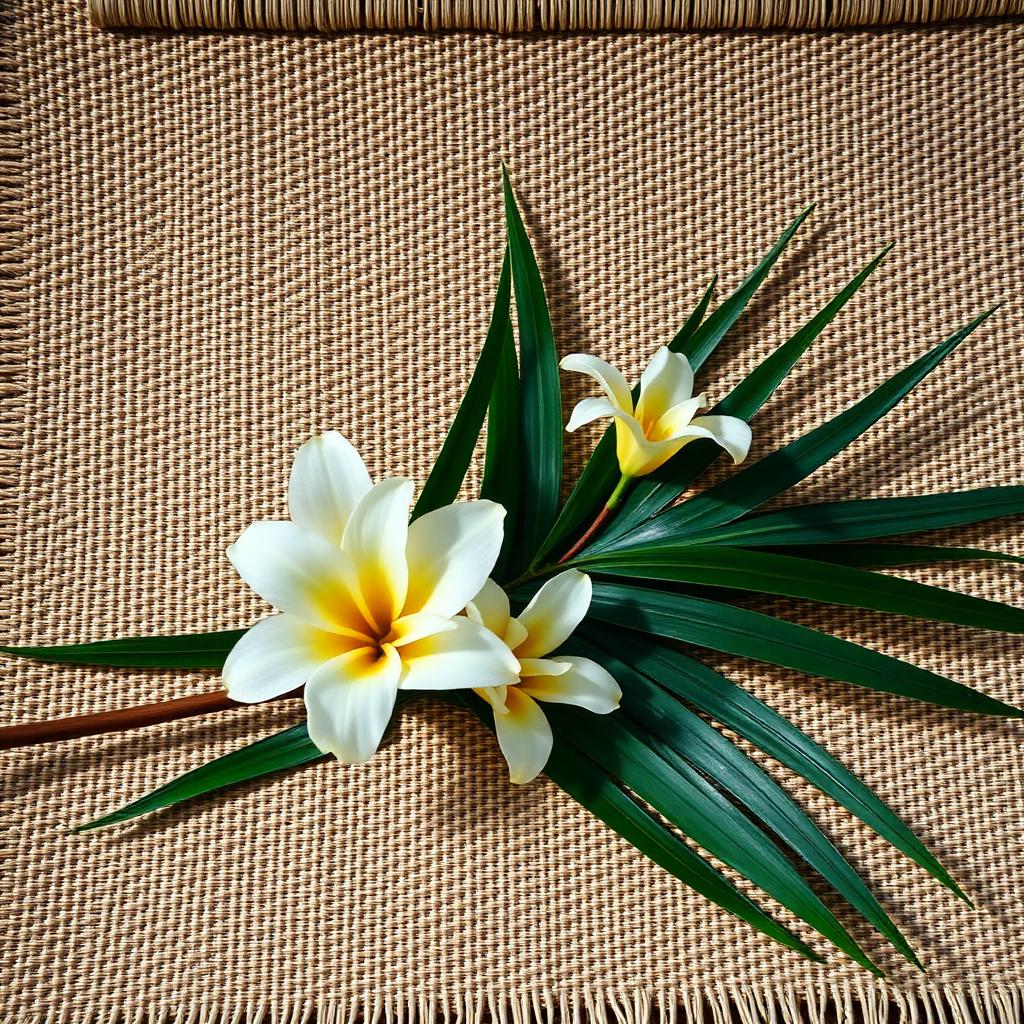
The traditional Samoan massage and bone-setting held within the aiga (extended family).
- Shared needs: postpartum recovery
- Similar practices: receiving, learning, basic, lomi
- Same region (Oceania)
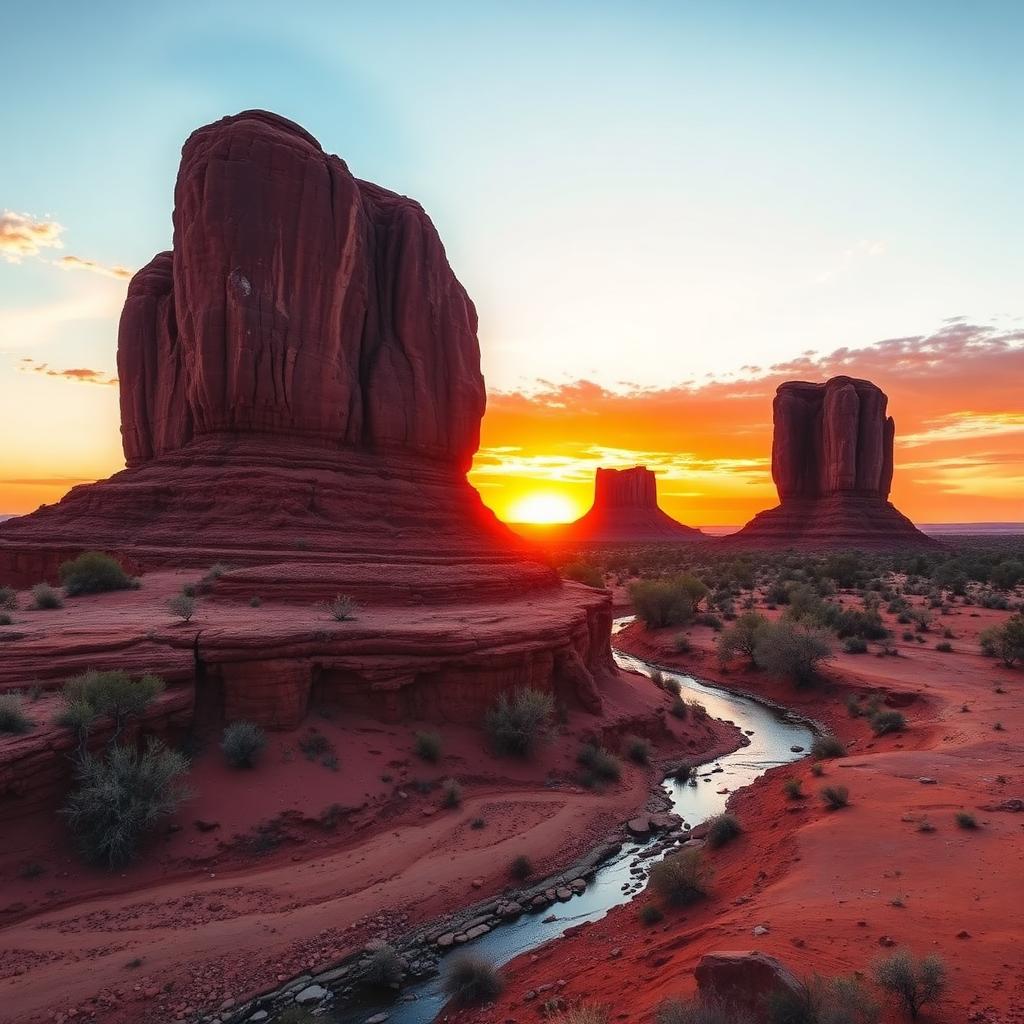
The living cosmology of Aboriginal Australia, Country, ancestors, and songlines held for 60,000+ years.
- Shared needs: grief
- Similar practices: learning, cultural, supporting
- Same region (Oceania)
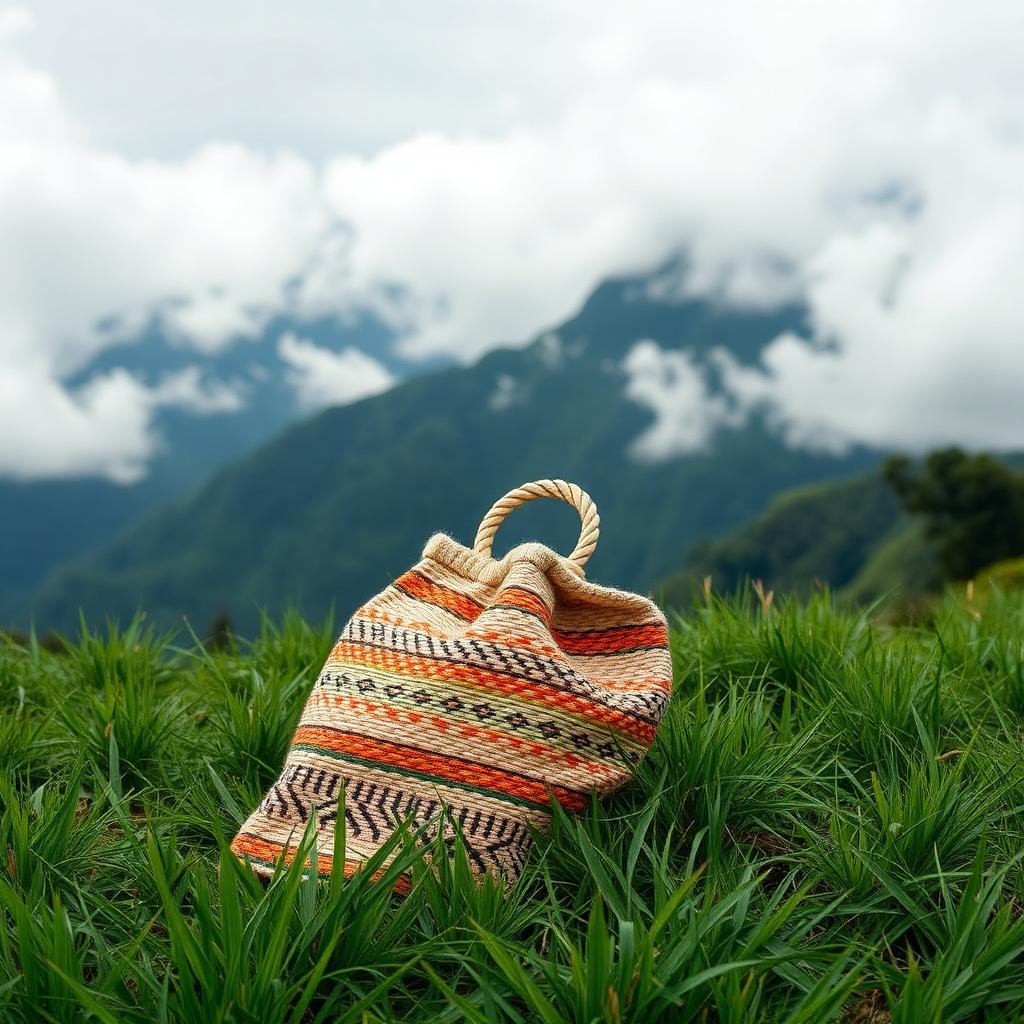
Hundreds of language-groups, each with its own plant, ancestor, and initiation medicine.
- Shared needs: grief
- Similar practices: learning, supporting, cultural
- Same region (Oceania)