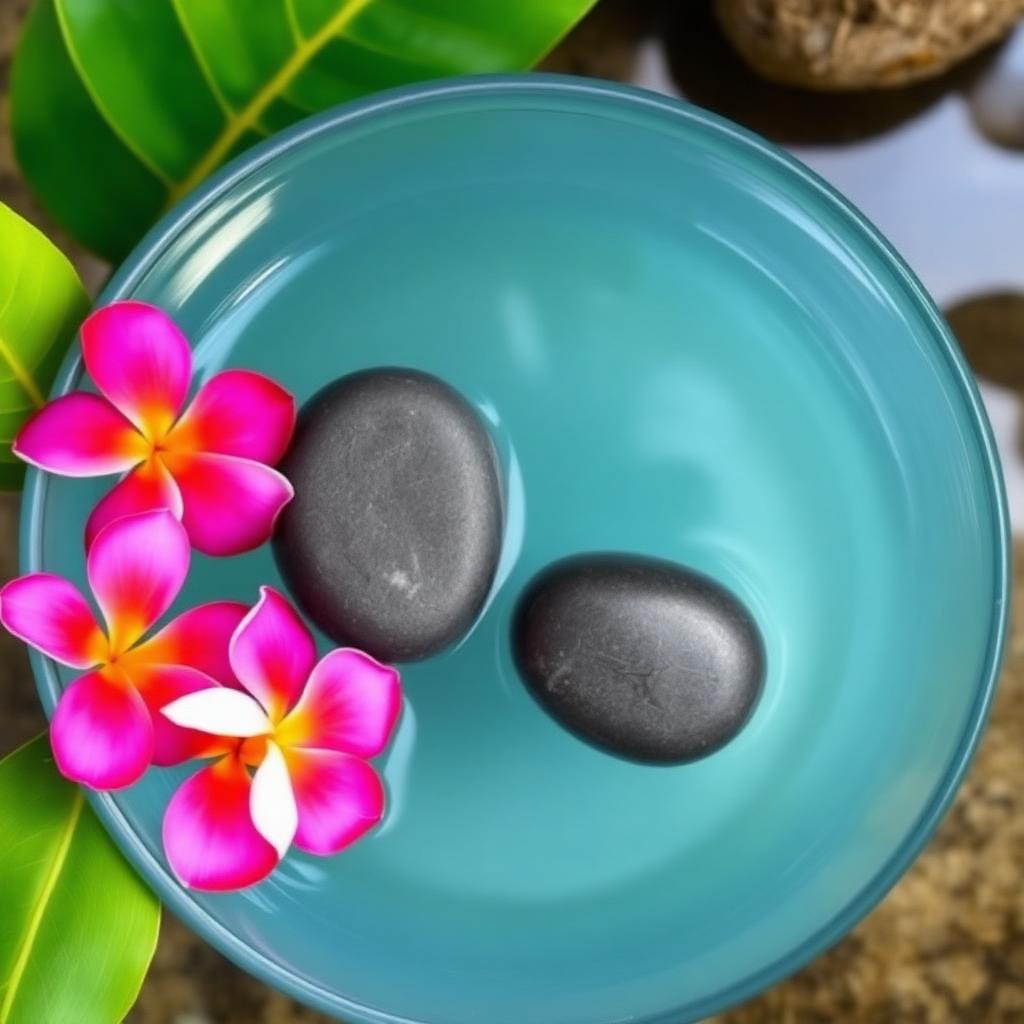
🌺Hoʻoponopono
A Native Hawaiian practice of forgiveness, reconciliation, and setting relationships right.
Imagery evoking Hoʻoponopono, A Native Hawaiian practice of forgiveness, reconciliation, and setting relationships right.
Symbolic imagery, generated with respect. No sacred ceremony or living person depicted.
Hoʻoponopono is the traditional Native Hawaiian practice of forgiveness and reconciliation, held by a haku (leader) with a family gathered to speak grievances, seek forgiveness, and restore right relationship. The traditional form is family-based ceremony. A simplified individual version popularized by Ihaleakalá Hew Len uses four sentences: I'm sorry. Please forgive me. Thank you. I love you. Honor the difference between the two.
Group sessions often free; workshops $50, $200.
Estimates only. Many traditions offer sliding-scale, donation, or community access; sacred ceremonies are never for sale.
Distinguishing cultural belief, traditional practice, and evidence-supported effect where applicable.
Emotional
Naming, apologizing, and asking release move stuck feelings.
Psychological
Simple four-sentence version is a portable self-soothing practice.
Community
Traditional form repairs family.
- Traditional hoʻoponopono led by a Native Hawaiian haku (for family conflict)
- The four-sentence individual practice as personal prayer
- Reading Pali Jae Lee's Ho'oponopono for context
What to know before exploring
Traditional practice
This is a living tradition carried through lineage and community. Its value is documented through generations of practitioners rather than clinical trials. Absence of Western studies is not absence of wisdom.
- Financial and spiritual exploitation risk. Sacred traditions can attract people who charge steep fees or claim exclusive spiritual authority. Trustworthy teachers welcome questions, encourage outside support, and never pressure you to pay for more than you can afford.
- Cultural appropriation and closed practices. Elements of this tradition may be reserved for initiated practitioners or community members. Approach as a respectful learner, not a consumer, and never present the practice as your own.
- Active PTSD or unprocessed severe trauma. Immersive, ceremonial, and altered-state work can surface traumatic memories without warning. If you are living with active PTSD, build a relationship with a trauma-informed licensed clinician first, and choose practitioners trained to hold trauma responses gently.
This information is shared as general education, not medical advice. The safest path is to share your full health story and current medications with both the practitioner and your regular healthcare provider before beginning something new.
What relationship needs the traditional ceremony that I have never sought?
What in me needs to hear 'I forgive you' from my own mouth?
Written in the spirit of this tradition, held as invitations, not instructions. Take what serves your reflection.
Where in me is the residue of an unfinished conversation?
What would it feel like to release what I have been holding against myself?
To whom would I like to say: I am sorry, please forgive me, thank you, I love you?
Engaging with respect
The individual four-sentence version is a small piece of a much larger tradition; do not conflate it with a family ceremony that requires a trained haku.
Traditions that share needs, practices, or cultural context with this one. Explore with respect for each lineage's origins.
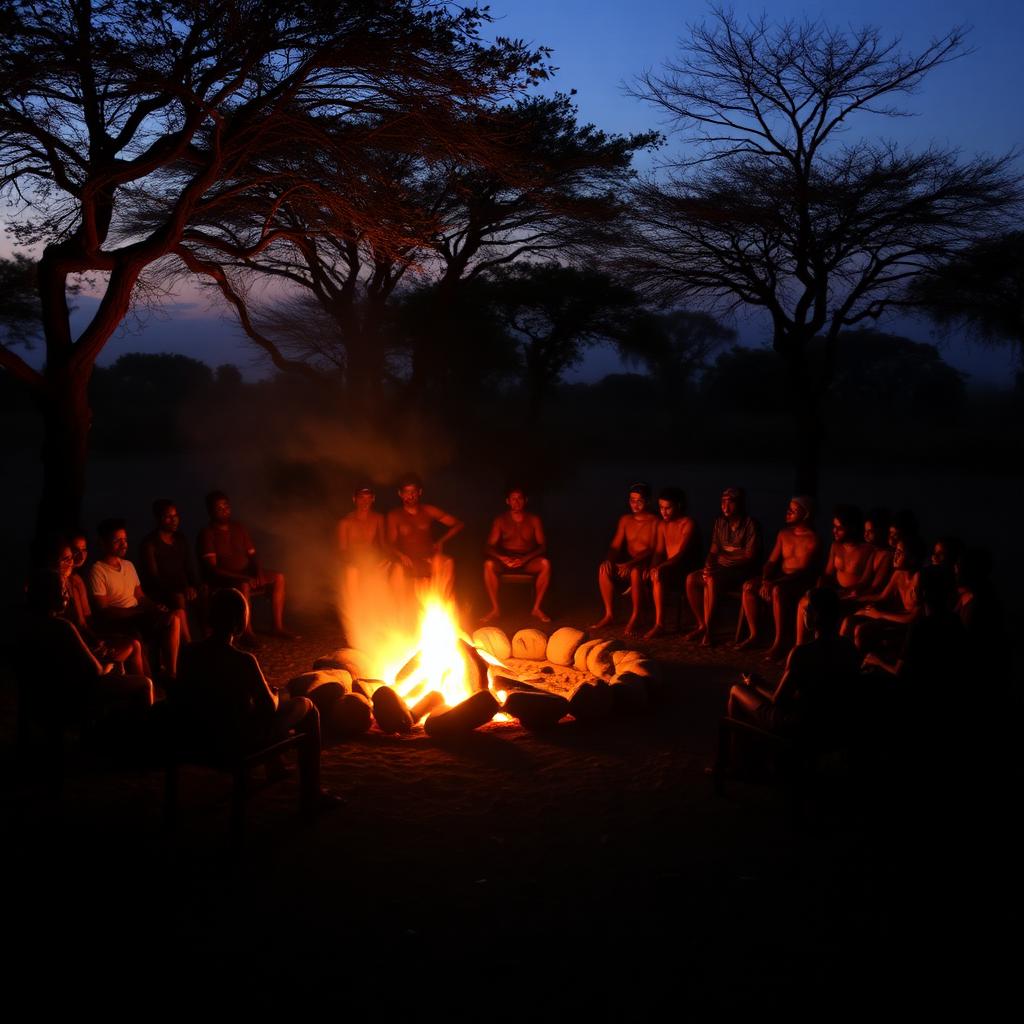
Communal ceremonies that hold grief, reconciliation, and life passages across many African peoples.
- Curated companion
- Shared needs: grief, reconciliation
- Same tradition type

An approach from Michael White and David Epston that separates the person from the problem.
- Curated companion
- Shared needs: family conflict
- Same region (Oceania)
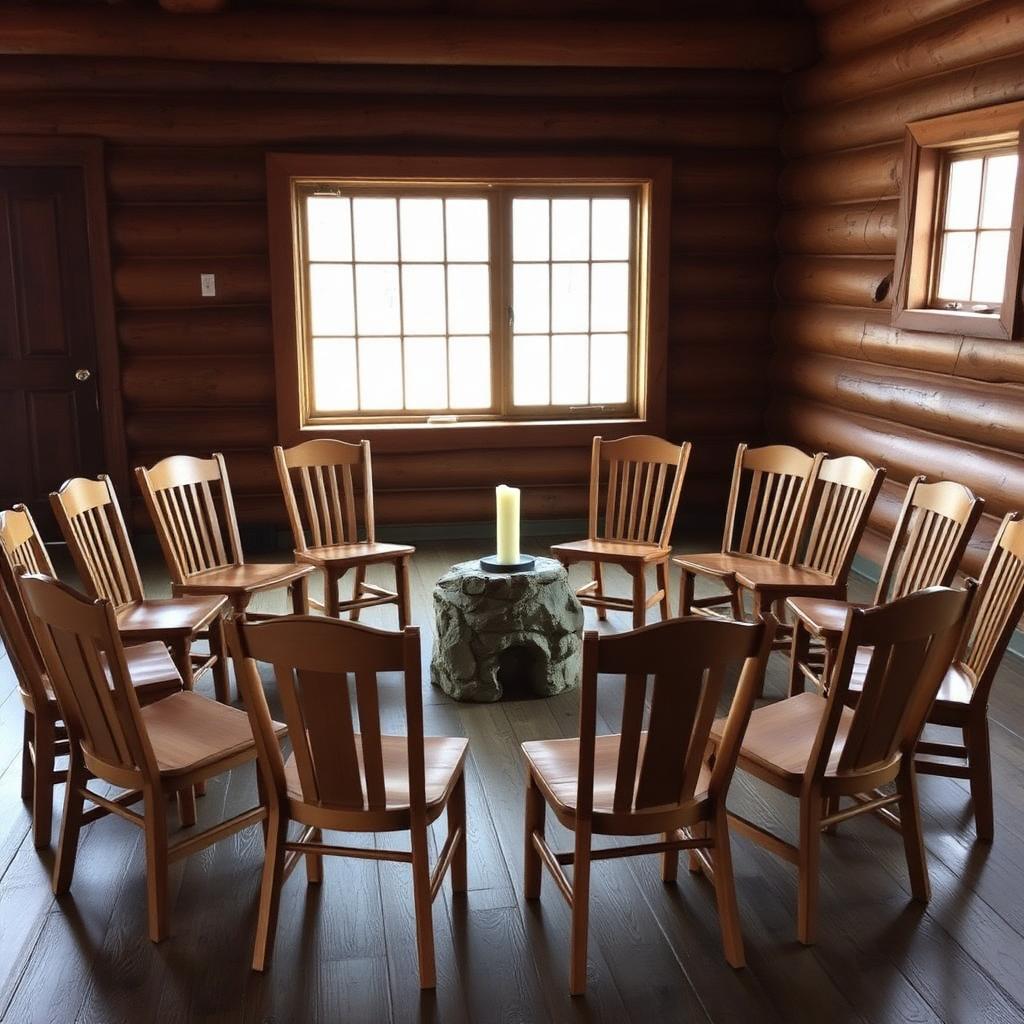
A Council practice in which each person speaks and is heard in turn, holding the whole group.
- Curated companion
- Shared needs: grief
- Same tradition type

The healing traditions of the Māori people of Aotearoa, where wellbeing is the balance of body, mind, spirit, and whānau.
- Shared needs: grief
- Similar practices: prayer, native, traditional
- Same region (Oceania)
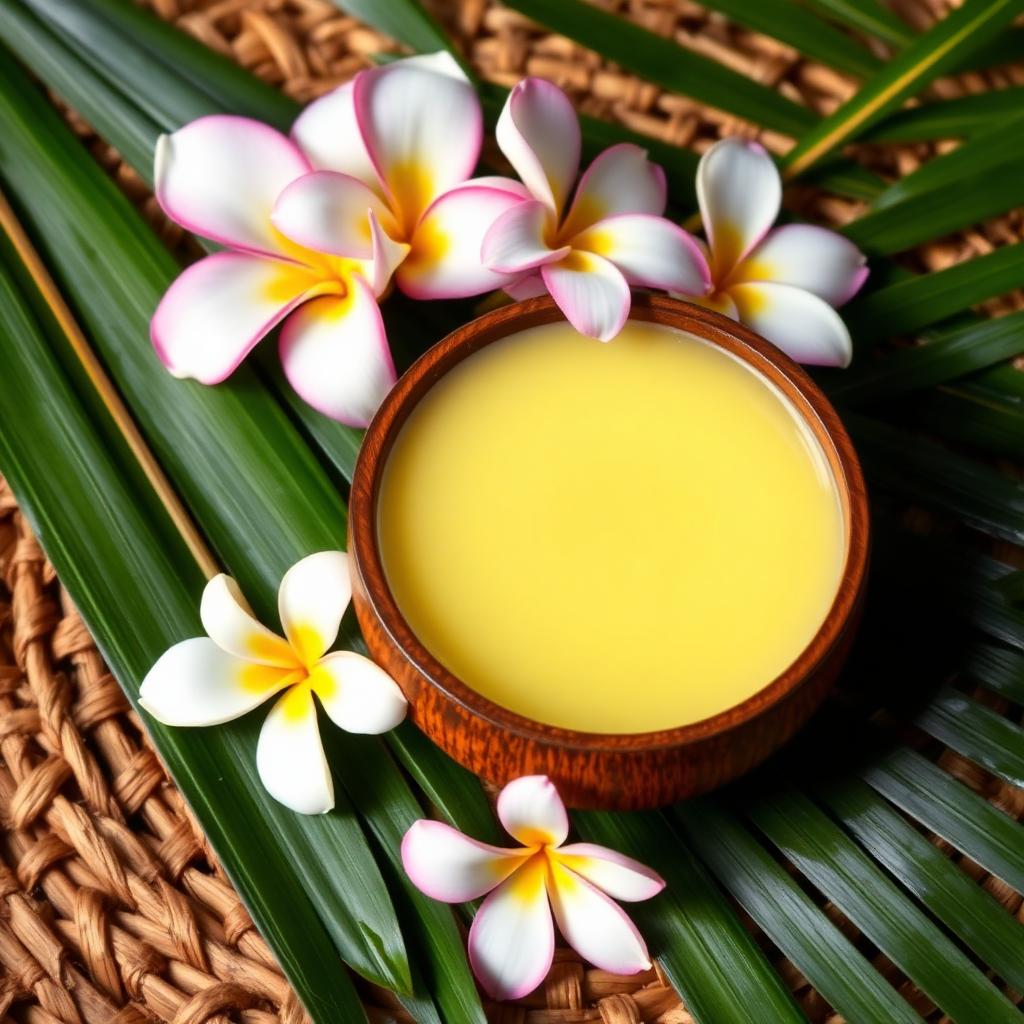
Traditional Native Hawaiian bodywork, a prayerful, flowing, whole-body practice.
- Shared needs: grief
- Similar practices: practice, native, hawaiian
- Same region (Oceania)

The oldest continuous healing tradition on Earth, the San n/om dance of the Kalahari.
- Shared needs: grief, reconciliation
- Same tradition type