🌿Māori Healing (Rongoā Māori)
The healing traditions of the Māori people of Aotearoa, where wellbeing is the balance of body, mind, spirit, and whānau.
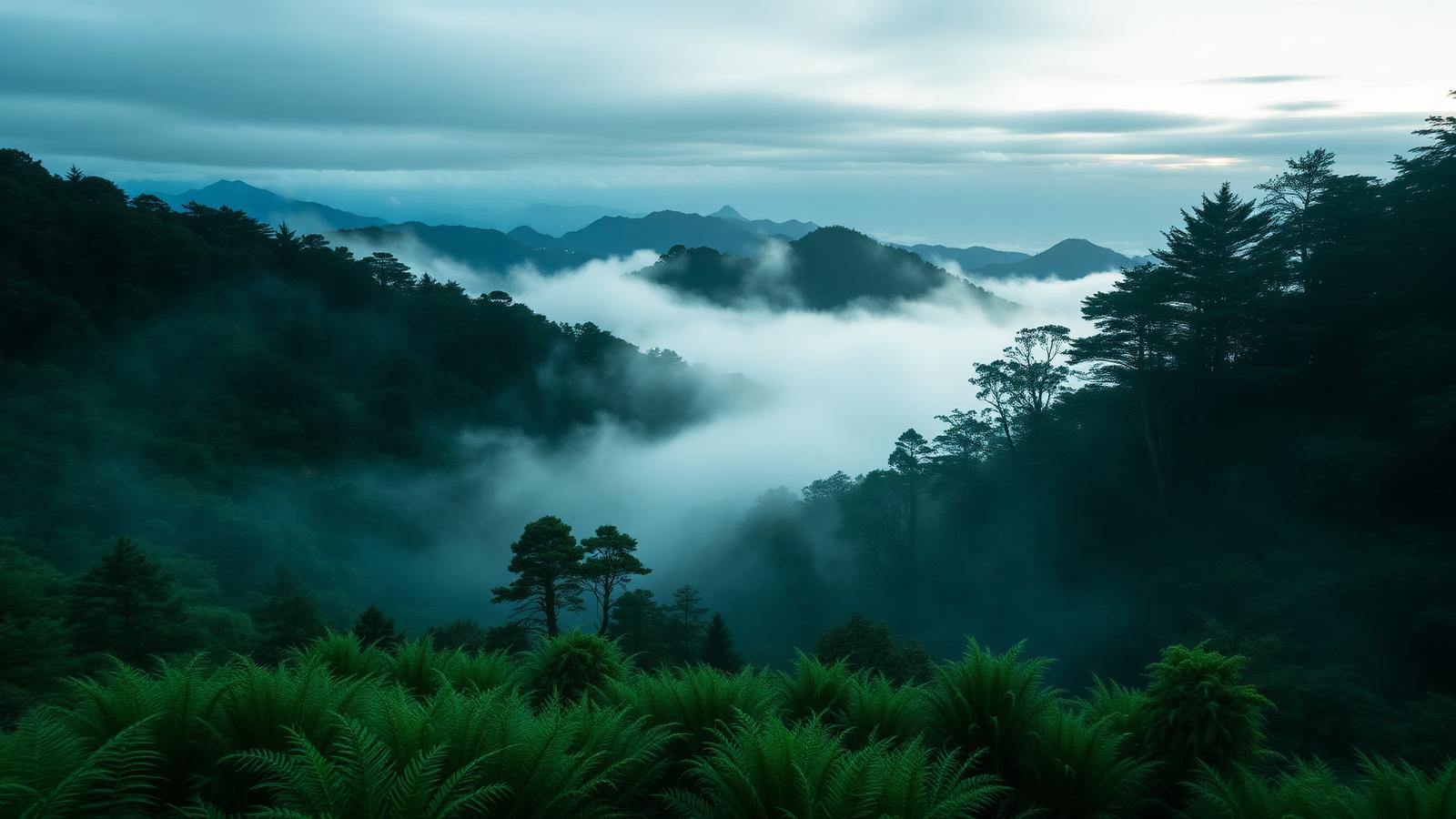
Mist rising over native forest in Aotearoa. Māori healing is inseparable from whenua, the land itself.
Landscape imagery of Aotearoa New Zealand. Ceremony is not depicted.
Rongoā Māori is the traditional healing system of the Māori people of Aotearoa (New Zealand). It weaves rongoā rākau (plant medicine from native trees such as kawakawa, mānuka, and harakeke), mirimiri (bodywork), karakia (sacred prayer and incantation), and wai (sacred waters). Underlying it is Te Whare Tapa Whā, the four-walled house of wellbeing: taha tinana (body), taha hinengaro (mind and emotions), taha wairua (spirit), and taha whānau (family). If any wall is weak, the whole house is weak. The tradition is being publicly reclaimed after generations of colonial suppression.
Lineage: Tohunga (specialists) and rongoā practitioners, iwi (tribal) knowledge holders.
Access through iwi-recognized practitioners.
Estimates only. Many traditions offer sliding-scale, donation, or community access; sacred ceremonies are never for sale.
Distinguishing cultural belief, traditional practice, and evidence-supported effect where applicable.
Emotional
Karakia and the presence of whānau make space for pain to be witnessed within a container of relationship.
Psychological
Te Whare Tapa Whā is now taught in New Zealand schools and clinics as a whole-person model of health, a widely respected indigenous psychology.
Spiritual
Reconnects the person to atua (spiritual forces), tūpuna (ancestors), and whenua (land).
Community
Healing is a whānau (extended family) event, never only the individual's problem.
Physical
Mirimiri bodywork and native plant medicine act on the body.
Nervous system
Waiata (song), karakia, and being in ancestral lands settle the nervous system through belonging.
Areas of possible support, not guarantees or medical claims.
- Māori and other Indigenous people returning to traditional care
- People carrying inherited grief or cultural dislocation
- Anyone seeking a whole-person framework beyond mind/body dualism
- Karakia (prayer and incantation)
- Rongoā rākau (native plant medicine)
- Mirimiri (traditional bodywork)
- Waiata (song) and pōwhiri (welcome ritual)
- Whakawhanaungatanga, the deliberate building of relationship
What to know before exploring
Traditional practice
This is a living tradition carried through lineage and community. Its value is documented through generations of practitioners rather than clinical trials. Absence of Western studies is not absence of wisdom.
- Psychoactive plant or substance use. Some traditions include plants or brews that can alter consciousness, such as ayahuasca, peyote, iboga, kambo, psilocybin, cannabis, or datura. These can interact with medications (especially SSRIs and MAOIs), heart conditions, and other prescriptions, and may bring up strong physical or emotional responses. This is a space for extra care, preparation, and trained guidance.
- Herbal preparations and dosing. Herbs, tinctures, teas, and topical preparations can be gentle and powerful at the same time. They may interact with prescription medications or affect blood pressure, the liver, kidneys, or allergies. Quality and sourcing matter, so work with a knowledgeable practitioner and share your medication list.
- Trance, possession, and altered states. Drumming, dance, and possession-based ceremonies can open non-ordinary states that feel profound but may be destabilizing for people with a personal or family history of psychosis, bipolar, dissociation, or acute trauma. Go slowly and honestly, with trustworthy support.
- Financial and spiritual exploitation risk. Sacred traditions can attract people who charge steep fees or claim exclusive spiritual authority. Trustworthy teachers welcome questions, encourage outside support, and never pressure you to pay for more than you can afford.
- Cultural appropriation and closed practices. Some elements are closed to outsiders or reserved for initiated practitioners. Participating without invitation, or teaching without lineage, can harm living communities and weaken the practice itself. Approach as a respectful learner, not a consumer.
This information is shared as general education, not medical advice. The safest path is to share your full health story and current medications with both the practitioner and your regular healthcare provider before beginning something new.
Which wall of my whare, body, mind, spirit, whānau, is thin right now?
Who are my people, and when did I last sit with them long enough to be known?
What land am I on, and what do I owe it?
Written in the spirit of this tradition, held as invitations, not instructions. Take what serves your reflection.
Where am I out of balance across taha wairua, hinengaro, tinana, and whānau?
What is my whakapapa, and how does it walk with me?
Which whānau, born or chosen, is my true belonging place?
Engaging with respect
Rongoā Māori is held by Māori. Non-Māori are welcome to learn the framework of Te Whare Tapa Whā and to receive care from Māori practitioners, but should not present themselves as rongoā practitioners.
Traditions that share needs, practices, or cultural context with this one. Explore with respect for each lineage's origins.

The living cosmology of Aboriginal Australia, Country, ancestors, and songlines held for 60,000+ years.
- Curated companion
- Shared needs: grief, cultural belonging
- Same region (Oceania)
A Native Hawaiian practice of forgiveness, reconciliation, and setting relationships right.
- Curated companion
- Shared needs: grief
- Similar practices: traditional, native, prayer
Traditional Native Hawaiian bodywork, a prayerful, flowing, whole-body practice.
- Curated companion
- Shared needs: grief
- Similar practices: native

The many Melanesian, Micronesian, and Polynesian healing traditions of the wider Pacific.
- Curated companion
- Shared needs: grief
- Same region (Oceania)
The healing wisdom of the Lakota Nation, sweat lodge, pipe, and the sacred circle of Mitákuye Oyás’iŋ, 'all my relations'.
- Shared needs: grief, trauma, identity
- Same tradition type
The intricate visionary art, song (icaros), and plant medicine of the Shipibo-Conibo of the Amazon.
- Shared needs: trauma, grief
- Similar practices: plant
- Same tradition type