🪶Lakota Healing Traditions
The healing wisdom of the Lakota Nation, sweat lodge, pipe, and the sacred circle of Mitákuye Oyás’iŋ, 'all my relations'.
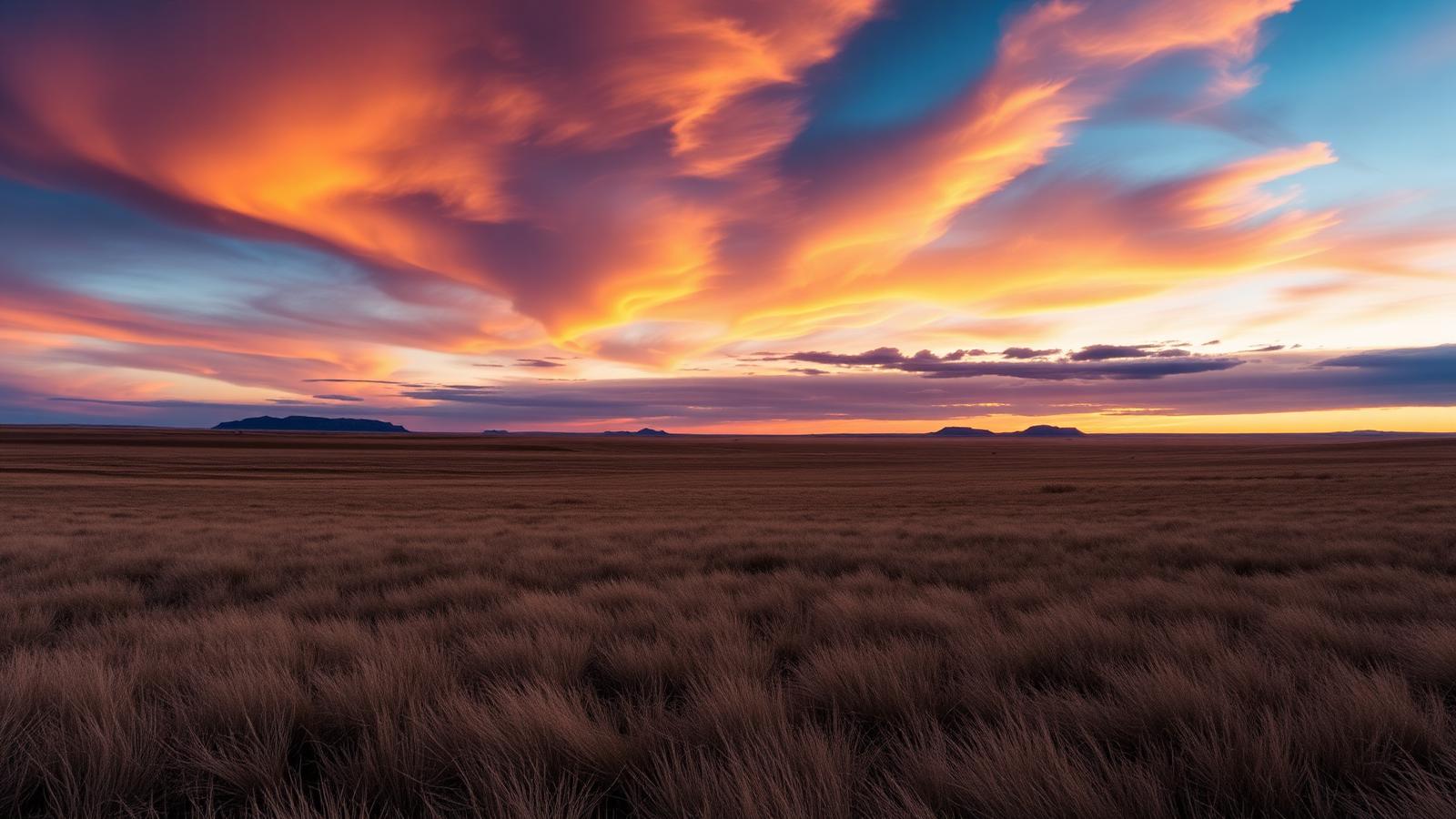
The Great Plains at dusk. Lakota healing is deeply rooted in relationship with this land, sky, and the four directions.
Landscape imagery, generated with respect. Sacred ceremonies are not depicted.
The Lakota, one of the Očhéthi Šakówiŋ (Seven Council Fires) of the Northern Plains of what is now the United States, hold a living body of healing practices grounded in relationship with land, ancestors, and Wakȟáŋ Tȟáŋka (the Great Mystery). Healing is inseparable from ceremony and from the phrase Mitákuye Oyás’iŋ, 'all my relations', the understanding that no one heals alone. Ceremonies such as the Inípi (sweat lodge), Čhaŋnúŋpa (sacred pipe), Haŋbléčheyapi (crying for a vision), and Wíwaŋyaŋg Wačhípi (Sun Dance) return a person to right relationship with self, community, and creation.
Lineage: Carried by Lakota elders, medicine people, and spiritual leaders across generations.
Ceremony access through invitation; no fees for sacred rites.
Estimates only. Many traditions offer sliding-scale, donation, or community access; sacred ceremonies are never for sale.
Distinguishing cultural belief, traditional practice, and evidence-supported effect where applicable.
Emotional
Ceremony makes room for weeping, prayer, and truth-telling in a container held by community and elder.
Psychological
Vision quest and prayer with the pipe restore a sense of direction, a felt answer to 'what am I here for?'
Spiritual
Restores the person's place within the sacred circle of relations, plants, animals, ancestors, land, and the Great Mystery.
Community
Ceremonies are held together. The healing belongs to the people, not to the individual alone.
Physical
The heat of the Inípi, fasting on the hill, and days of dancing engage the body as a full participant in prayer.
Nervous system
Drumming, song, prayer, and sustained ceremonial rhythm regulate the nervous system through community entrainment.
Areas of possible support, not guarantees or medical claims.
- Lakota and other Indigenous people returning to or deepening in their tradition
- People in a spiritual crisis or dark night seeking a container held by elders
- Those grieving losses that individual therapy alone has not been able to hold
- Inípi (sweat lodge)
- Čhaŋnúŋpa (sacred pipe ceremony)
- Haŋbléčheyapi (vision quest)
- Wíwaŋyaŋg Wačhípi (Sun Dance)
- Wóphila (giving thanks) and giveaways
What to know before exploring
Traditional practice
This is a living tradition carried through lineage and community. Its value is documented through generations of practitioners rather than clinical trials. Absence of Western studies is not absence of wisdom.
- Intense heat, cold, or altitude. Sweat lodges, saunas, banyas, hammams, cold plunges, and high-altitude ceremonies can be clarifying, but they also place real strain on the heart, blood pressure, and thermoregulation. Honor your limits and take breaks; these are not practices to push through.
- Long silent or immersive retreat. Multi-day silent retreats, vision quests, and solo wilderness practices can surface intense emotional material with limited access to support. Rare but documented cases include severe anxiety or depersonalization. Prepare with a therapist, trusted contact, and a clear exit plan.
- Financial and spiritual exploitation risk. Sacred traditions can attract people who charge steep fees or claim exclusive spiritual authority. Trustworthy teachers welcome questions, encourage outside support, and never pressure you to pay for more than you can afford.
- Cultural appropriation and closed practices. Elements of this tradition may be reserved for initiated practitioners or community members. Approach as a respectful learner, not a consumer, and never present the practice as your own.
- Heart, blood pressure, and stroke history. Intense heat, cold, breath, or exertion can strain the cardiovascular system. If you have a heart condition, uncontrolled blood pressure, arrhythmia, a pacemaker, prior stroke, or take cardiac medication, check in with your physician before participating.
- Pregnancy, breastfeeding, and fertility treatment. Several herbs, essential oils, deep-tissue techniques, extreme temperatures, and intense breath or plant-medicine practices are not recommended during pregnancy, breastfeeding, or IVF cycles. Disclose your status and ask for a practitioner with prenatal training.
- Psychosis, bipolar I, or dissociative history (extra pause recommended). If you or a close family member has a history of psychosis, schizophrenia, bipolar I, dissociative disorders, or are in an acute mental health episode, please be extra gentle. Psychedelic, trance, and intense inner-work practices are best avoided unless you are working closely with a psychiatrist who understands this territory.
- Active PTSD or unprocessed severe trauma. Immersive, ceremonial, and altered-state work can surface traumatic memories without warning. If you are living with active PTSD, build a relationship with a trauma-informed licensed clinician first, and choose practitioners trained to hold trauma responses gently.
This information is shared as general education, not medical advice. The safest path is to share your full health story and current medications with both the practitioner and your regular healthcare provider before beginning something new.
What relations, human, animal, land, ancestor, am I in right relationship with, and where have I fallen out?
What am I willing to give away so that others may live well?
If I sat on a hill alone for four days, what would I ask for on behalf of my people?
Written in the spirit of this tradition, held as invitations, not instructions. Take what serves your reflection.
What prayer would I speak if I truly believed all my relations were listening?
What does mitákuye oyás'iŋ, all my relatives, mean for how I live today?
Who is my tiyóšpaye, my chosen extended family, and how do I show up for them?
Engaging with respect
Lakota ceremony is not a workshop. It belongs to the Lakota people and is offered by invitation from elders and medicine people carrying that lineage. Do not lead, sell, or improvise these ceremonies. If you are drawn, approach a Lakota community as a guest, bring tobacco, ask permission, and be prepared to be told no or to wait.
Traditions that share needs, practices, or cultural context with this one. Explore with respect for each lineage's origins.
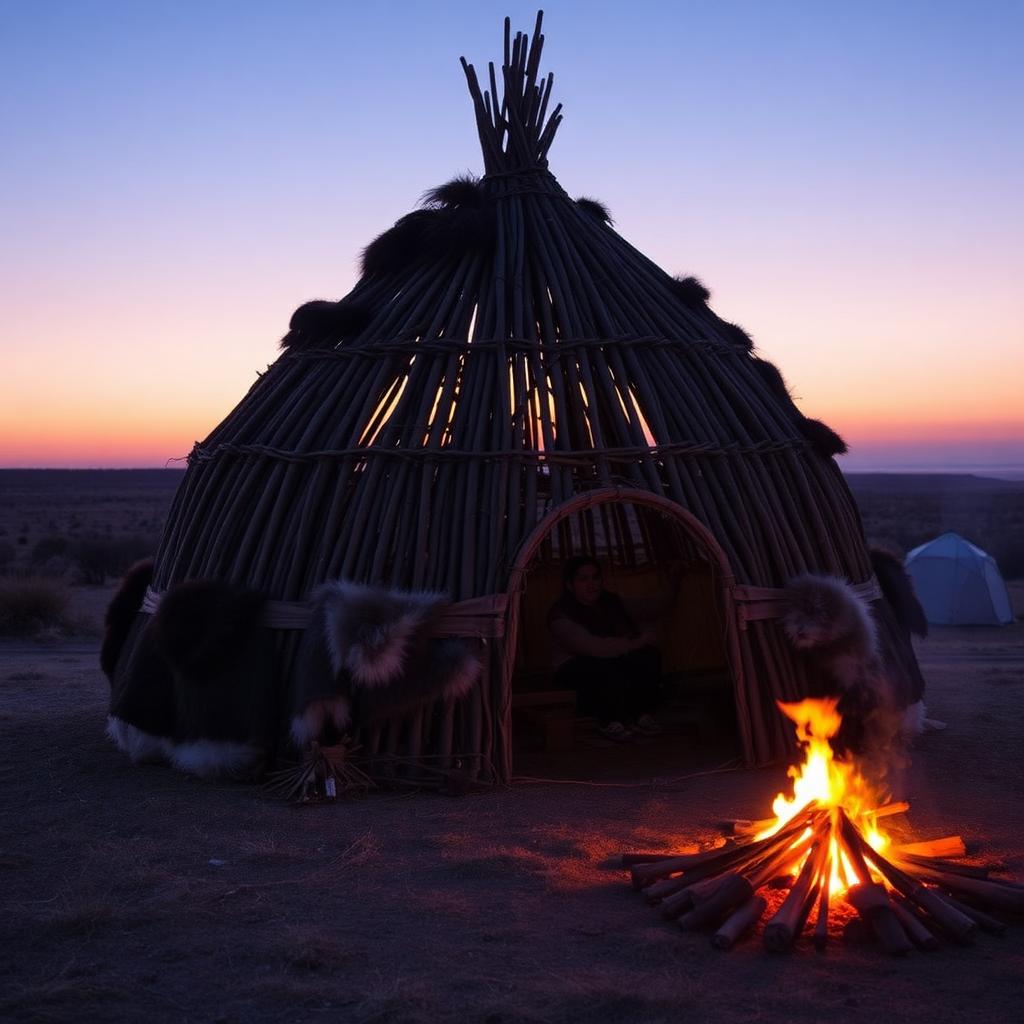
A purification ceremony held across many Indigenous North American nations.
- Curated companion
- Shared needs: grief, community
- Similar practices: ceremony
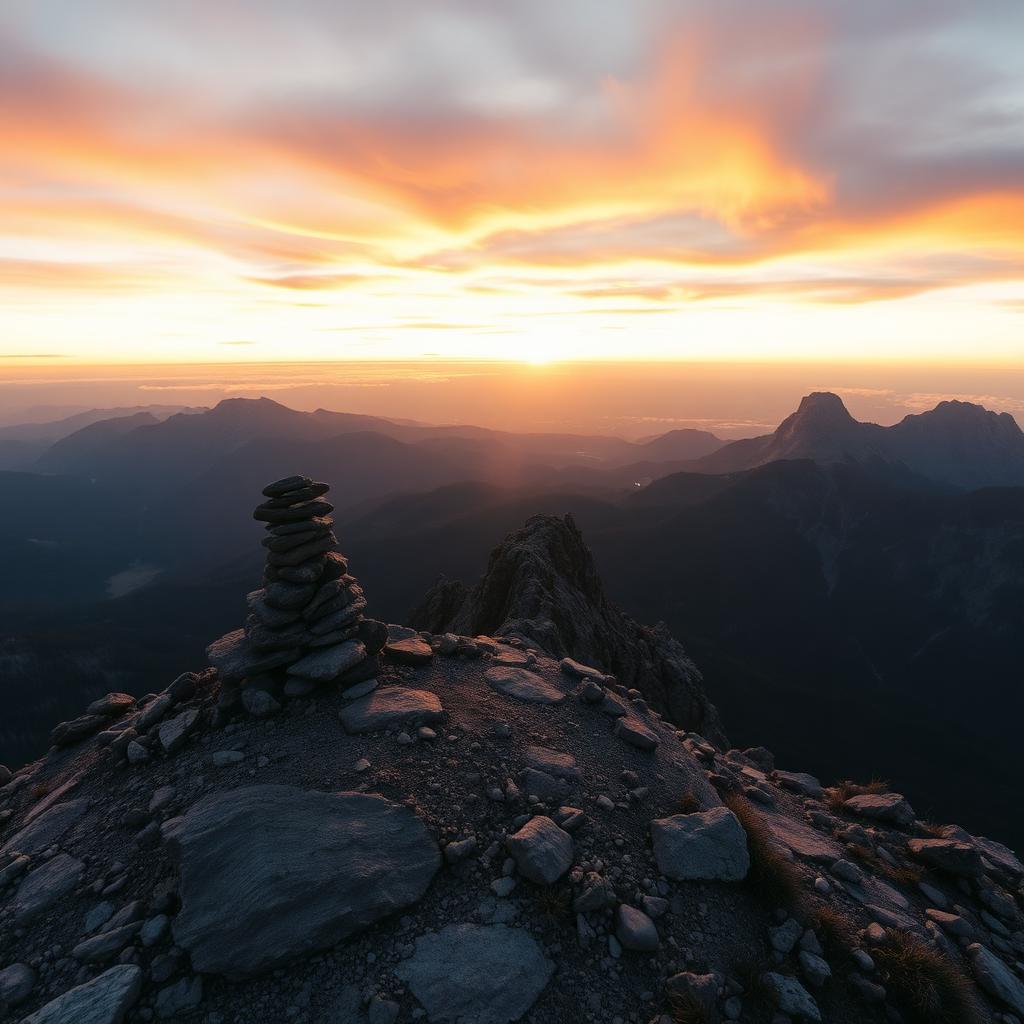
A rite of passage of prayer, fasting, and solitude on the land to receive direction.
- Curated companion
- Shared needs: grief, purpose
- Similar practices: vision
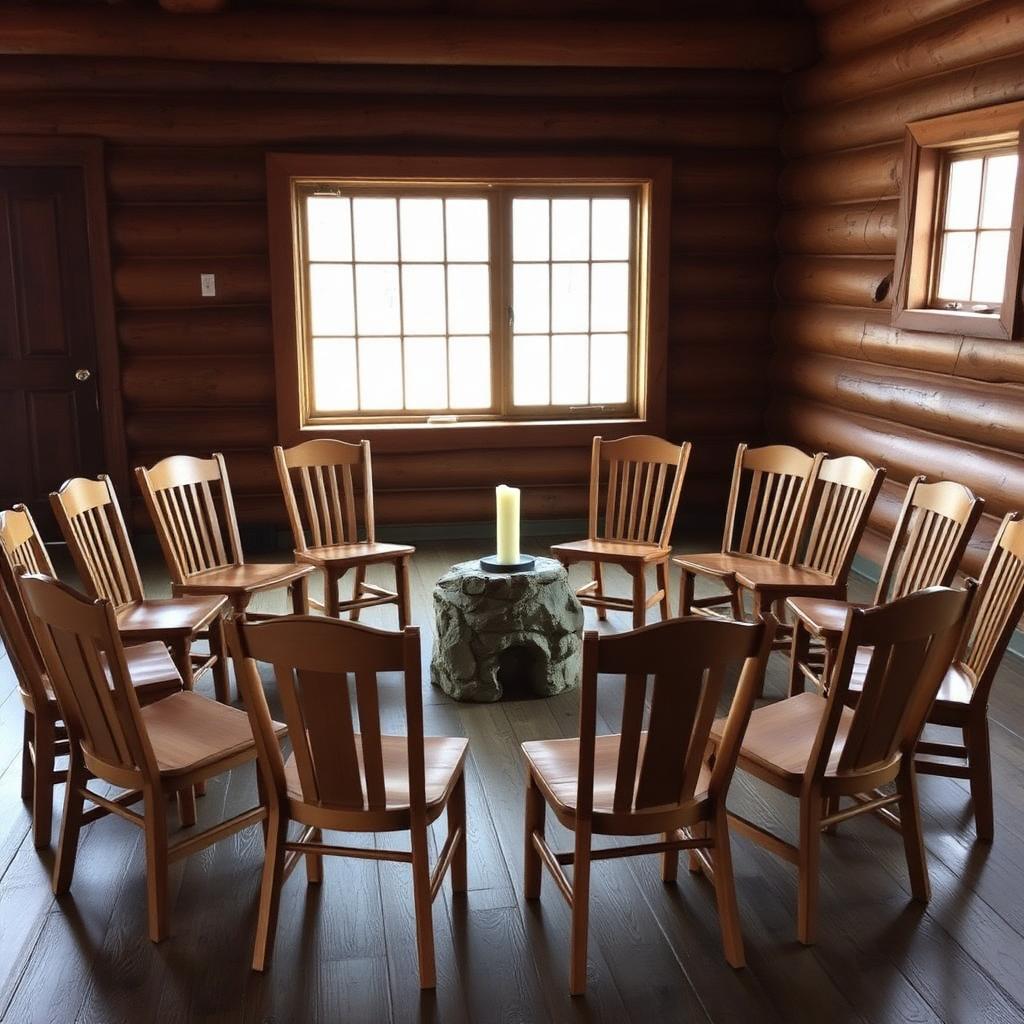
A Council practice in which each person speaks and is heard in turn, holding the whole group.
- Curated companion
- Shared needs: grief
- Same region (North America)
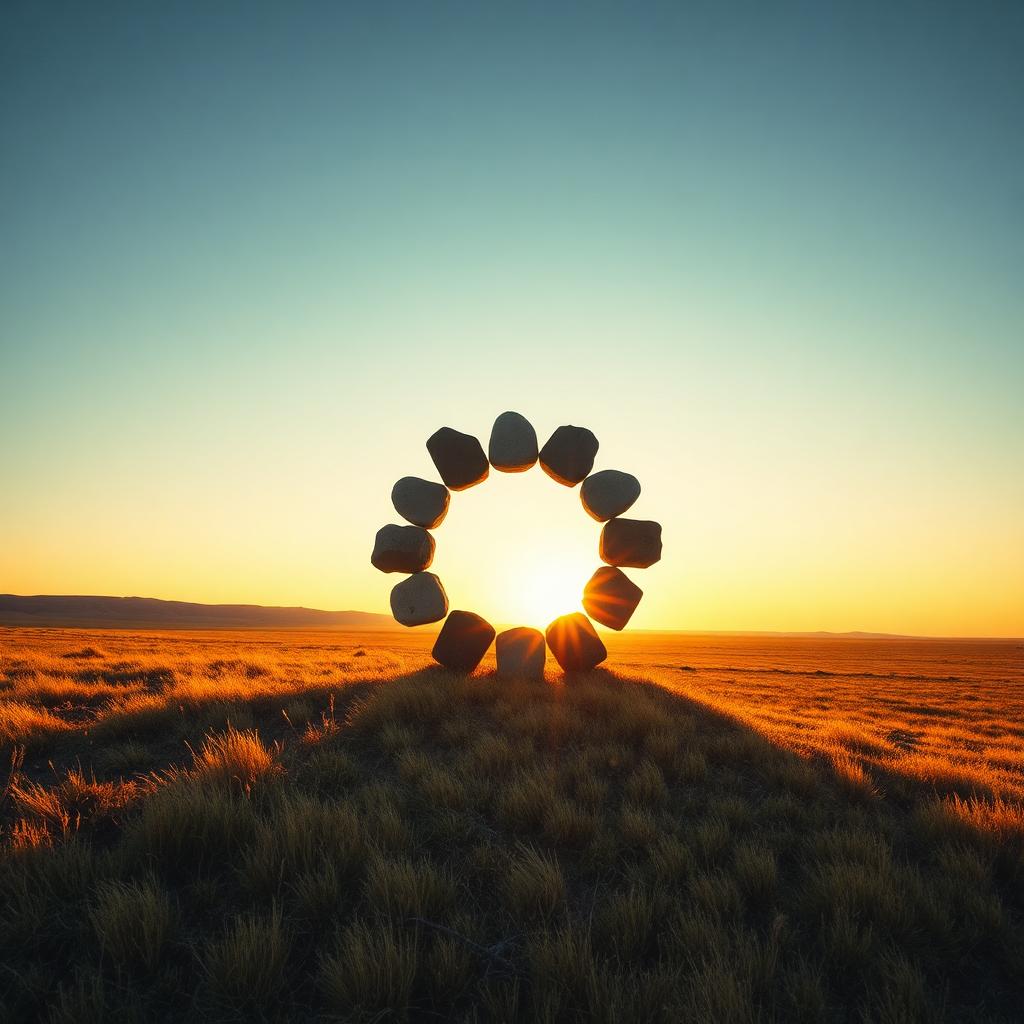
A sacred symbol and teaching tool held across many nations, mapping the four directions and life stages.
- Curated companion
- Similar practices: ceremony
- Same region (North America)
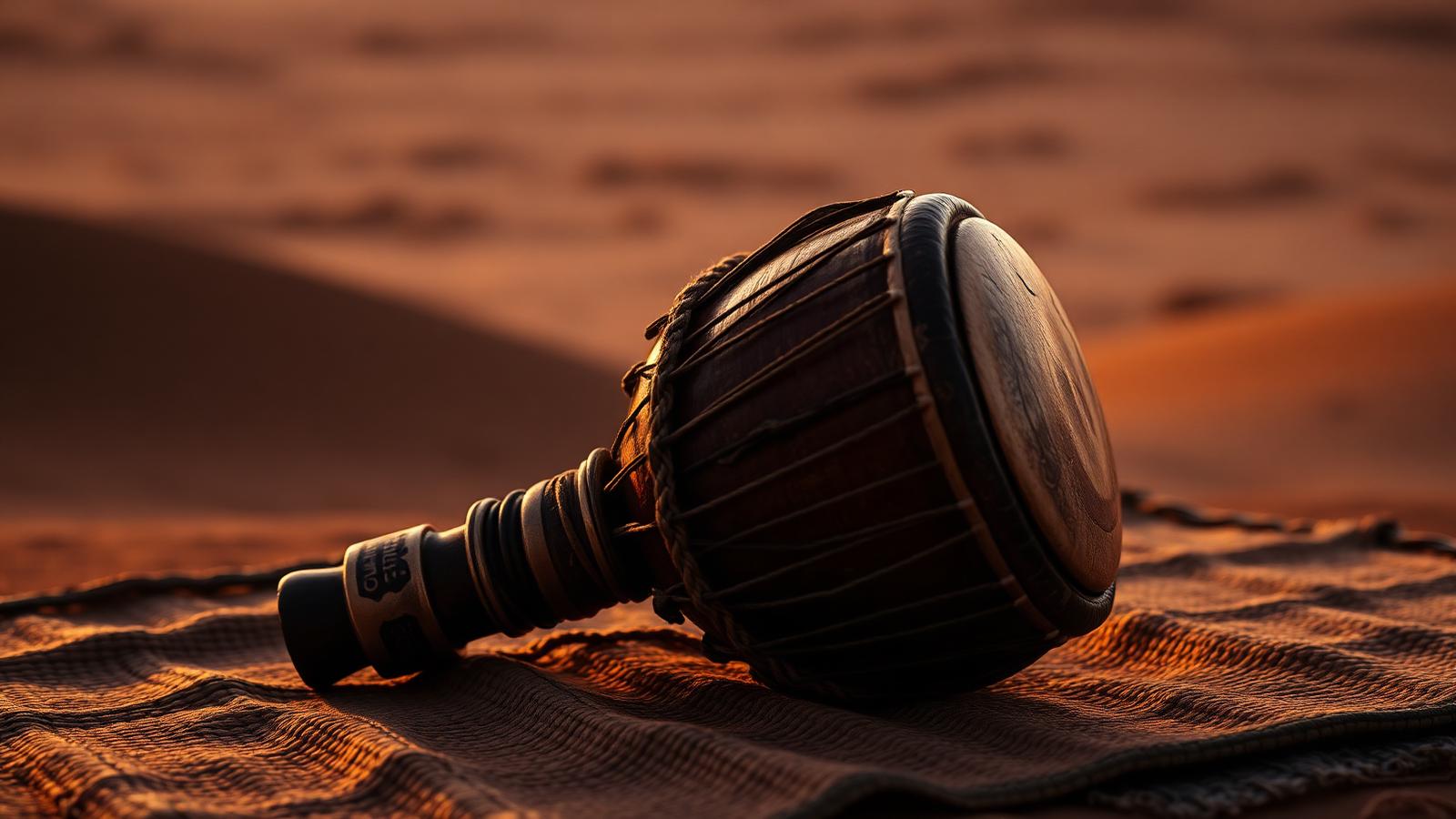
A West African tradition weaving ancestral wisdom, herbal medicine, and communal ritual into everyday life.
- Shared needs: grief, identity, community
- Same tradition type
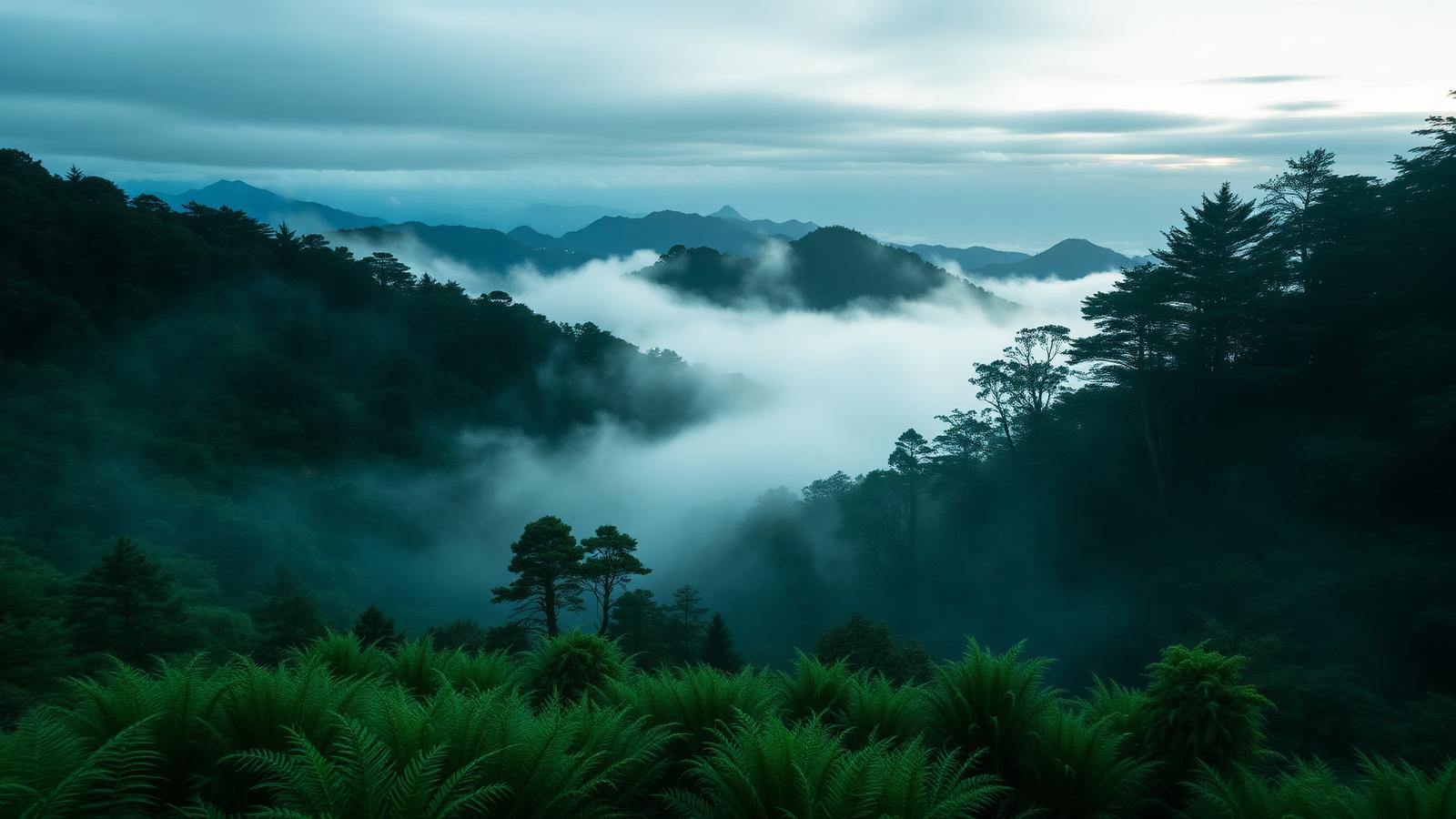
The healing traditions of the Māori people of Aotearoa, where wellbeing is the balance of body, mind, spirit, and whānau.
- Shared needs: grief, identity, trauma
- Same tradition type