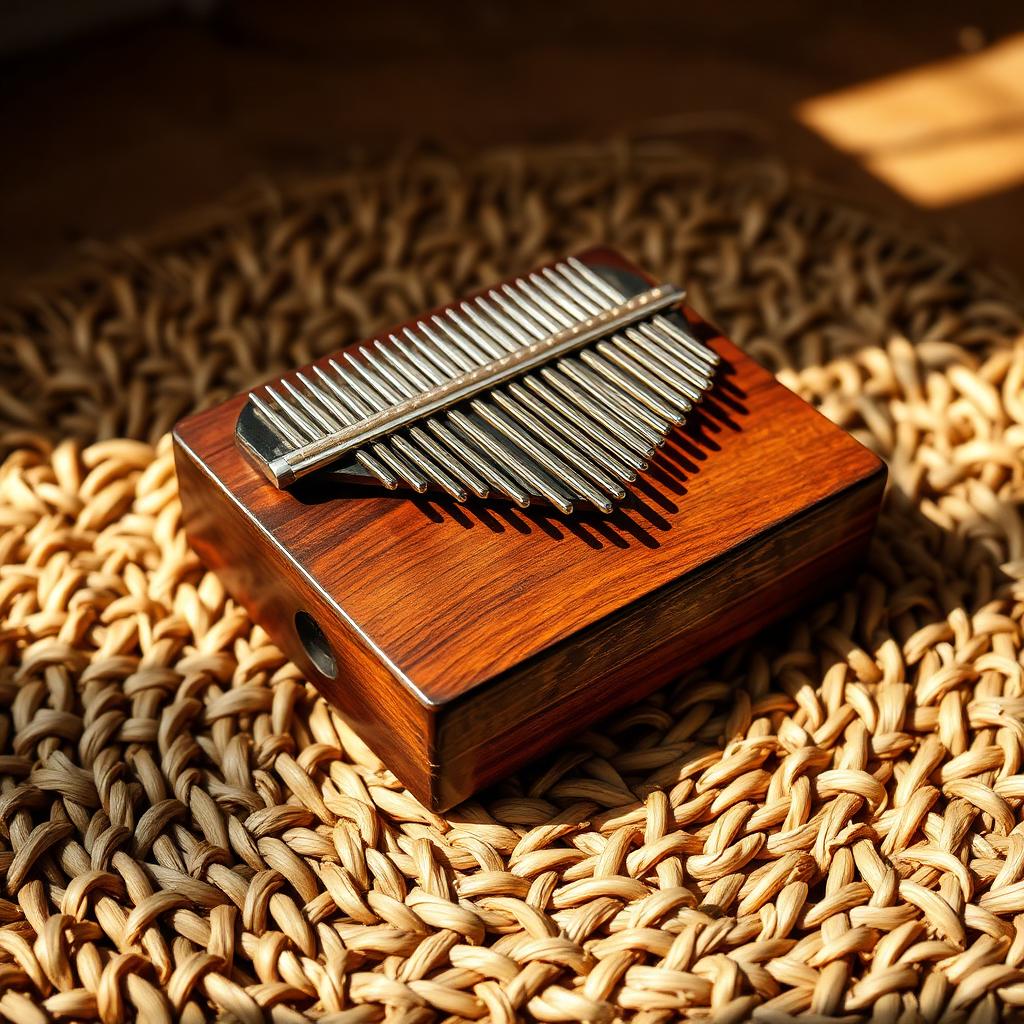
🎼Shona Healing (n'anga)
The medicine of Zimbabwe's Shona people, mbira music, ancestor spirits (vadzimu), and herb.
The Shona of Zimbabwe carry a tradition centered on the vadzimu (ancestral spirits) and n'anga (traditional healers). Mbira dzavadzimu, the sacred thumb piano, is played to call the ancestors during bira ceremonies. Healers work with dream, divination, and plant medicine. Zimbabwe's Traditional Medical Practitioners Council formally registers n'anga alongside biomedical practitioners.
Lineage: Shona n'anga lineages; mbira players who carry the ceremony.
Cost depends on practitioner, region, and format.
Estimates only. Many traditions offer sliding-scale, donation, or community access; sacred ceremonies are never for sale.
Distinguishing cultural belief, traditional practice, and evidence-supported effect where applicable.
Spiritual
The vadzimu are called in through mbira and honored.
Community
The bira ceremony is a community-wide event.
Nervous system
Mbira's rhythm entrains breath and heart across long ceremony.
Areas of possible support, not guarantees or medical claims.
- People of Shona descent
- Anyone drawn to musical trance traditions
- Attending a bira (ceremony)
- Consultation with an n'anga
- Ancestral offerings (bute, snuff)
- Listening to mbira dzavadzimu
What to know before exploring
Traditional practice
This is a living tradition carried through lineage and community. Its value is documented through generations of practitioners rather than clinical trials. Absence of Western studies is not absence of wisdom.
- Psychoactive plant or substance use. Some traditions include plants or brews that can alter consciousness, such as ayahuasca, peyote, iboga, kambo, psilocybin, cannabis, or datura. These can interact with medications (especially SSRIs and MAOIs), heart conditions, and other prescriptions, and may bring up strong physical or emotional responses. This is a space for extra care, preparation, and trained guidance.
- Herbal preparations and dosing. Herbs, tinctures, teas, and topical preparations can be gentle and powerful at the same time. They may interact with prescription medications or affect blood pressure, the liver, kidneys, or allergies. Quality and sourcing matter, so work with a knowledgeable practitioner and share your medication list.
- Trance, possession, and altered states. Drumming, dance, and possession-based ceremonies can open non-ordinary states that feel profound but may be destabilizing for people with a personal or family history of psychosis, bipolar, dissociation, or acute trauma. Go slowly and honestly, with trustworthy support.
- Financial and spiritual exploitation risk. Sacred traditions can attract people who charge steep fees or claim exclusive spiritual authority. Trustworthy teachers welcome questions, encourage outside support, and never pressure you to pay for more than you can afford.
- Cultural appropriation and closed practices. Elements of this tradition may be reserved for initiated practitioners or community members. Approach as a respectful learner, not a consumer, and never present the practice as your own.
- Pregnancy, breastfeeding, and fertility treatment. Several herbs, essential oils, deep-tissue techniques, extreme temperatures, and intense breath or plant-medicine practices are not recommended during pregnancy, breastfeeding, or IVF cycles. Disclose your status and ask for a practitioner with prenatal training.
- Active PTSD or unprocessed severe trauma. Immersive, ceremonial, and altered-state work can surface traumatic memories without warning. If you are living with active PTSD, build a relationship with a trauma-informed licensed clinician first, and choose practitioners trained to hold trauma responses gently.
- Prescription medication interactions. Bring a full medication list to your practitioner and pharmacist. Some common combinations need extra care, such as SSRIs and MAOIs with ayahuasca or St. John's wort, blood thinners with garlic or ginkgo, and immunosuppressants with many herbs. Your care team can help you navigate this.
This information is shared as general education, not medical advice. The safest path is to share your full health story and current medications with both the practitioner and your regular healthcare provider before beginning something new.
What music makes me feel accompanied by more than the living?
Which ancestor might come if I made a place for them?
Engaging with respect
Support Zimbabwean musicians directly; be careful about buying ceremonial mbira as decoration.
Traditions that share needs, practices, or cultural context with this one. Explore with respect for each lineage's origins.
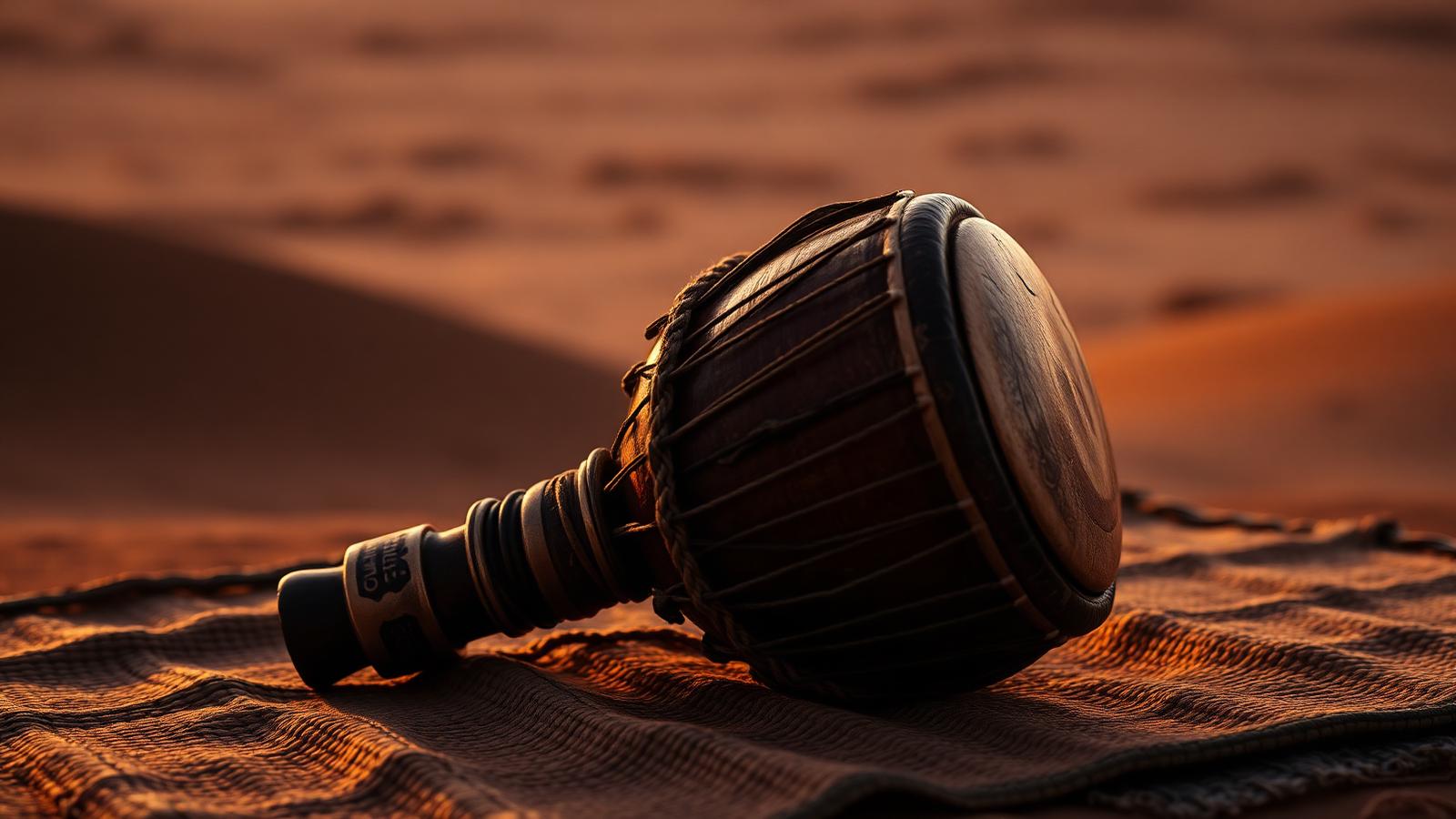
A West African tradition weaving ancestral wisdom, herbal medicine, and communal ritual into everyday life.
- Curated companion
- Similar practices: ancestral, offerings
- Same region (Africa)
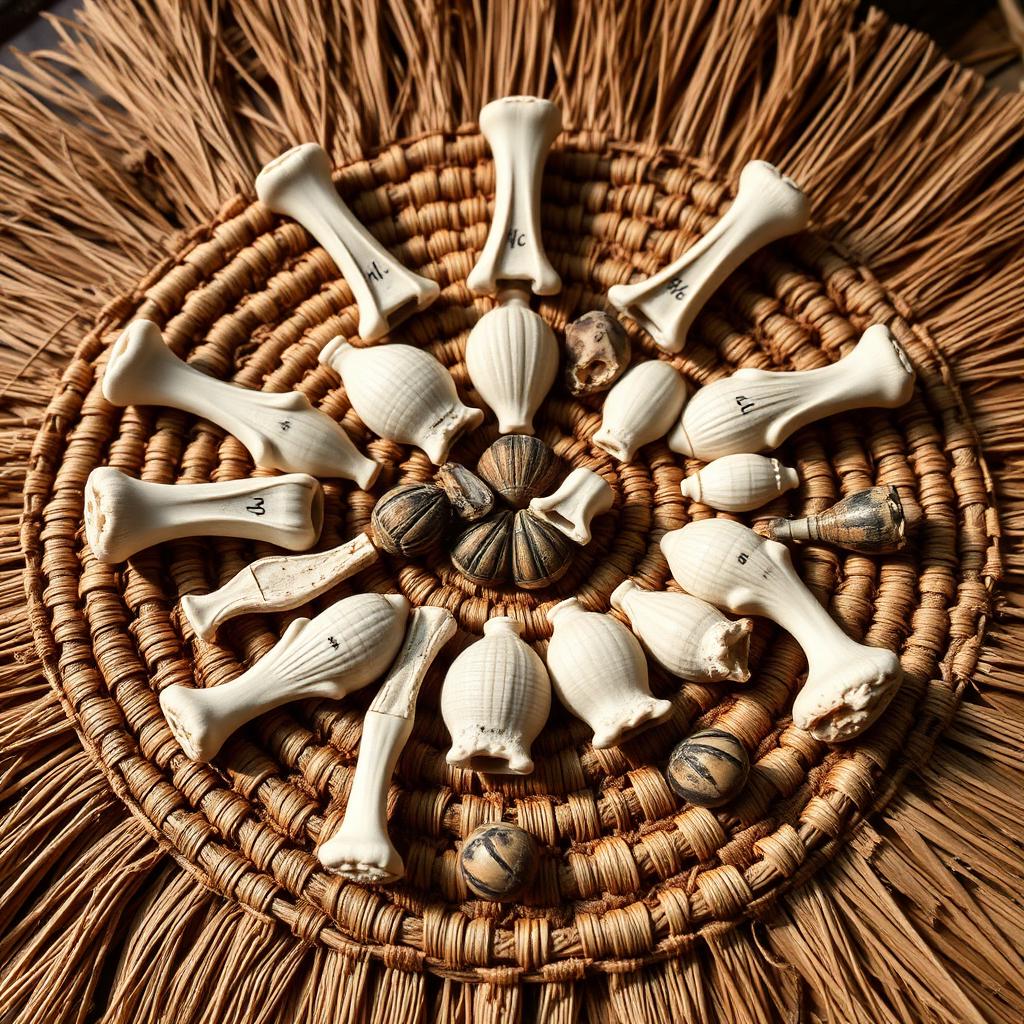
Southern African traditional healers who work with ancestors, bones, and herbal medicine.
- Curated companion
- Similar practices: snuff
- Same region (Africa)
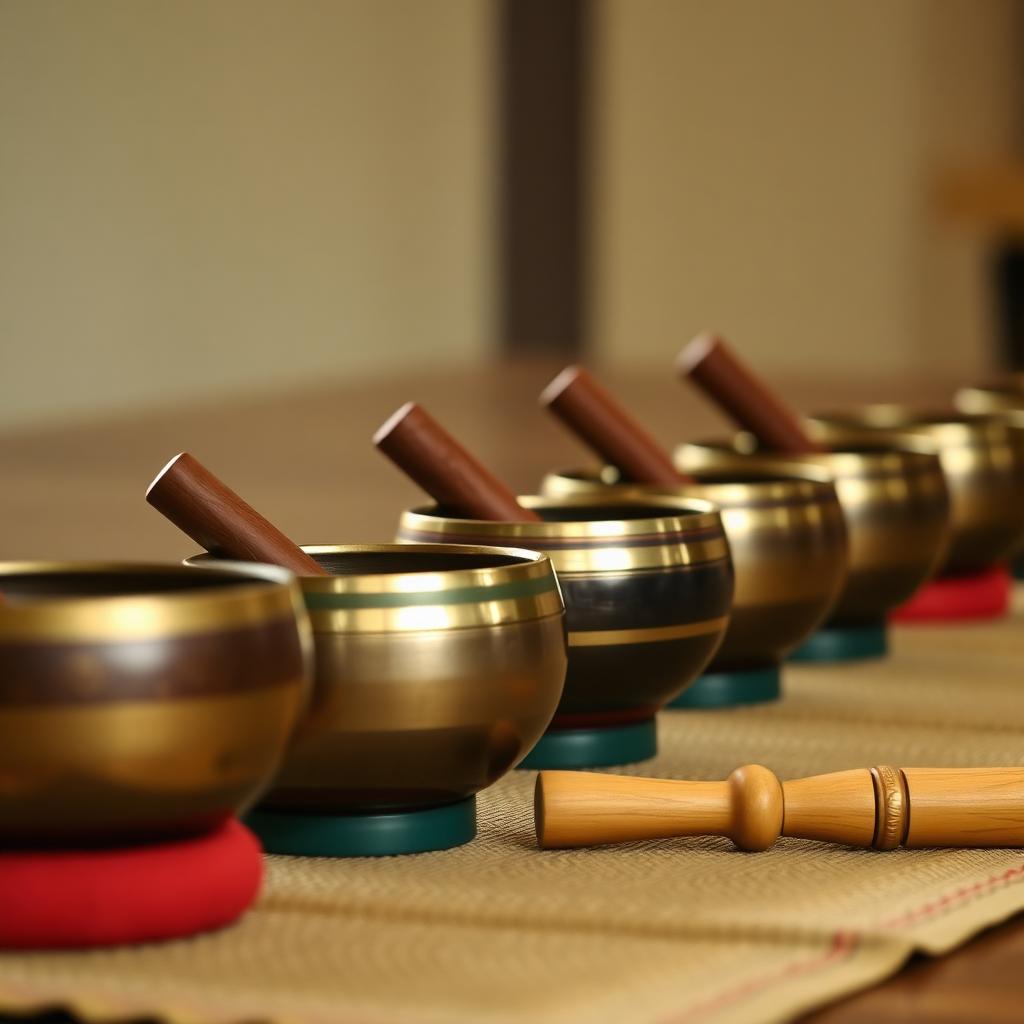
Singing bowls, gongs, and chant traditions used across cultures to shift state through vibration.
- Curated companion
- Similar practices: attending, listening
The medicine of the amaZulu of KwaZulu-Natal, held by izangoma and izinyanga through ancestors, dream, and plant.
- Shared needs: ancestral healing, illness with unclear cause
- Similar practices: ancestral, offerings, ceremony
- Same region (Africa)
The Guaraní people of Paraguay and Brazil, karai (elder), song, and the good land (yvy marã ey).
- Shared needs: ancestral healing, meaning
- Similar practices: attending, ceremony
- Same tradition type
The steppe tradition of drum, spirit-journey, and the eternal blue sky (Tengri).
- Shared needs: ancestral healing, illness with unclear cause
- Similar practices: offerings
- Same tradition type