🌹Persian Healing
The long medical tradition of Persia, refined by Avicenna and shaping medicine east and west.
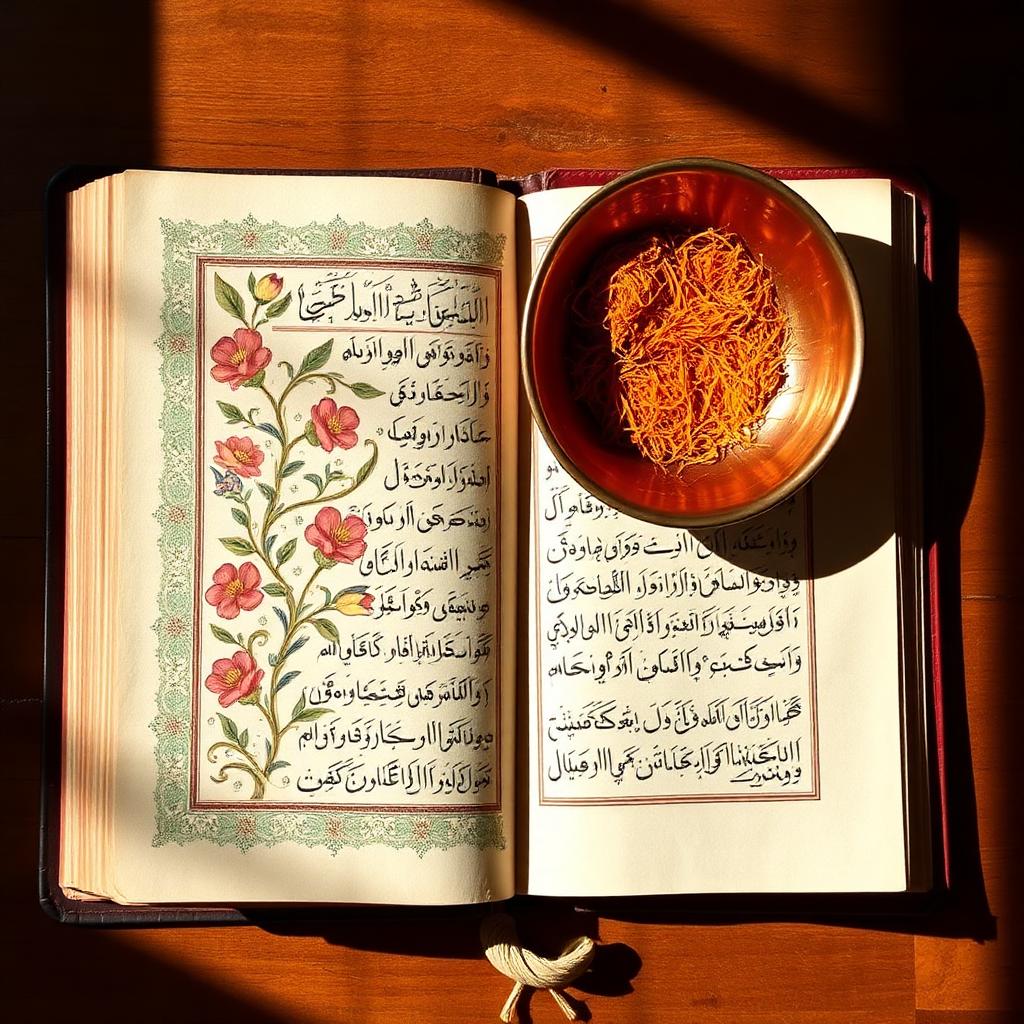
Imagery evoking Persian Healing, The long medical tradition of Persia, refined by Avicenna and shaping medicine east and west.
Symbolic imagery, generated with respect. No sacred ceremony or living person depicted.
Persian healing (Tibb-e Sonnati) is one of the world's most refined medical traditions, systematized by ibn Sina (Avicenna, 980-1037) in his Canon of Medicine, which was the standard medical text in European universities for 500 years. It works with the four humors (blood, phlegm, yellow bile, black bile), temperament (mizaj), diet, herbs, and lifestyle. Persian rose (gol-e-Mohammadi), saffron, sumac, and pomegranate are central to its pharmacy.
Lineage: ibn Sina, al-Razi, and the long Persian medical lineage.
Community herbalists to formal clinics.
Estimates only. Many traditions offer sliding-scale, donation, or community access; sacred ceremonies are never for sale.
Distinguishing cultural belief, traditional practice, and evidence-supported effect where applicable.
Emotional
Saffron is one of the most-studied plants for mild-to-moderate depression.
Psychological
Music therapy (as described by al-Farabi) was already in use a millennium ago.
Spiritual
Blends with Sufi understandings of the soul.
Physical
Individualized dietary and herbal recommendations by mizaj (constitution).
Areas of possible support, not guarantees or medical claims.
- People of Iranian, Afghan, or Central Asian descent
- Those drawn to systemic humoral medicine
- Determining one's mizaj (temperament) and eating accordingly
- Daily saffron (in food or a small dose)
- Rose water in bath and drink
- Reading and living Rumi and Hafez
What to know before exploring
Traditional practice
This is a living tradition carried through lineage and community. Its value is documented through generations of practitioners rather than clinical trials. Absence of Western studies is not absence of wisdom.
- Herbal preparations and dosing. Herbs, tinctures, teas, and topical preparations can be gentle and powerful at the same time. They may interact with prescription medications or affect blood pressure, the liver, kidneys, or allergies. Quality and sourcing matter, so work with a knowledgeable practitioner and share your medication list.
- Financial and spiritual exploitation risk. Sacred traditions can attract people who charge steep fees or claim exclusive spiritual authority. Trustworthy teachers welcome questions, encourage outside support, and never pressure you to pay for more than you can afford.
- Pregnancy, breastfeeding, and fertility treatment. Several herbs, essential oils, deep-tissue techniques, extreme temperatures, and intense breath or plant-medicine practices are not recommended during pregnancy, breastfeeding, or IVF cycles. Disclose your status and ask for a practitioner with prenatal training.
- Prescription medication interactions. Bring a full medication list to your practitioner and pharmacist. Some common combinations need extra care, such as SSRIs and MAOIs with ayahuasca or St. John's wort, blood thinners with garlic or ginkgo, and immunosuppressants with many herbs. Your care team can help you navigate this.
This information is shared as general education, not medical advice. The safest path is to share your full health story and current medications with both the practitioner and your regular healthcare provider before beginning something new.
Which of the four humors is out of balance in me today?
What food of my ancestors have I forgotten to eat?
Written in the spirit of this tradition, held as invitations, not instructions. Take what serves your reflection.
Which temperament (mizaj) is running me today, and does it need cooling or warming?
Where does poetry, the old Persian medicine of the soul, still reach me?
Whose garden, table, or presence restores me?
Traditions that share needs, practices, or cultural context with this one. Explore with respect for each lineage's origins.
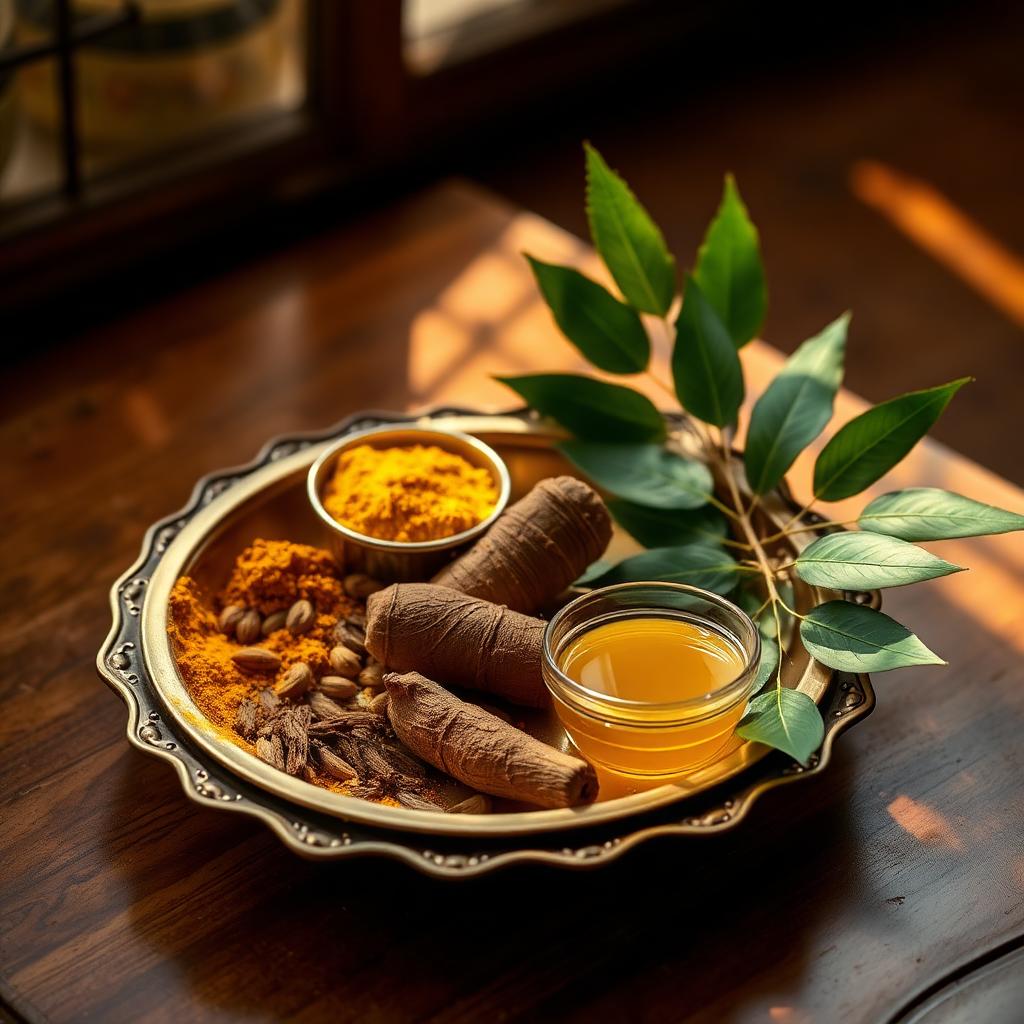
The 5,000-year-old 'science of life' from India, dosha, rhythm, and elemental balance.
- Curated companion
- Shared needs: sleep, skin
- Similar practices: determining, daily
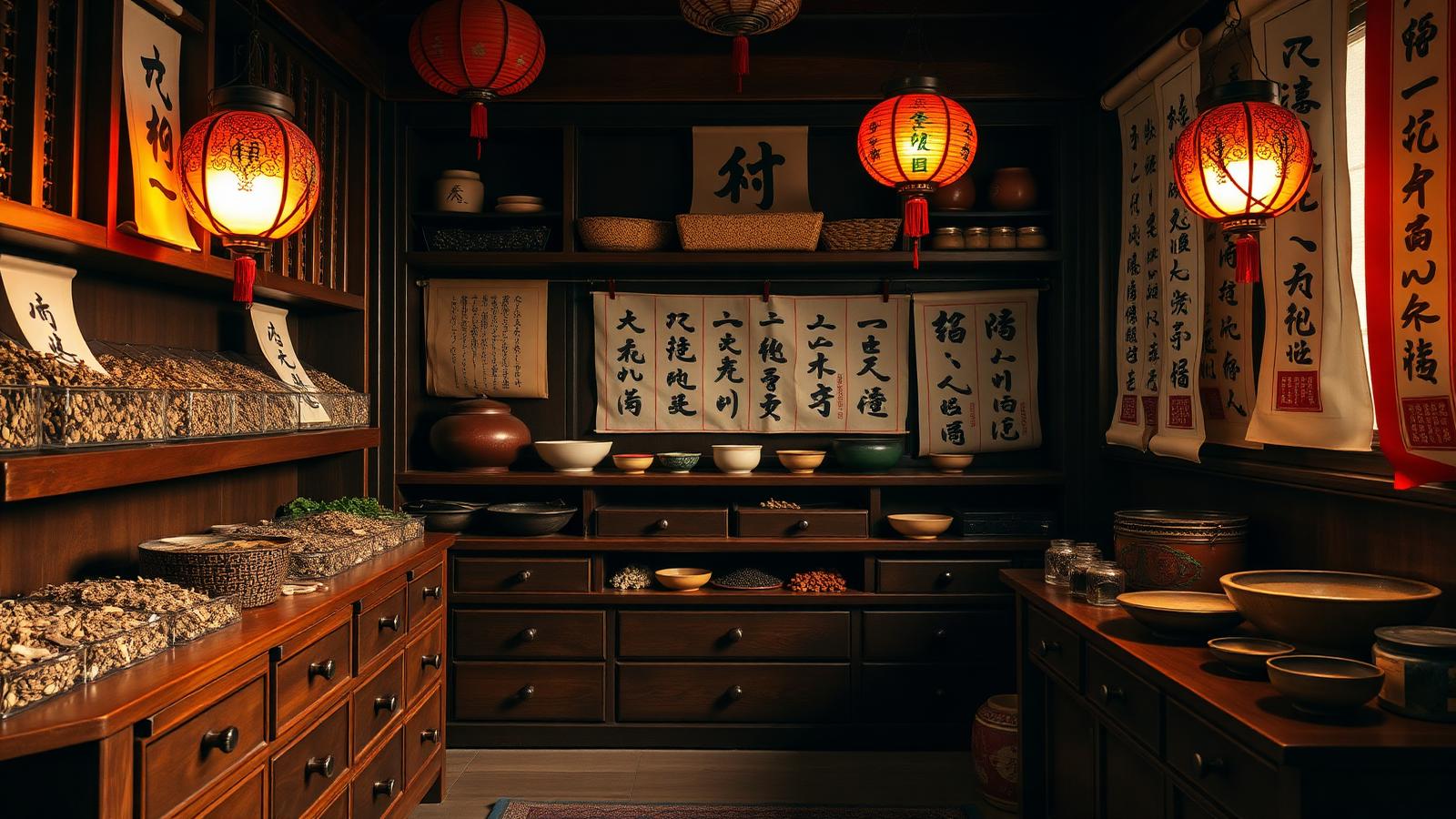
A 2,500-year-old system reading the person as a landscape of qi, organs, seasons, and elements.
- Curated companion
- Shared needs: sleep
- Same tradition type
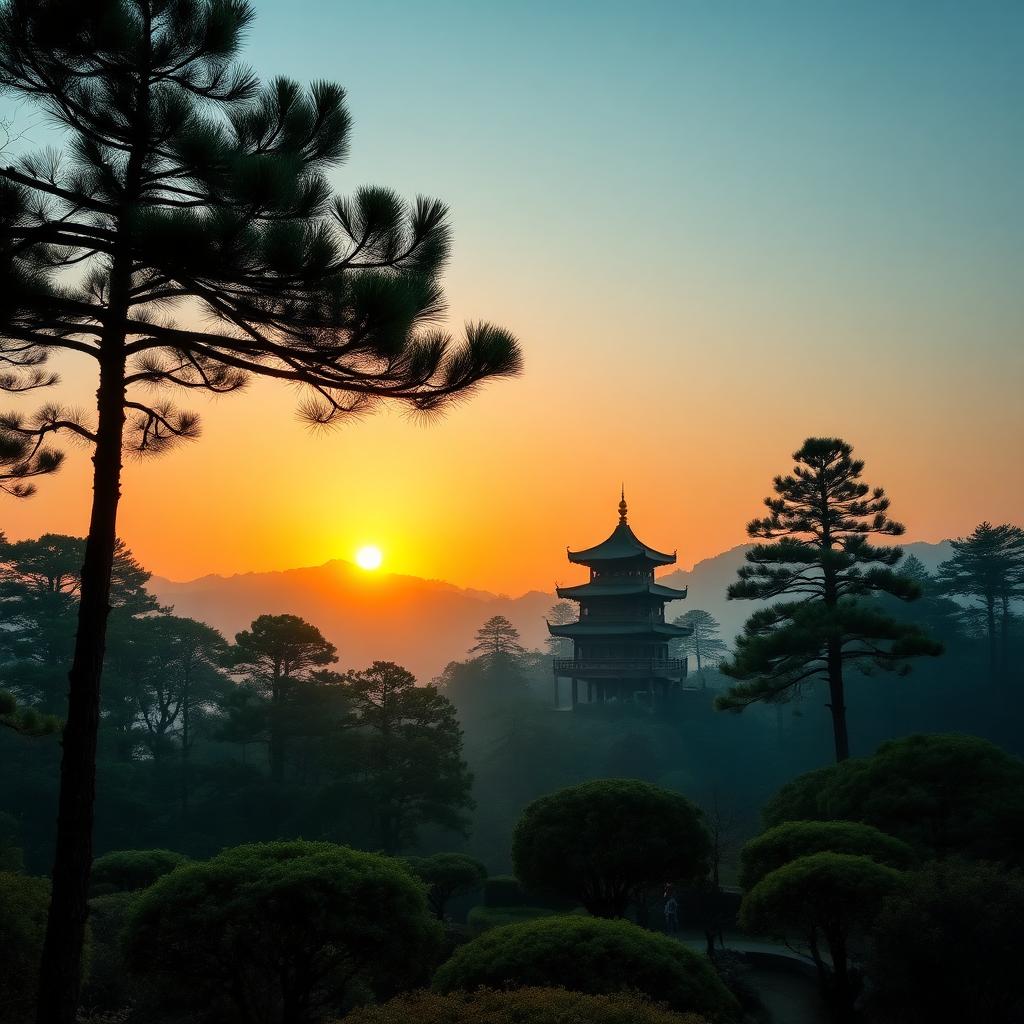
Chinese cultivation of qi through slow movement, breath, and intention.
- Shared needs: balance, sleep
- Similar practices: daily
- Same tradition type
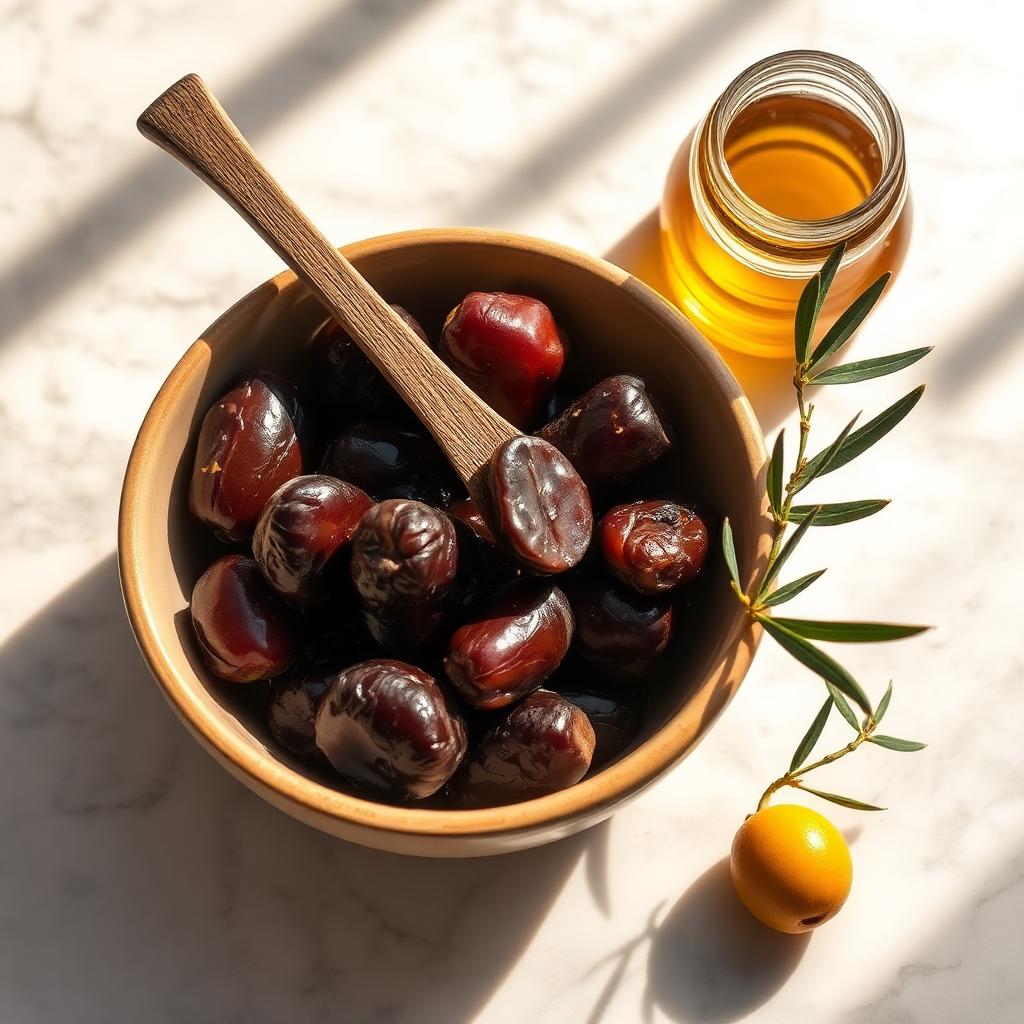
Health guidance drawn from the sayings and practice of the Prophet Muhammad ﷺ.
- Shared needs: sleep
- Similar practices: eating, water
- Same region (Middle East)
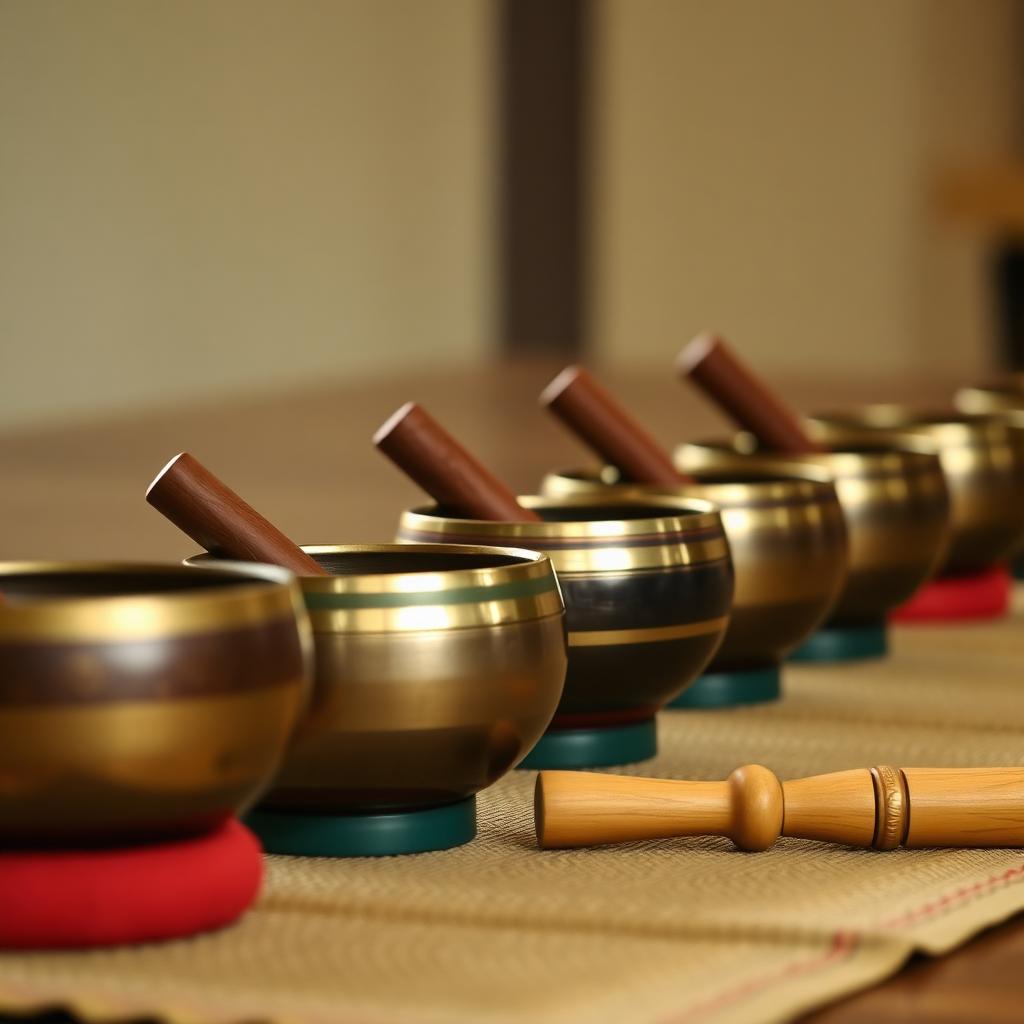
Singing bowls, gongs, and chant traditions used across cultures to shift state through vibration.
- Shared needs: sleep
- Similar practices: bath, daily
- Same tradition type
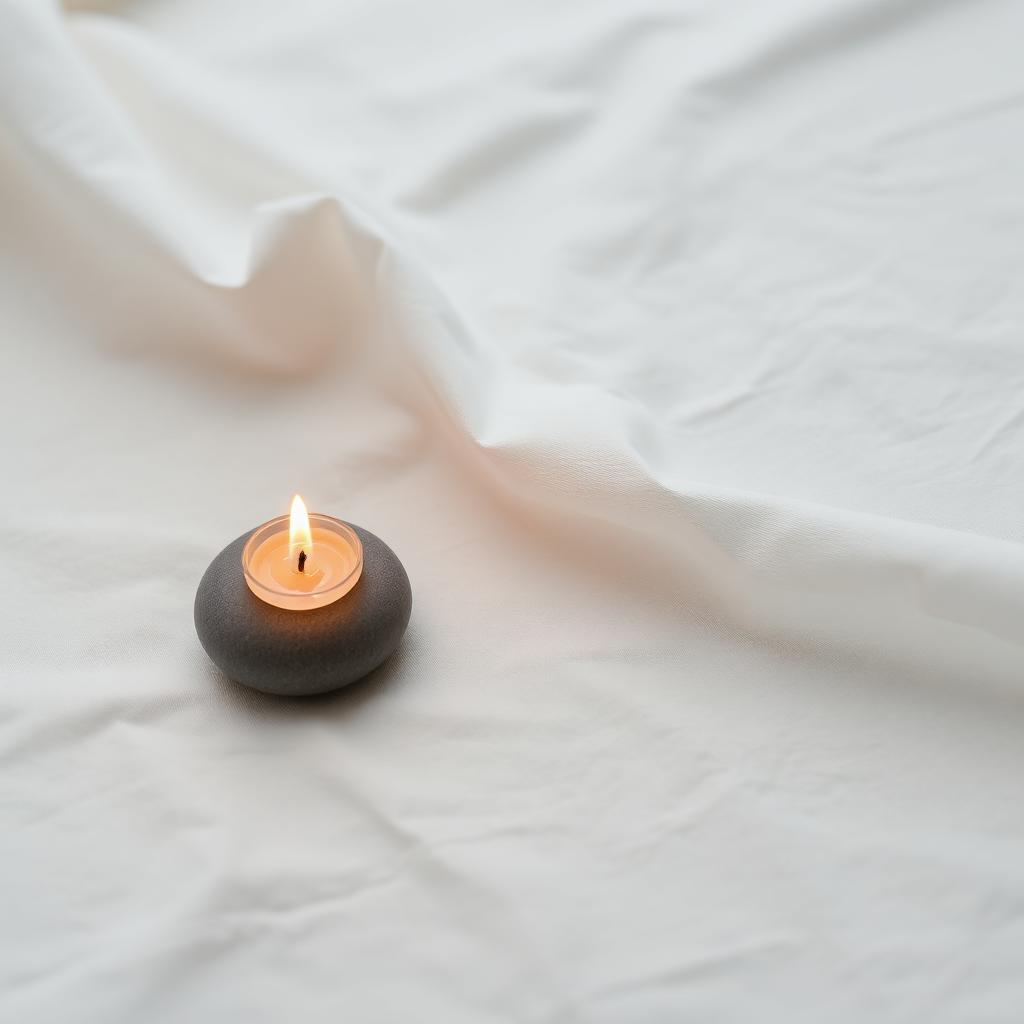
Present-moment, non-judging awareness, Buddhist in root, now a global evidence-based practice.
- Shared needs: depression
- Similar practices: daily, reading, living