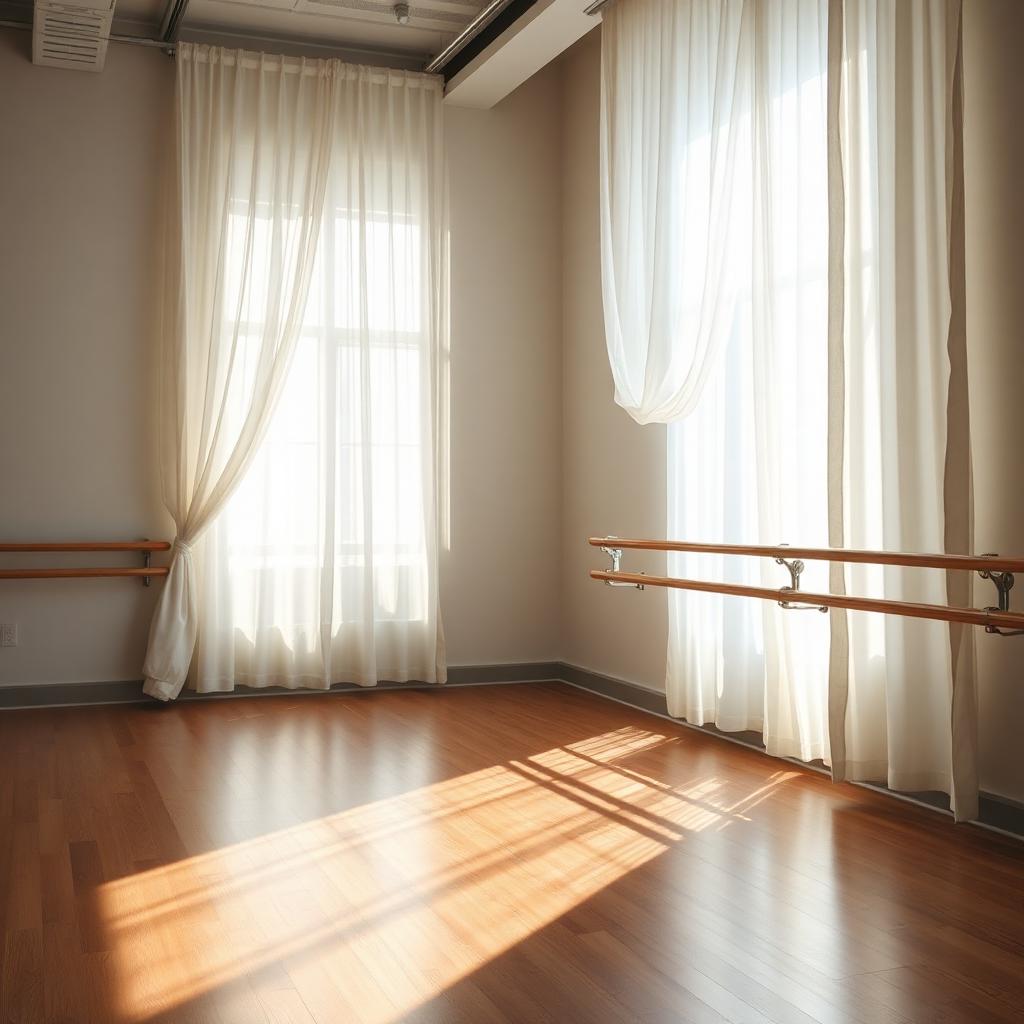
💃Dance/Movement Therapy
Movement as the primary language of healing, an established creative-arts therapy.
Imagery evoking Dance/Movement Therapy, Movement as the primary language of healing, an established creative-arts therapy.
Symbolic imagery, generated with respect. No sacred ceremony or living person depicted.
Dance/Movement Therapy (DMT) is a regulated profession using movement as the primary language of healing. Founded by Marian Chace in the 1940s at St. Elizabeths Hospital, it draws on the observation that the body holds and expresses what the mind may not yet know. Effective for trauma, eating disorders, Parkinson's, autism, and depression. Not the same as dance class.
Group classes $15, $40; sessions $80, $180.
Estimates only. Many traditions offer sliding-scale, donation, or community access; sacred ceremonies are never for sale.
Distinguishing cultural belief, traditional practice, and evidence-supported effect where applicable.
Psychological
Evidence-supported for depression and Parkinson's.
Spiritual
Ecstatic dance traditions are found across cultures.
Nervous system
Movement discharges what stillness cannot.
- Working with a Registered Dance/Movement Therapist (R-DMT or BC-DMT)
- 5Rhythms, Ecstatic Dance, or Authentic Movement as community practices (not therapy but adjacent)
- Ten minutes of free movement to music each morning
What to know before exploring
Evidence supported
Elements of this practice have been studied in peer-reviewed research and show measurable benefits for specific concerns. Study quality varies, and the tradition itself is broader than what science has measured. Evidence is one lens; lived lineage and cultural wisdom are equally important.
- Trance, possession, and altered states. Drumming, dance, and possession-based ceremonies can open non-ordinary states that feel profound but may be destabilizing for people with a personal or family history of psychosis, bipolar, dissociation, or acute trauma. Go slowly and honestly, with trustworthy support.
- Heart, blood pressure, and stroke history. Intense heat, cold, breath, or exertion can strain the cardiovascular system. If you have a heart condition, uncontrolled blood pressure, arrhythmia, a pacemaker, prior stroke, or take cardiac medication, check in with your physician before participating.
- Psychosis, bipolar I, or dissociative history (extra pause recommended). If you or a close family member has a history of psychosis, schizophrenia, bipolar I, dissociative disorders, or are in an acute mental health episode, please be extra gentle. Psychedelic, trance, and intense inner-work practices are best avoided unless you are working closely with a psychiatrist who understands this territory.
- Active PTSD or unprocessed severe trauma. Immersive, ceremonial, and altered-state work can surface traumatic memories without warning. If you are living with active PTSD, build a relationship with a trauma-informed licensed clinician first, and choose practitioners trained to hold trauma responses gently.
This information is shared as general education, not medical advice. The safest path is to share your full health story and current medications with both the practitioner and your regular healthcare provider before beginning something new.
What does my body want to move that I have not let it?
Which piece of music makes me forget my self-consciousness?
Written in the spirit of this tradition, held as invitations, not instructions. Take what serves your reflection.
What emotion is stored in me that has never been allowed to move?
What might my body know that my mind has not caught up to?
Who am I when I move freely in front of people who love me?
Traditions that share needs, practices, or cultural context with this one. Explore with respect for each lineage's origins.
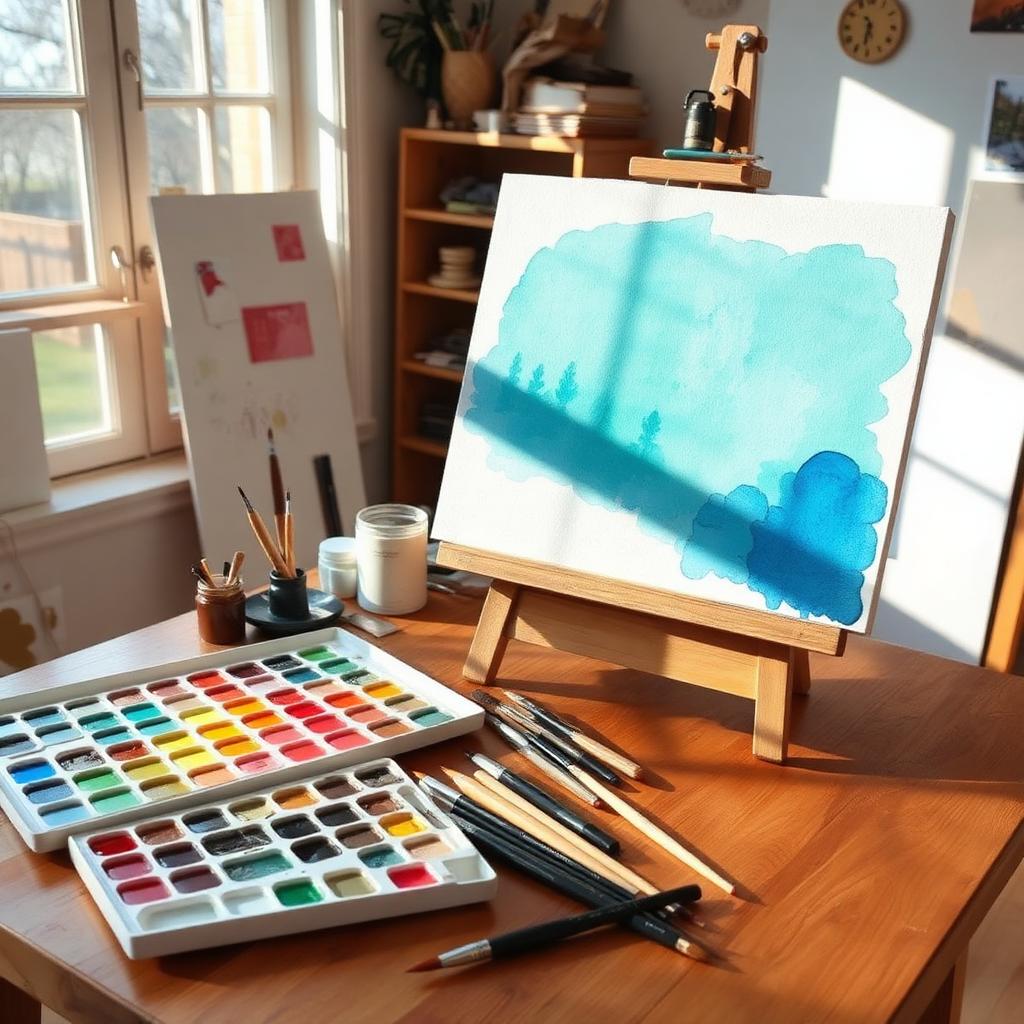
Making images as a way to give shape to what words cannot yet say.
- Curated companion
- Shared needs: trauma, autism
- Similar practices: working, therapist
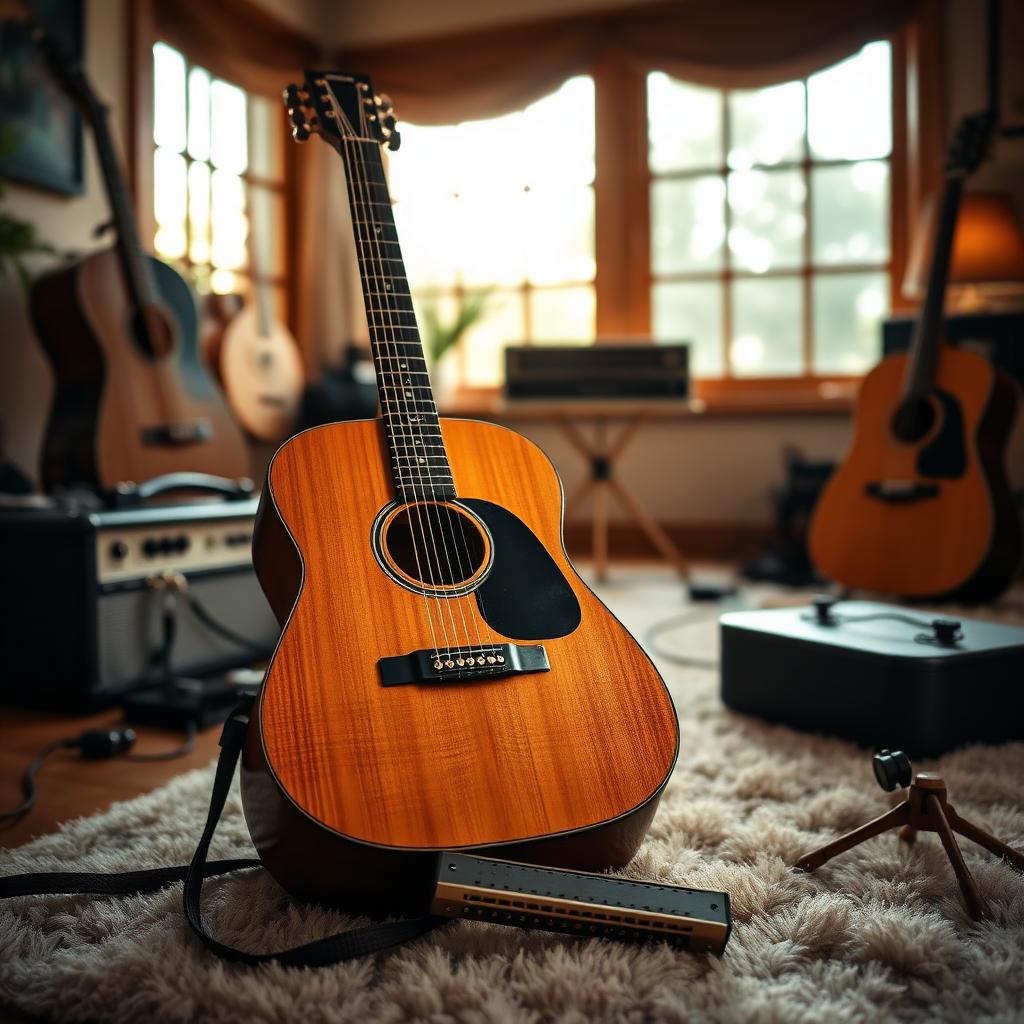
A regulated profession using music-making and listening for psychological and physical health.
- Curated companion
- Shared needs: autism
- Similar practices: working, music, therapist
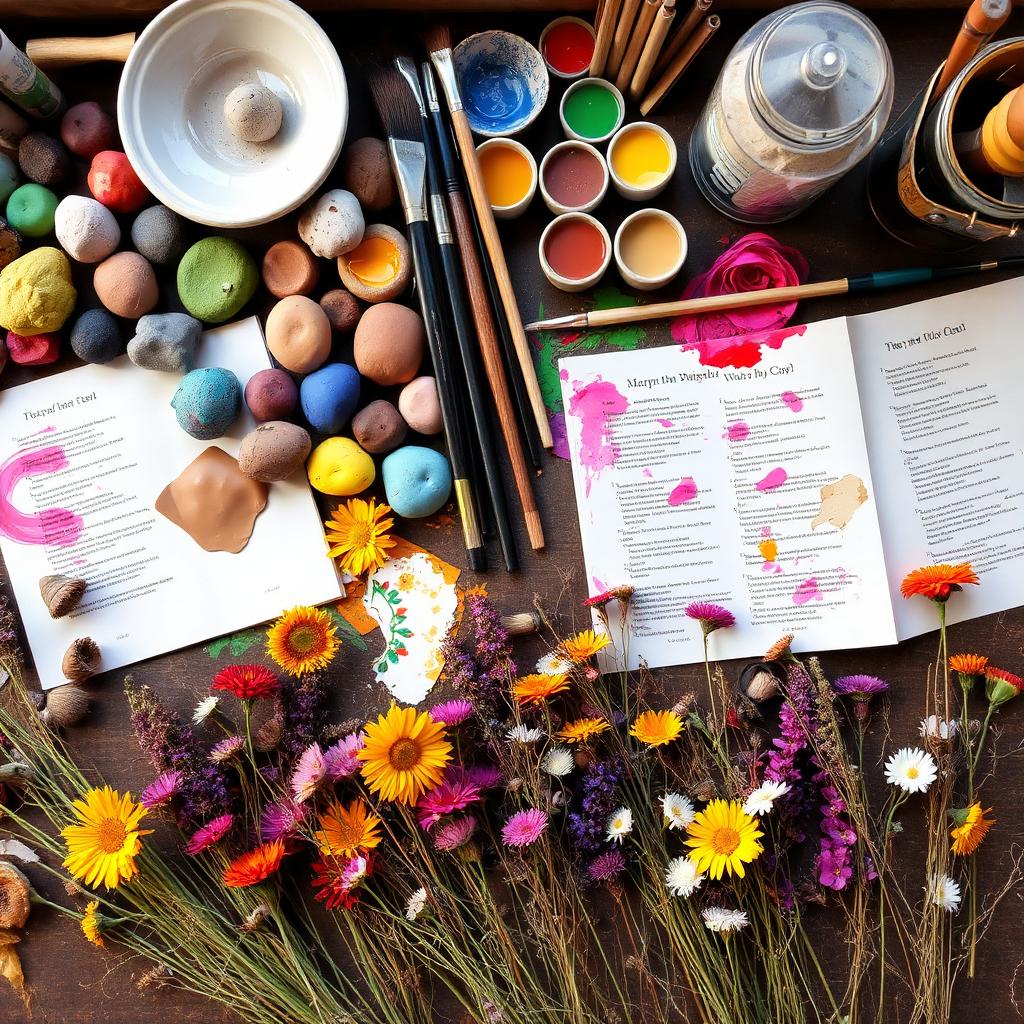
An integrative approach weaving movement, music, image, drama, and writing.
- Curated companion
- Similar practices: working, registered, therapist, movement
- Same region (Global)
Paul Gilbert's approach cultivating self-compassion as an antidote to shame.
- Shared needs: depression, eating disorders, trauma
- Similar practices: working
A model developed by Richard Schwartz that meets the inner 'parts' of the self with curiosity.
- Shared needs: trauma, depression
- Similar practices: working, therapist
- Same region (Global)
The eight-limbed path from India, posture, breath, ethics, and meditation as one whole.
- Shared needs: depression, trauma
- Similar practices: minutes, working