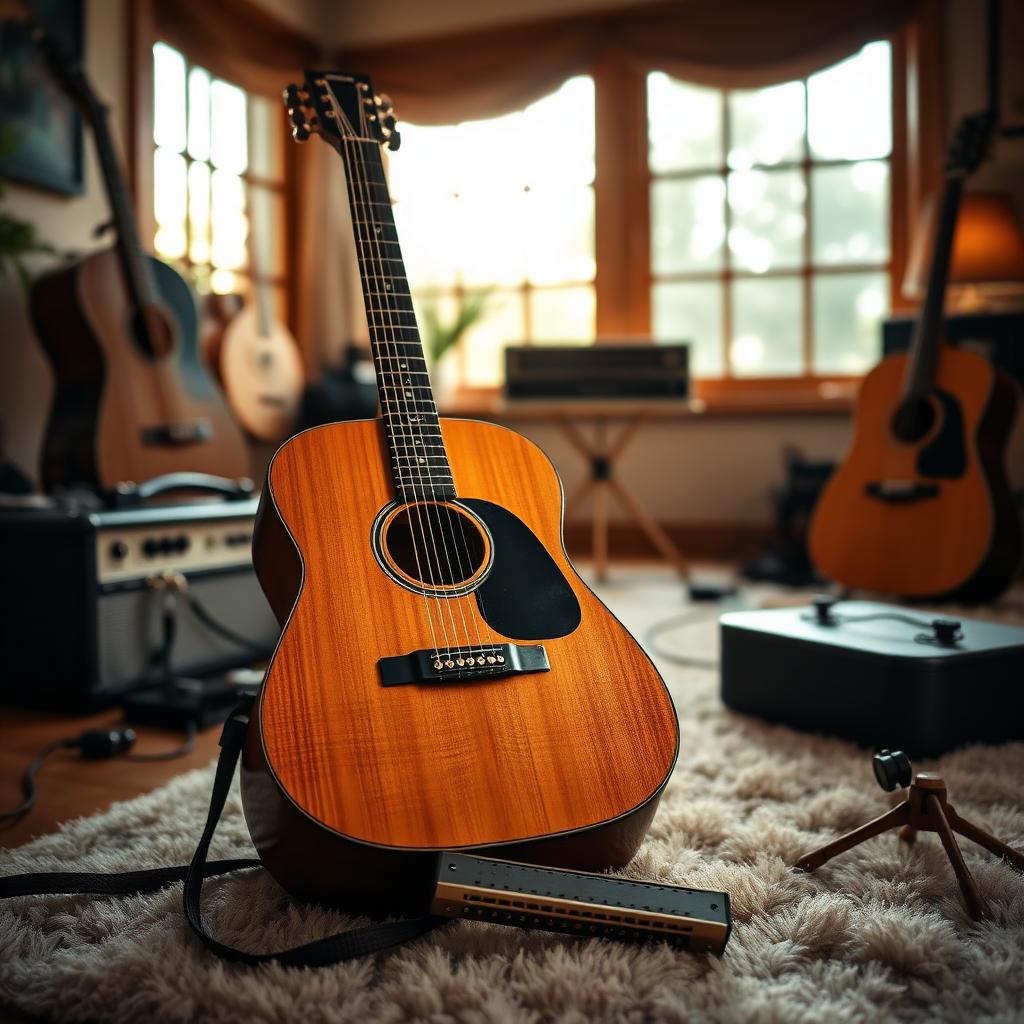
🎶Music Therapy
A regulated profession using music-making and listening for psychological and physical health.
Imagery evoking Music Therapy, A regulated profession using music-making and listening for psychological and physical health.
Symbolic imagery, generated with respect. No sacred ceremony or living person depicted.
Music Therapy is a regulated profession (in the US, board-certified music therapists hold at least a bachelor's degree). It uses music-making, listening, songwriting, and improvisation to address physical, psychological, cognitive, and social needs. Strong evidence for stroke rehabilitation, dementia, autism, palliative care, and preterm infant care. The Nordoff-Robbins and Bonny (GIM) approaches are well-established.
$60, $180/session; hospital programs often free.
Estimates only. Many traditions offer sliding-scale, donation, or community access; sacred ceremonies are never for sale.
Distinguishing cultural belief, traditional practice, and evidence-supported effect where applicable.
Psychological
Strong evidence for many populations.
Community
Group music-making is a shared regulator.
Nervous system
Music entrains breath and heart.
- Working with a board-certified music therapist
- Curating playlists for specific emotional needs
- Singing (even badly) as regular practice
- Learning an instrument at any age
What to know before exploring
Evidence supported
Elements of this practice have been studied in peer-reviewed research and show measurable benefits for specific concerns. Study quality varies, and the tradition itself is broader than what science has measured. Evidence is one lens; lived lineage and cultural wisdom are equally important.
- Practitioner quality varies. This tradition is not licensed or regulated in most countries. Skill, ethics, and training vary widely between practitioners. Ask about lineage, training length, informed consent practices, and how safety concerns are handled.
This information is shared as general education, not medical advice. The safest path is to share your full health story and current medications with both the practitioner and your regular healthcare provider before beginning something new.
What music holds my grief better than words?
Which song of my life would I want played at my funeral?
Written in the spirit of this tradition, held as invitations, not instructions. Take what serves your reflection.
What song matches how I actually feel today, not how I wish I felt?
What music makes me remember who I am beneath the roles I play?
Who in my life do I most want to sing, hum, or listen alongside?
Traditions that share needs, practices, or cultural context with this one. Explore with respect for each lineage's origins.
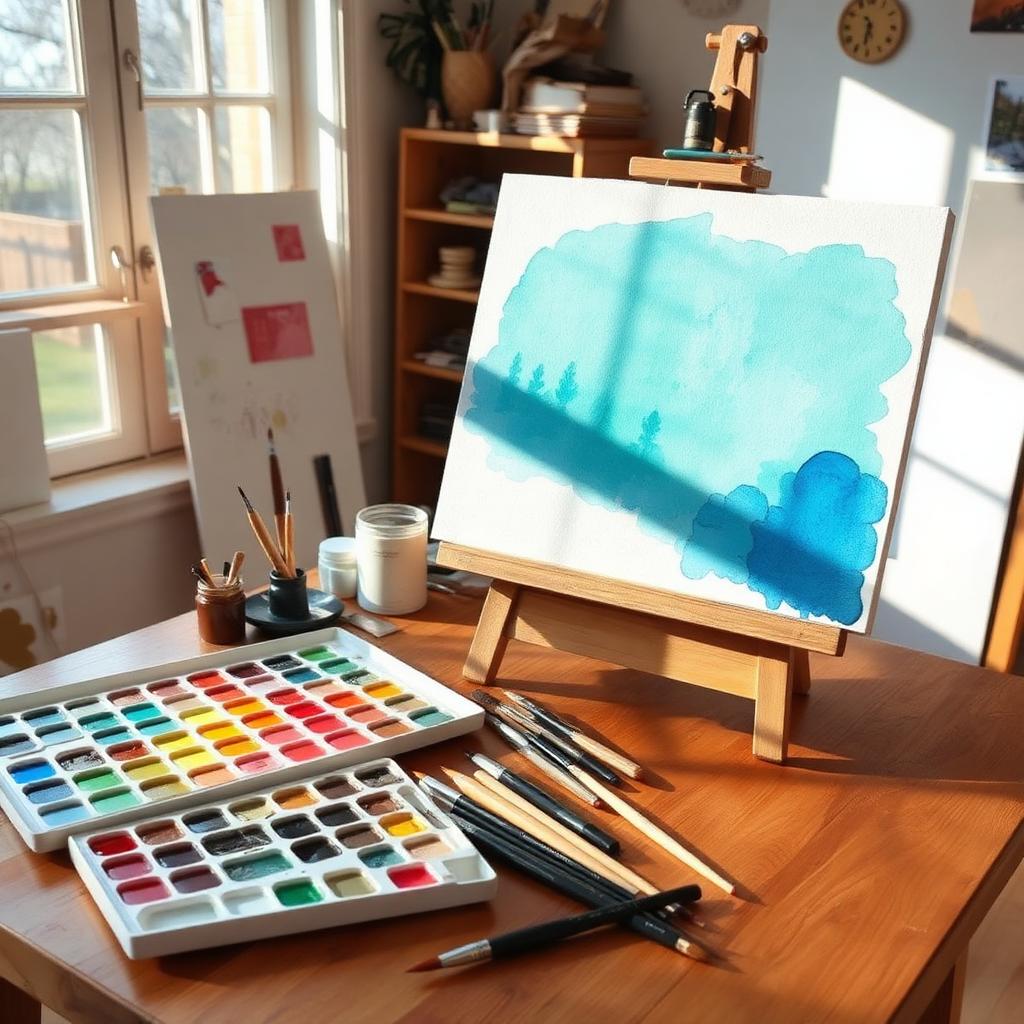
Making images as a way to give shape to what words cannot yet say.
- Curated companion
- Shared needs: autism, dementia
- Similar practices: working, therapist, regular
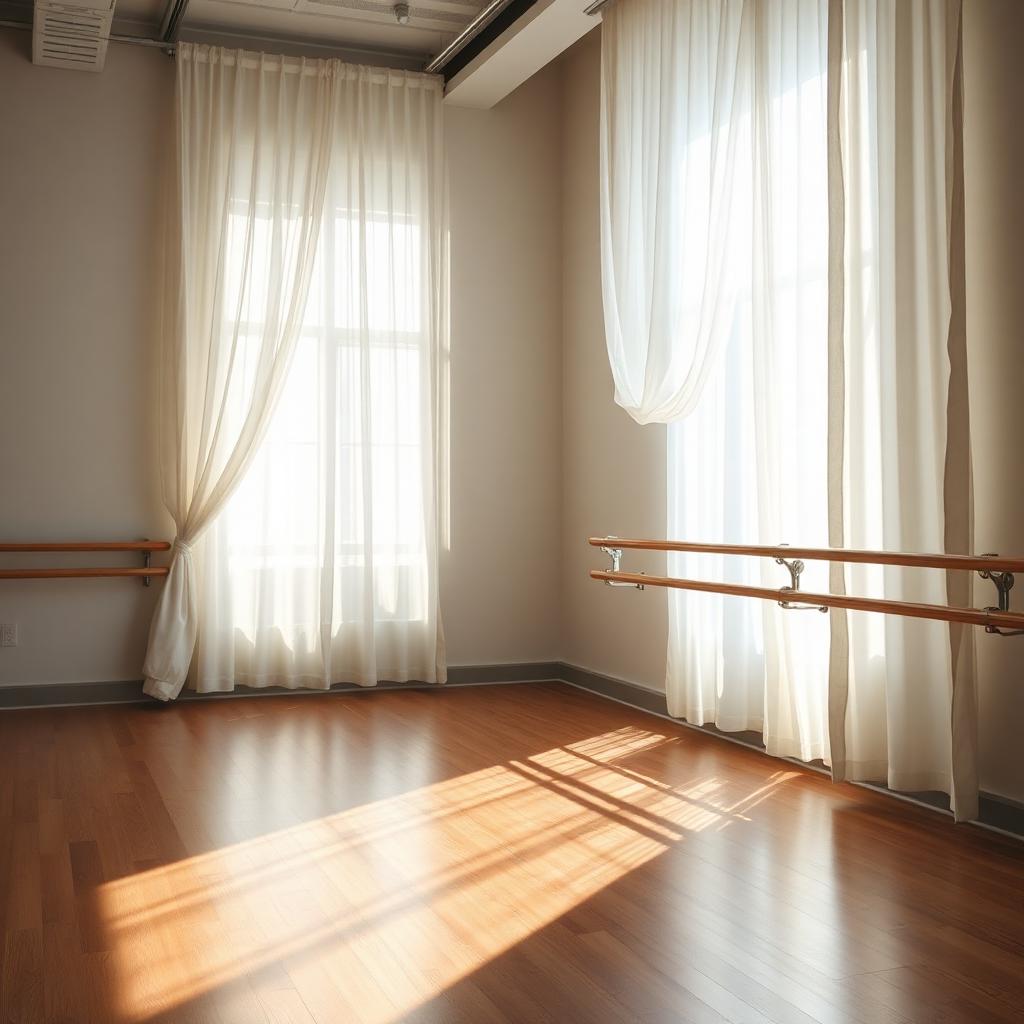
Movement as the primary language of healing, an established creative-arts therapy.
- Curated companion
- Shared needs: autism
- Similar practices: working, therapist, music
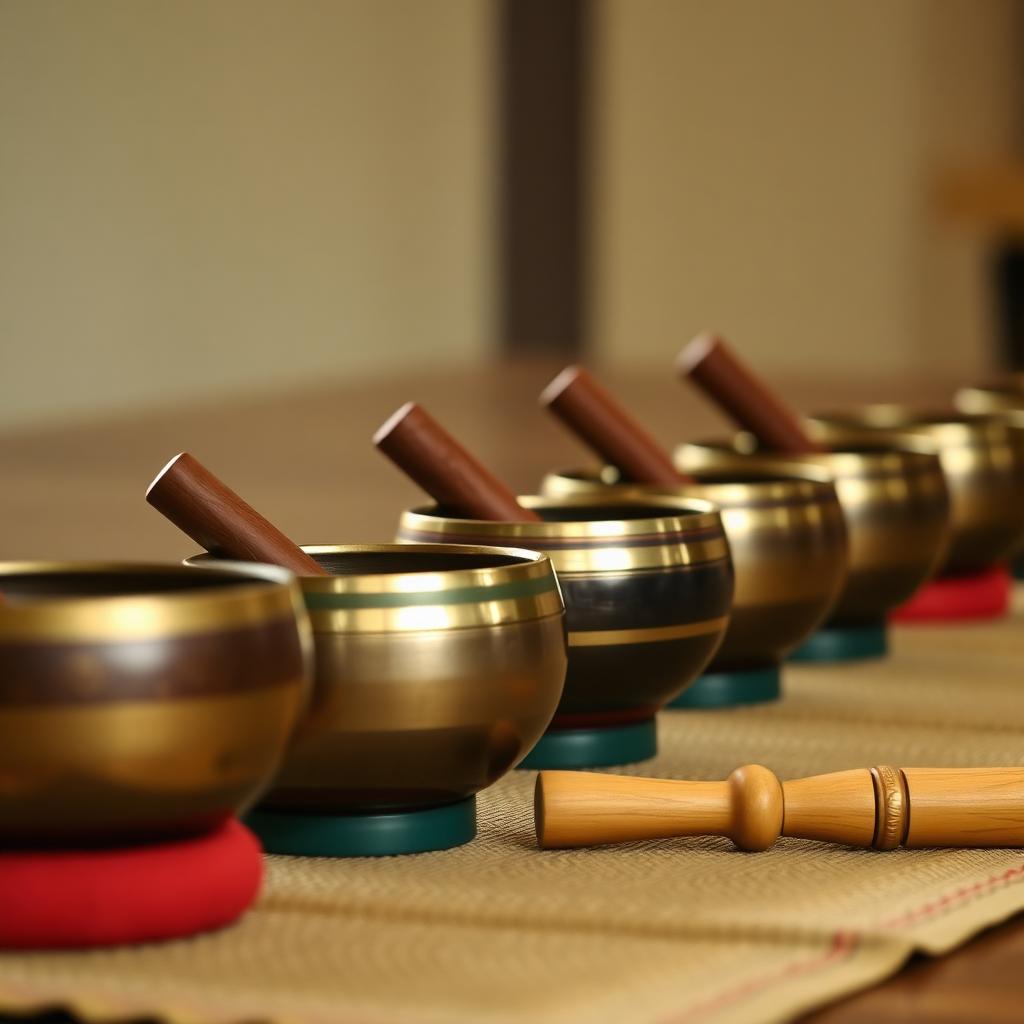
Singing bowls, gongs, and chant traditions used across cultures to shift state through vibration.
- Curated companion
- Similar practices: practice, specific
An integrative approach weaving movement, music, image, drama, and writing.
- Similar practices: working, therapist, practice
- Same region (Global)

Therapeutic use of the more-than-human world, forest, water, garden, animal.
- Similar practices: regular, practice
- Same region (Global)
Japanese finger-pressure bodywork along the meridians of Traditional Chinese Medicine.
- Similar practices: regular, learning, practice
- Same tradition type