🐚Tongan Traditional Healing (Faito'o)
The Tongan practice of massage, herbal preparations, and spiritual restoration.
Faito'o is Tongan traditional healing, weaving herbal preparations, massage, prayer, and understanding of illness that includes both physical and spiritual causes. Faito'o Tonga is practiced widely in Tonga and in Tongan diaspora communities across New Zealand, Australia, and the U.S. The Ministry of Health in Tonga has explored partnership with traditional healers.
Cost depends on practitioner, region, and format.
Estimates only. Many traditions offer sliding-scale, donation, or community access; sacred ceremonies are never for sale.
Distinguishing cultural belief, traditional practice, and evidence-supported effect where applicable.
Spiritual
Christian prayer and older layers held together.
Community
Family and church often central.
Physical
Massage and plant preparations.
- Consulting a faito'o Tonga practitioner
- Learning about local Tongan medicinal plants
- Family gatherings as care
What to know before exploring
Traditional practice
This is a living tradition carried through lineage and community. Its value is documented through generations of practitioners rather than clinical trials. Absence of Western studies is not absence of wisdom.
- Herbal preparations and dosing. Herbs, tinctures, teas, and topical preparations can be gentle and powerful at the same time. They may interact with prescription medications or affect blood pressure, the liver, kidneys, or allergies. Quality and sourcing matter, so work with a knowledgeable practitioner and share your medication list.
- Trance, possession, and altered states. Drumming, dance, and possession-based ceremonies can open non-ordinary states that feel profound but may be destabilizing for people with a personal or family history of psychosis, bipolar, dissociation, or acute trauma. Go slowly and honestly, with trustworthy support.
- Cultural appropriation and closed practices. Elements of this tradition may be reserved for initiated practitioners or community members. Approach as a respectful learner, not a consumer, and never present the practice as your own.
- Pregnancy, breastfeeding, and fertility treatment. Several herbs, essential oils, deep-tissue techniques, extreme temperatures, and intense breath or plant-medicine practices are not recommended during pregnancy, breastfeeding, or IVF cycles. Disclose your status and ask for a practitioner with prenatal training.
- Prescription medication interactions. Bring a full medication list to your practitioner and pharmacist. Some common combinations need extra care, such as SSRIs and MAOIs with ayahuasca or St. John's wort, blood thinners with garlic or ginkgo, and immunosuppressants with many herbs. Your care team can help you navigate this.
This information is shared as general education, not medical advice. The safest path is to share your full health story and current medications with both the practitioner and your regular healthcare provider before beginning something new.
What of my Tongan or Pacific inheritance would I want to receive?
How would communal care reshape a difficult week?
Traditions that share needs, practices, or cultural context with this one. Explore with respect for each lineage's origins.
The traditional Samoan massage and bone-setting held within the aiga (extended family).
- Curated companion
- Shared needs: musculoskeletal complaints, postpartum recovery
- Similar practices: family, learning, care

The many Melanesian, Micronesian, and Polynesian healing traditions of the wider Pacific.
- Curated companion
- Similar practices: learning
- Same region (Oceania)
The village healer of Fiji working with massage, herbs, and the kava circle.
- Curated companion
- Similar practices: learning
- Same region (Oceania)
Traditional Native Hawaiian bodywork, a prayerful, flowing, whole-body practice.
- Shared needs: postpartum recovery
- Similar practices: practitioner, learning
- Same region (Oceania)
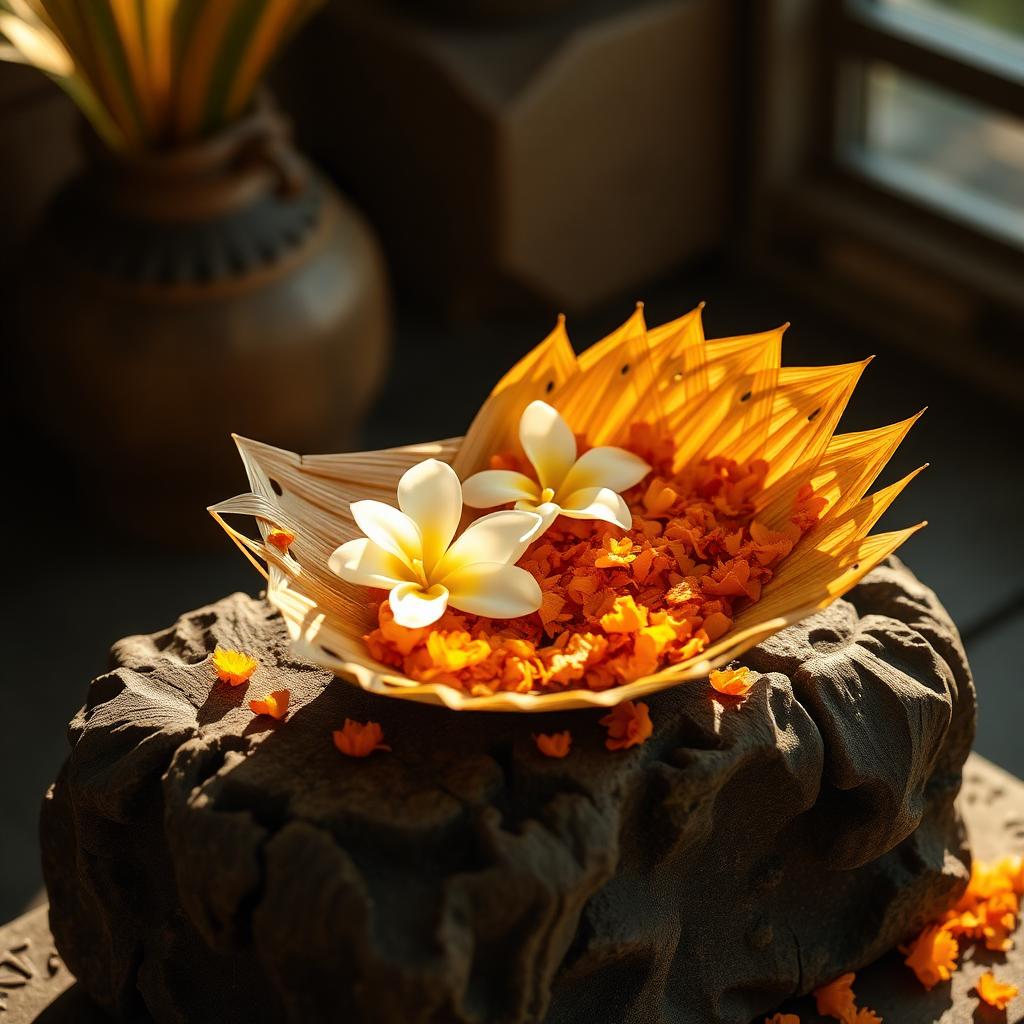
The Hindu-Balinese healer working with mantra, herbs, and offerings to the seen and unseen.
- Shared needs: illness with unclear cause
- Similar practices: consulting, local
- Same tradition type
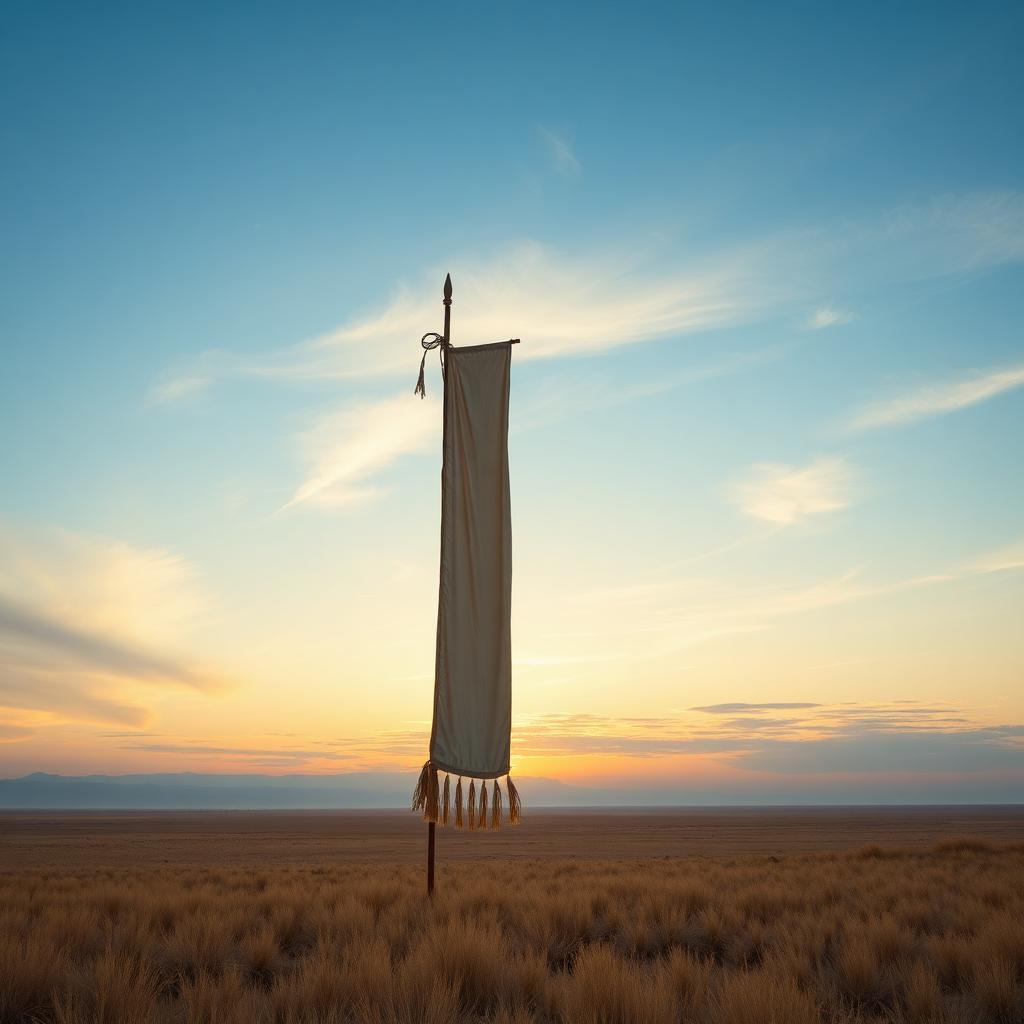
The steppe tradition of drum, spirit-journey, and the eternal blue sky (Tengri).
- Shared needs: illness with unclear cause
- Similar practices: consulting, learning
- Same tradition type