🌙Basque Sorginak Traditions
The Basque healer-women of the Pyrenees, plant, mountain, and the goddess Mari.
The sorginak were the women healers, midwives, and ritualists of the Basque country of the Pyrenees, holding pre-Christian traditions of the goddess Mari, mountain caves, and plant medicine. Persecuted intensely during the Spanish Inquisition (the Zugarramurdi witch trials of 1610 remain the most notorious), the tradition survived in fragments through folklore and is being reclaimed by contemporary Basque women.
Lineage: Basque women's oral tradition; contemporary sorginak revivalists.
Cost depends on practitioner, region, and format.
Estimates only. Many traditions offer sliding-scale, donation, or community access; sacred ceremonies are never for sale.
Distinguishing cultural belief, traditional practice, and evidence-supported effect where applicable.
Emotional
Names historical violence against wise women honestly.
Spiritual
Restores connection with Mari and the mountain caves.
Community
Reclaims a women's lineage broken by inquisition.
Areas of possible support, not guarantees or medical claims.
- Basque women reclaiming heritage
- Others honoring pre-Christian European women's traditions
- Learning the story of Mari and the sacred caves
- Working with plants of the Pyrenees
- Studying the Zugarramurdi trials as historical trauma
What to know before exploring
Traditional practice
This is a living tradition carried through lineage and community. Its value is documented through generations of practitioners rather than clinical trials. Absence of Western studies is not absence of wisdom.
- Psychoactive plant or substance use. Some traditions include plants or brews that can alter consciousness, such as ayahuasca, peyote, iboga, kambo, psilocybin, cannabis, or datura. These can interact with medications (especially SSRIs and MAOIs), heart conditions, and other prescriptions, and may bring up strong physical or emotional responses. This is a space for extra care, preparation, and trained guidance.
- Financial and spiritual exploitation risk. Sacred traditions can attract people who charge steep fees or claim exclusive spiritual authority. Trustworthy teachers welcome questions, encourage outside support, and never pressure you to pay for more than you can afford.
- Active PTSD or unprocessed severe trauma. Immersive, ceremonial, and altered-state work can surface traumatic memories without warning. If you are living with active PTSD, build a relationship with a trauma-informed licensed clinician first, and choose practitioners trained to hold trauma responses gently.
This information is shared as general education, not medical advice. The safest path is to share your full health story and current medications with both the practitioner and your regular healthcare provider before beginning something new.
What in my line was silenced during the witch trials?
Whose mountain cave holds a story I have forgotten?
Traditions that share needs, practices, or cultural context with this one. Explore with respect for each lineage's origins.
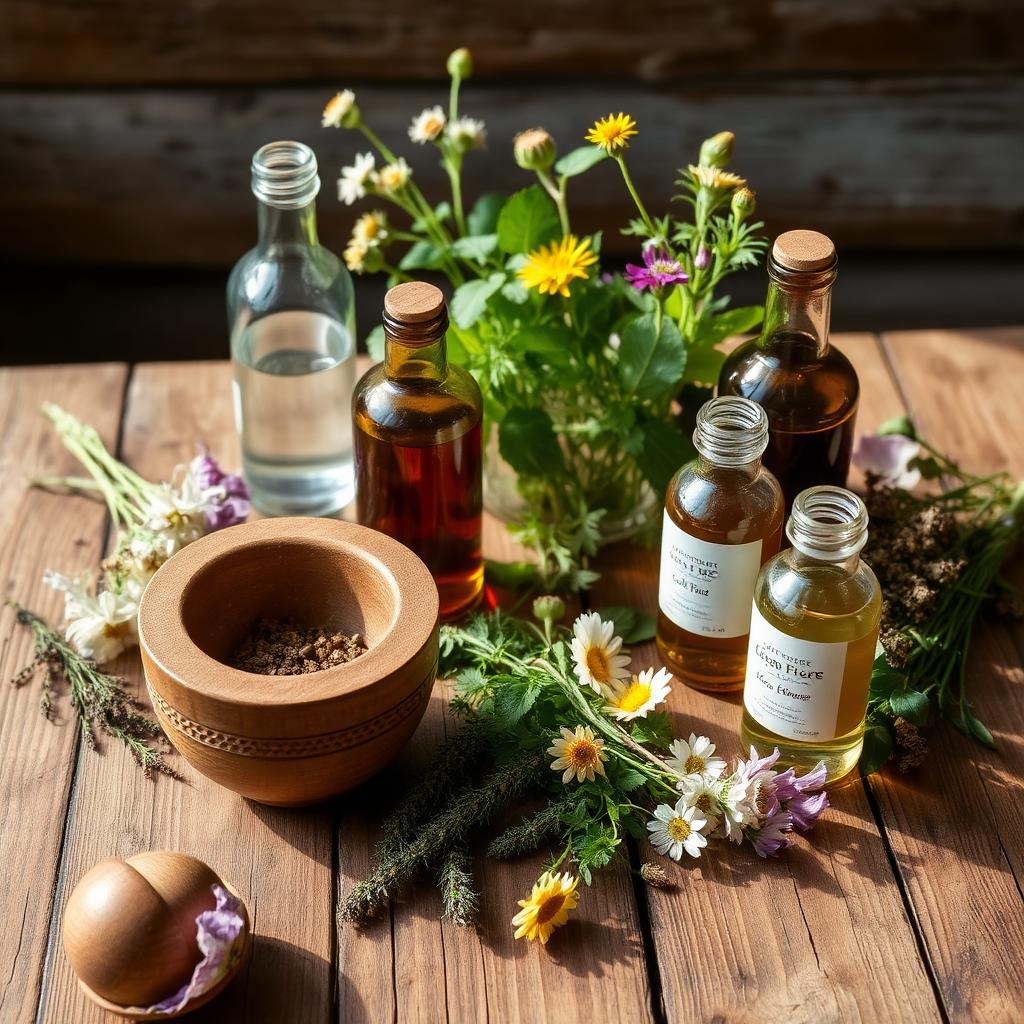
The village-level plant medicine of Europe, passed grandmother to grandchild.
- Curated companion
- Similar practices: learning
- Same region (Europe)
Village prayer-healers of Portugal blessing away fear, worm, and evil eye.
- Curated companion
- Similar practices: learning
- Same region (Europe)
The southern Italian folk prayer, blessing, and evil-eye tradition (malocchio) held by grandmothers.
- Curated companion
- Same region (Europe)
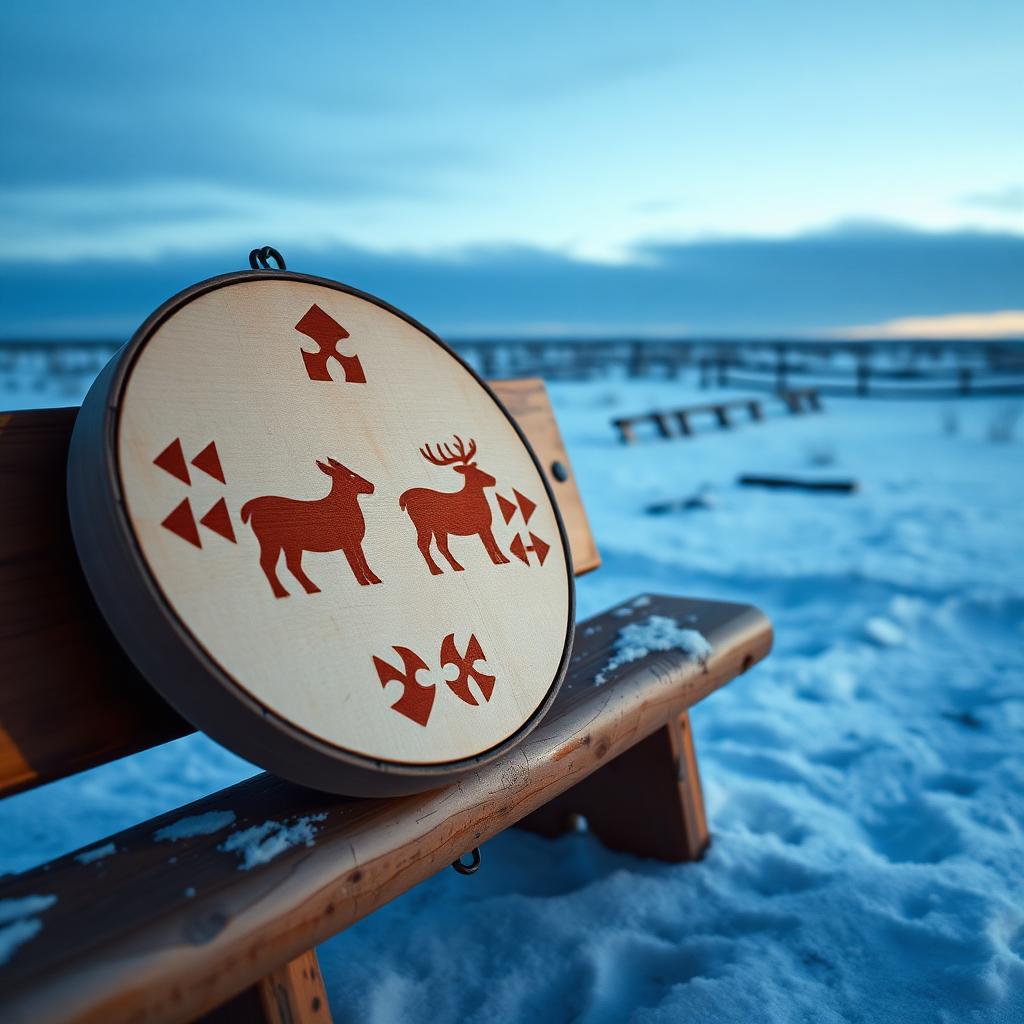
The Indigenous drum-song, joik, and healing of the Sámi people of Sápmi (Arctic Europe).
- Shared needs: land relationship, ancestral healing, grief
- Similar practices: learning
- Same region (Europe)
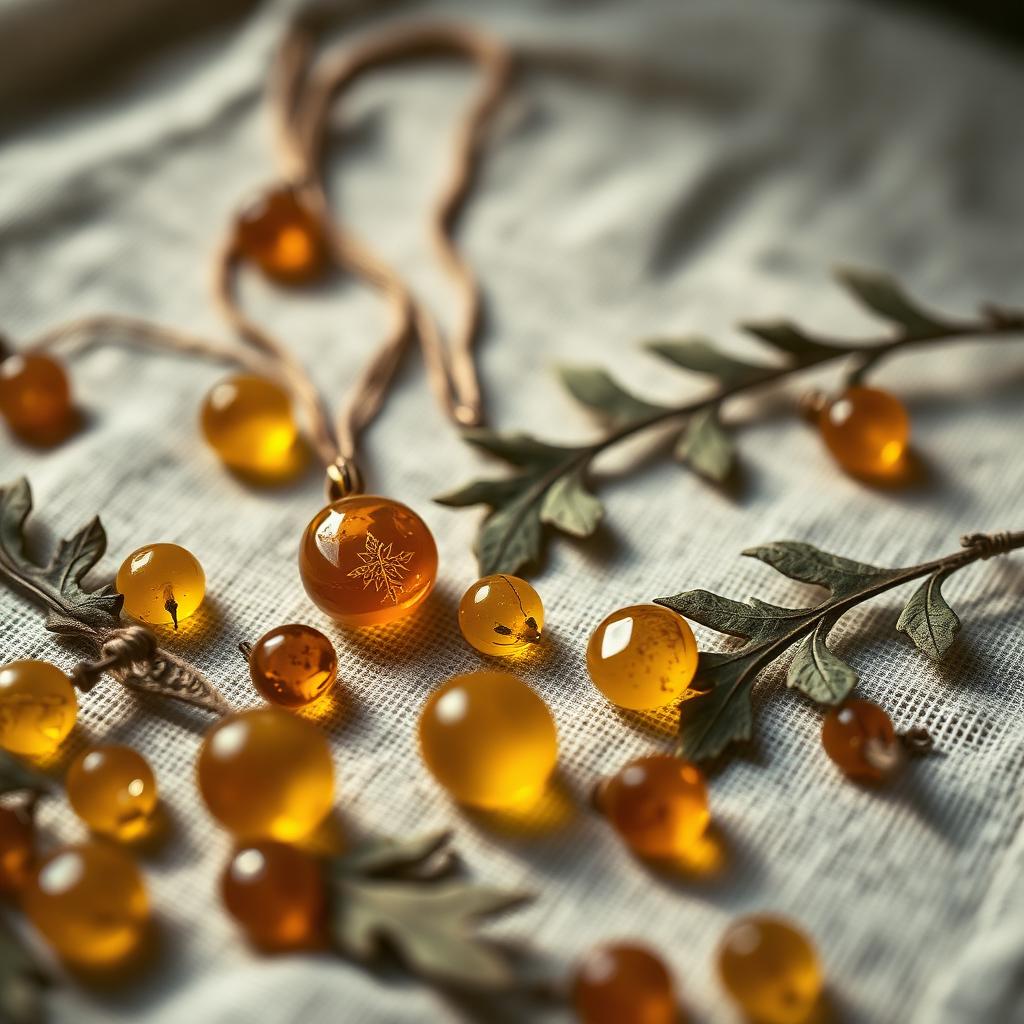
Lithuanian and Latvian nature spirituality, sacred groves, songs (dainas), and seasonal fires.
- Shared needs: ancestral healing, land relationship
- Similar practices: learning, sacred, working
- Same region (Europe)
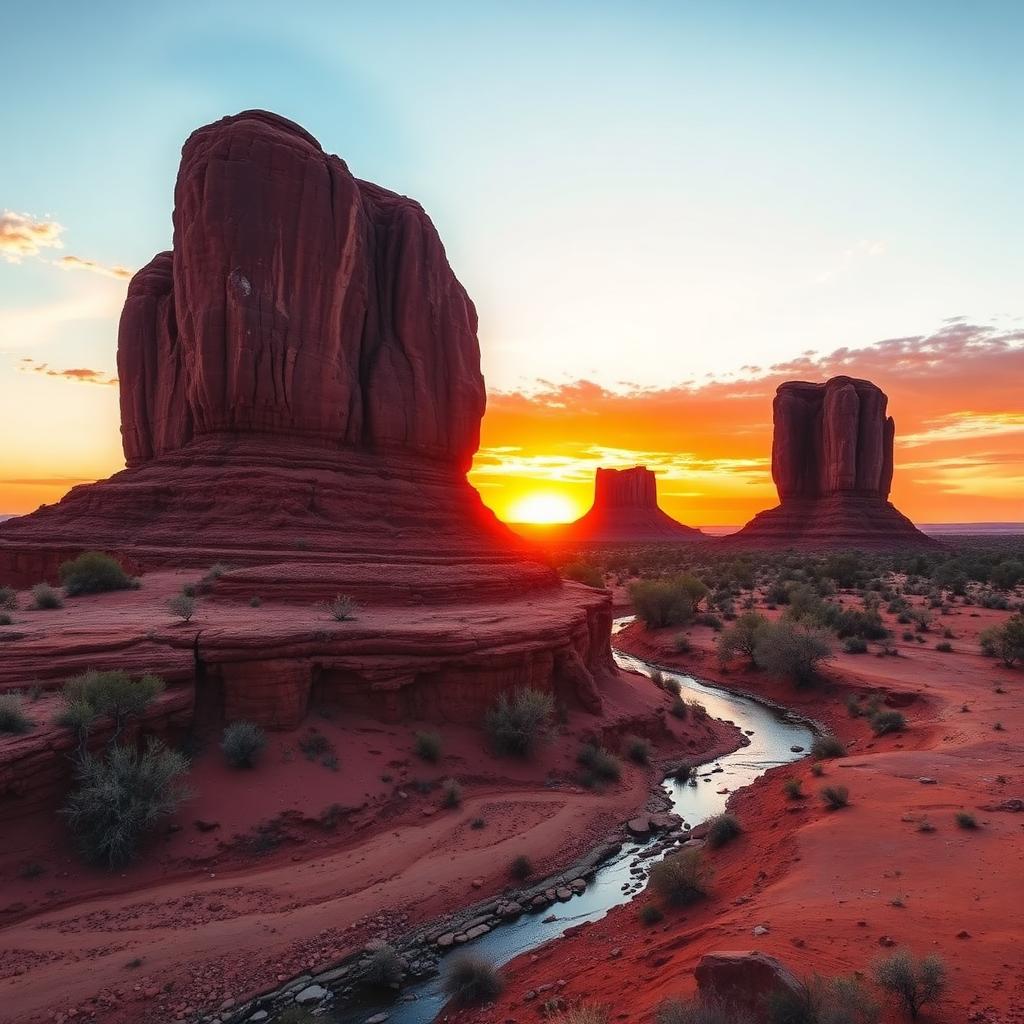
The living cosmology of Aboriginal Australia, Country, ancestors, and songlines held for 60,000+ years.
- Shared needs: land relationship, grief, ancestral healing
- Similar practices: learning