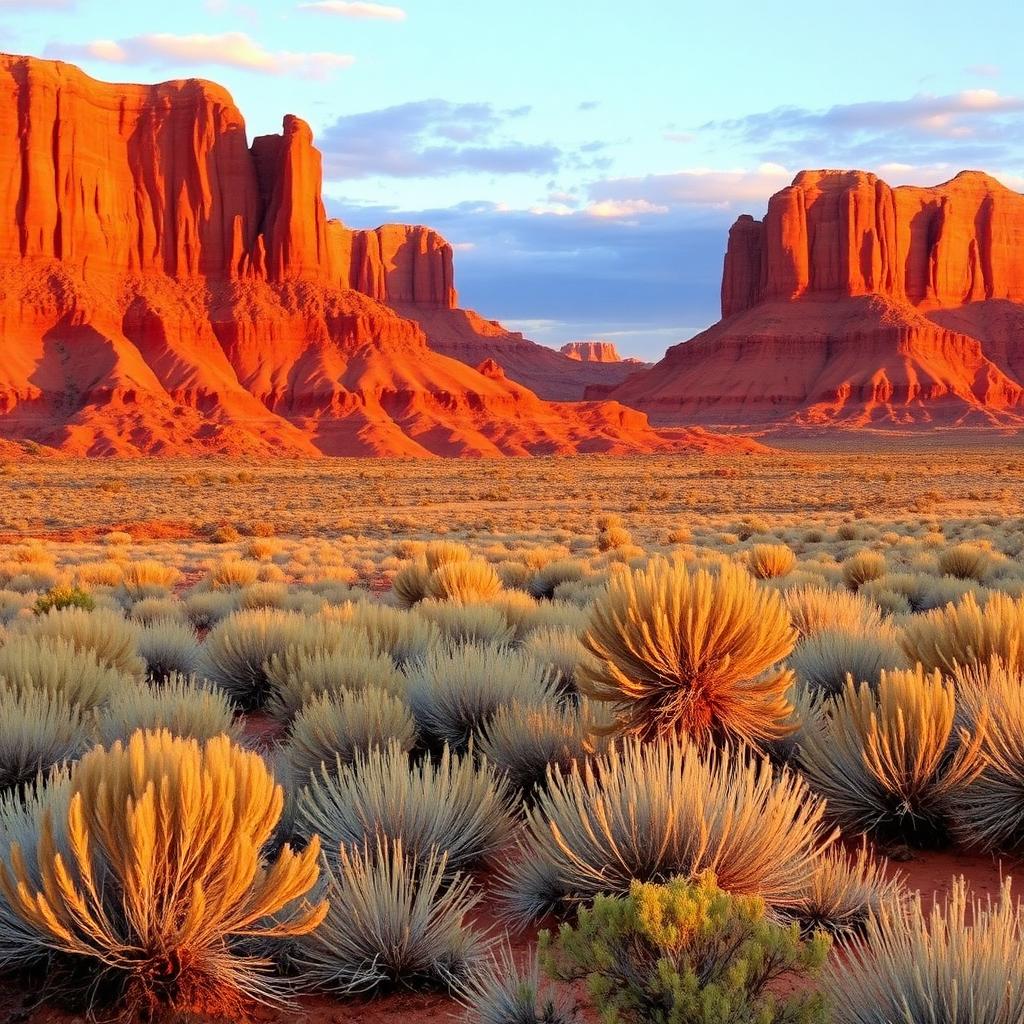
🏜️Navajo Healing (Diné)
The Beauty Way and healing chants of the Diné people of the U.S. Southwest.
Imagery evoking Navajo Healing (Diné), The Beauty Way and healing chants of the Diné people of the U.S. Southwest.
Symbolic imagery, generated with respect. No sacred ceremony or living person depicted.
Navajo (Diné) healing centers on the Beauty Way (Hózhó), a way of living in balance with all things. Illness is understood as being out of Hózhó; ceremonies (chants such as Blessing Way, Enemy Way, Night Way) restore balance. Some ceremonies last many days and involve dry (sand) paintings that are made and then swept away. Hataałii (medicine people) train for decades to hold a single chant.
Lineage: Diné hataałii lineages.
Traditional ceremonies arranged through Nation channels.
Estimates only. Many traditions offer sliding-scale, donation, or community access; sacred ceremonies are never for sale.
Distinguishing cultural belief, traditional practice, and evidence-supported effect where applicable.
Psychological
The dry painting gives visible form to the return to balance.
Spiritual
The chants call the person back into Hózhó.
Community
The family gathers and hosts the ceremony.
Areas of possible support, not guarantees or medical claims.
- Diné people
- Those studying ceremonial systems of extraordinary depth
- Consulting a hataałii for diagnosis
- Undergoing a multi-day chant appropriate to the condition
- Living into Hózhó as daily orientation
What to know before exploring
Traditional practice
This is a living tradition carried through lineage and community. Its value is documented through generations of practitioners rather than clinical trials. Absence of Western studies is not absence of wisdom.
- Financial and spiritual exploitation risk. Sacred traditions can attract people who charge steep fees or claim exclusive spiritual authority. Trustworthy teachers welcome questions, encourage outside support, and never pressure you to pay for more than you can afford.
- Cultural appropriation and closed practices. Elements of this tradition may be reserved for initiated practitioners or community members. Approach as a respectful learner, not a consumer, and never present the practice as your own.
This information is shared as general education, not medical advice. The safest path is to share your full health story and current medications with both the practitioner and your regular healthcare provider before beginning something new.
Where in my life am I most out of Hózhó?
What ceremony would I ask for if I could?
Written in the spirit of this tradition, held as invitations, not instructions. Take what serves your reflection.
Where in my life am I longing for hózhó, beauty, harmony, and rightness?
What does walking in beauty mean for me this week?
Whose stories keep my sense of who I am in place?
Engaging with respect
These are ceremonies of the Diné, held for the Diné. Non-Diné do not participate; respectful study is welcomed.
Traditions that share needs, practices, or cultural context with this one. Explore with respect for each lineage's origins.

Traditional medicine of the Cherokee Nation, plants, prayer, and the Beloved Path.
- Curated companion
- Shared needs: grief, life passage, illness
- Similar practices: living
A vast family of Indigenous North American healing traditions, each nation with its own sacred practice.
- Curated companion
- Shared needs: grief
- Same region (North America)
A sacred symbol and teaching tool held across many nations, mapping the four directions and life stages.
- Curated companion
- Shared needs: life passage
- Same region (North America)
The Central American Garifuna healing rite calling ancestors home through drum and dance.
- Shared needs: grief, illness
- Same region (North America)
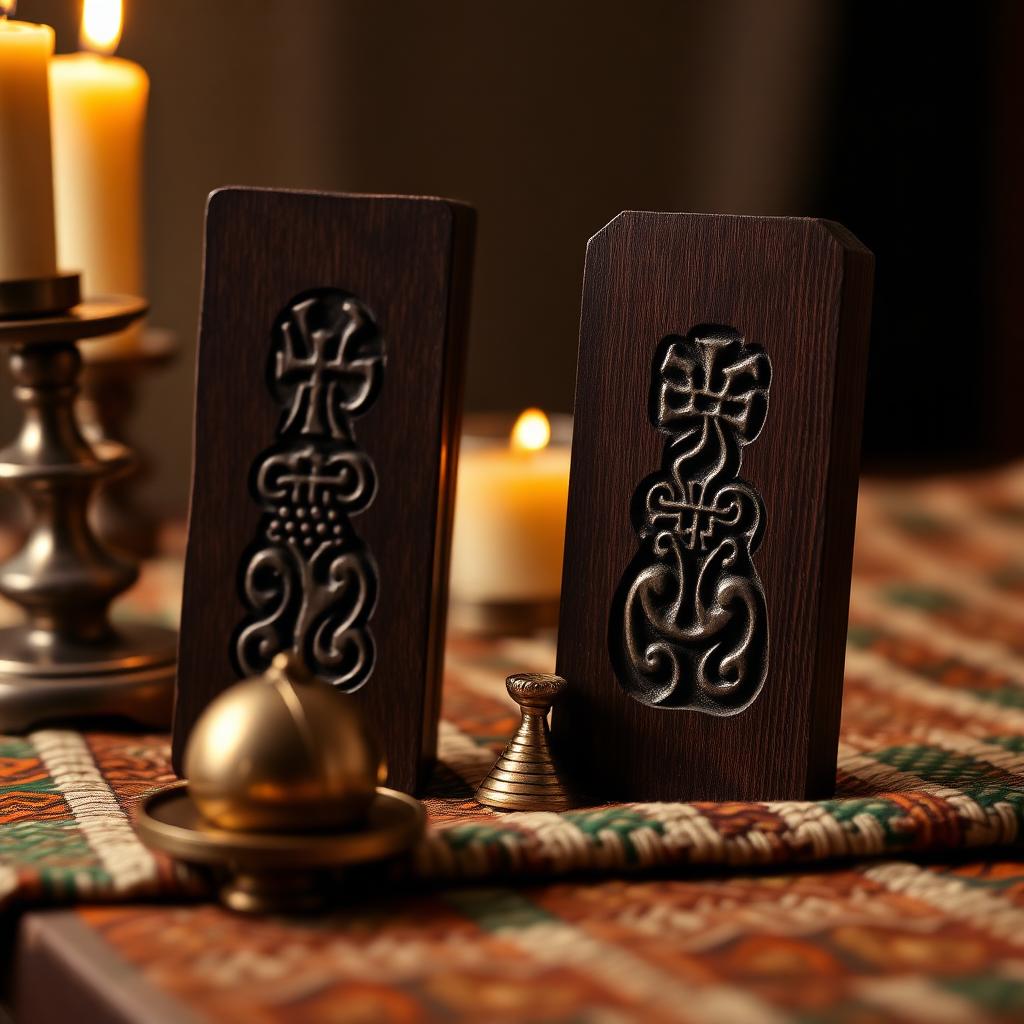
Ghanaian Akan traditions of ancestor veneration, drum, and okomfo (priest-healer) medicine.
- Shared needs: illness, life passage
- Similar practices: living
- Same tradition type
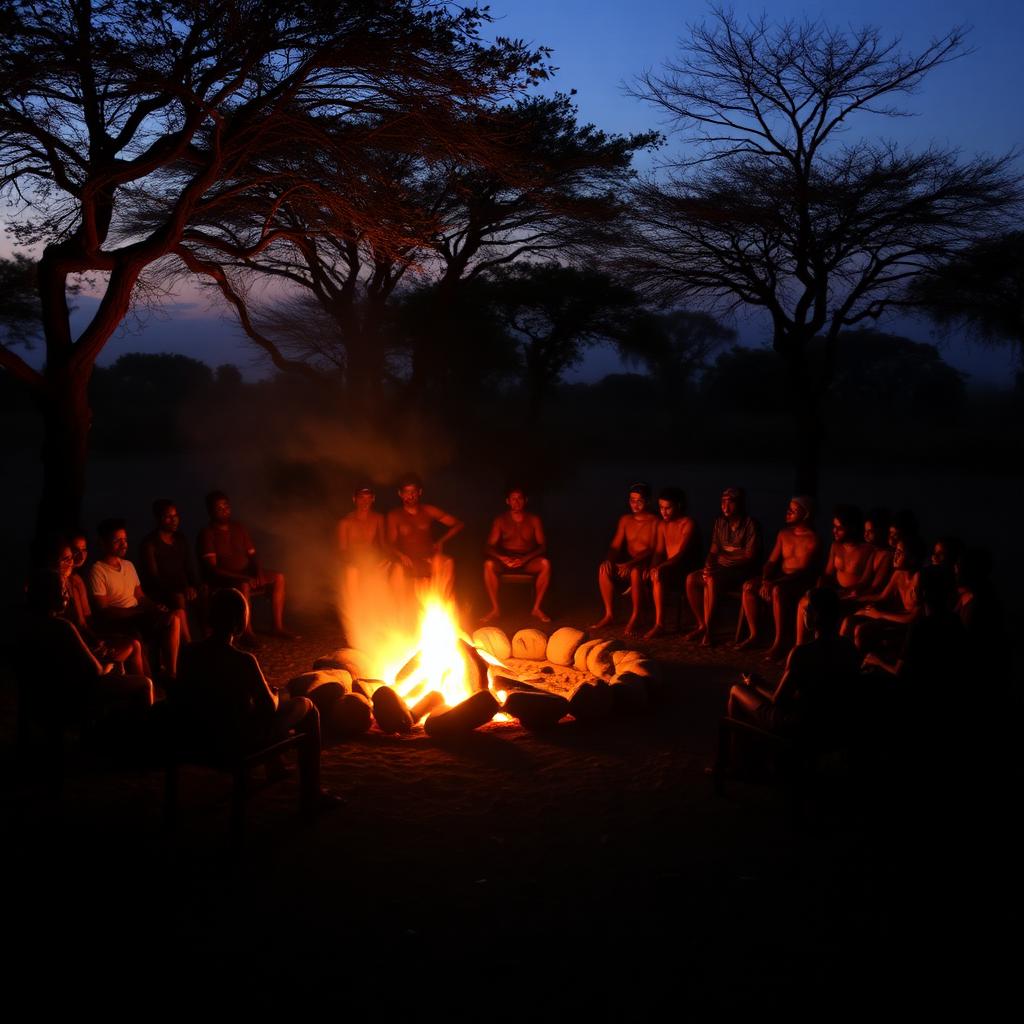
Communal ceremonies that hold grief, reconciliation, and life passages across many African peoples.
- Shared needs: grief, life passage
- Same tradition type