🌾Celtic Healing
Folk medicine, holy wells, and seasonal wisdom from the ancient Celtic lands of Ireland, Scotland, Wales, and Brittany.
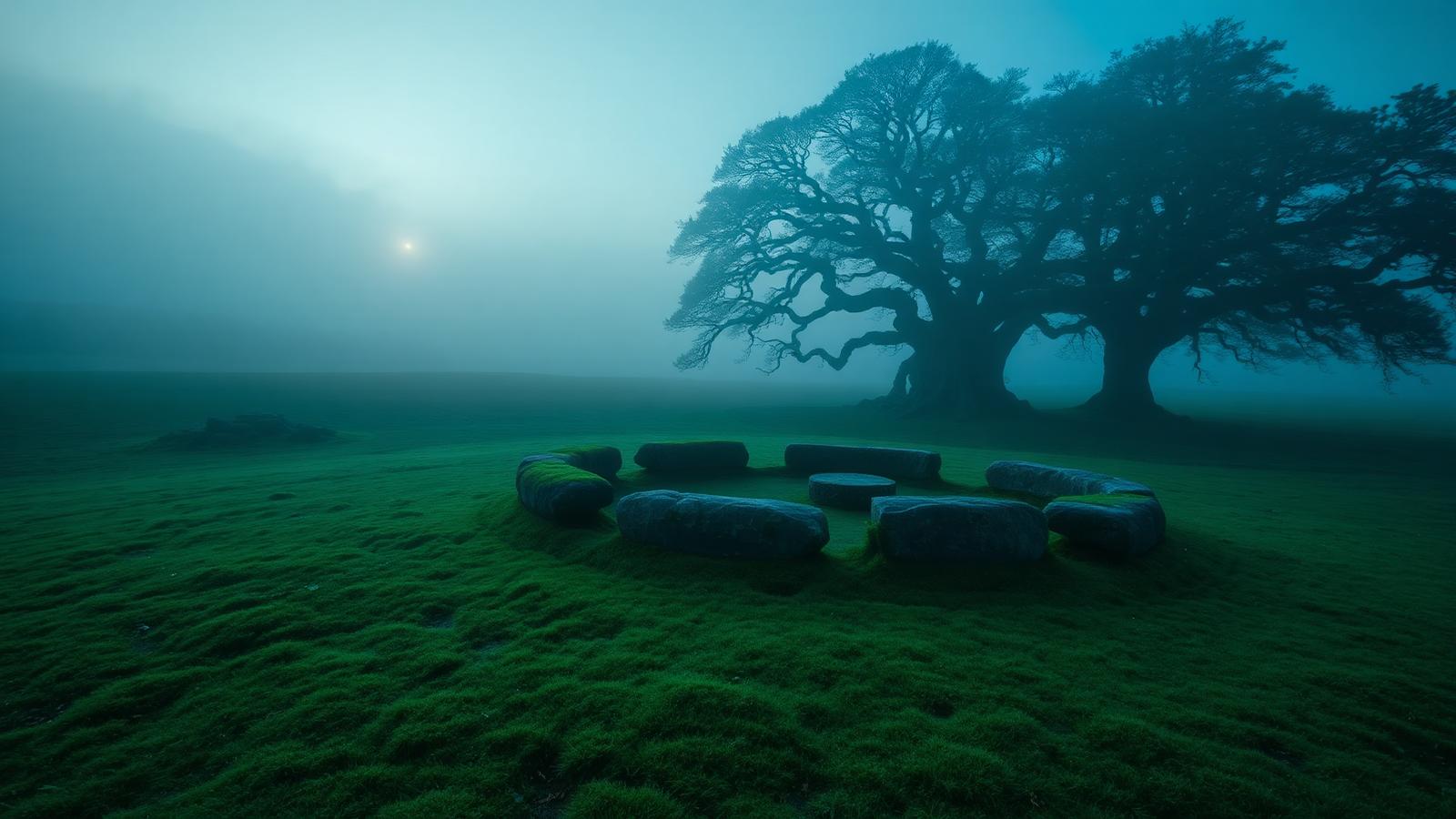
An ancient stone circle in an Irish oak grove at dawn, sacred geography central to Celtic wisdom.
Landscape imagery inspired by Ireland's sacred places.
Celtic healing draws from pre-Christian Druidic knowledge and the folk Catholicism that followed, carried through the peoples of Ireland, Scotland, Wales, Cornwall, and Brittany. Healing wisdom lived in the rhythm of the land, the wheel of the year (Samhain, Imbolc, Beltane, Lughnasadh), the sacredness of wells and springs, and an intimate herbalism passed hand to hand. Illness and grief were understood in relationship with land, kin, and the thin veil between the seen and unseen worlds.
Lineage: Druids, bean feasa (wise women), monastic herbalists, and folk healers.
Herbalism and community rites; workshops $50, $300.
Estimates only. Many traditions offer sliding-scale, donation, or community access; sacred ceremonies are never for sale.
Distinguishing cultural belief, traditional practice, and evidence-supported effect where applicable.
Emotional
Marking the turning of the year gives grief and joy a rhythm, a felt sense that no season is forever.
Psychological
Reconnecting with ancestral land or lineage restores a sense of being from somewhere.
Spiritual
Holy wells, wells, standing stones, and threshold days honor the numinous inside the ordinary.
Community
Festivals were gatherings of neighbors, grief and joy held together across a whole village.
Physical
A living folk herbalism, nettle, elderflower, meadowsweet, hawthorn, worked with the body.
Nervous system
Fire, song, and being in nature in the same places for a lifetime settle the nervous system into place.
Areas of possible support, not guarantees or medical claims.
- People of Celtic descent reclaiming pre-colonial roots
- Anyone who feels dislocated from land, place, or seasonal time
- Those grieving a loss and craving ritual older than the therapist's office
- The eight seasonal festivals of the wheel of the year
- Pilgrimage to holy wells and clootie trees
- Folk herbalism with local plants
- Poetry, story, and lament as sacred technology
- Nature immersion and walking the land
What to know before exploring
Traditional practice
This is a living tradition carried through lineage and community. Its value is documented through generations of practitioners rather than clinical trials. Absence of Western studies is not absence of wisdom.
- Herbal preparations and dosing. Herbs, tinctures, teas, and topical preparations can be gentle and powerful at the same time. They may interact with prescription medications or affect blood pressure, the liver, kidneys, or allergies. Quality and sourcing matter, so work with a knowledgeable practitioner and share your medication list.
- Financial and spiritual exploitation risk. Sacred traditions can attract people who charge steep fees or claim exclusive spiritual authority. Trustworthy teachers welcome questions, encourage outside support, and never pressure you to pay for more than you can afford.
- Cultural appropriation and closed practices. Elements of this tradition may be reserved for initiated practitioners or community members. Approach as a respectful learner, not a consumer, and never present the practice as your own.
- Pregnancy, breastfeeding, and fertility treatment. Several herbs, essential oils, deep-tissue techniques, extreme temperatures, and intense breath or plant-medicine practices are not recommended during pregnancy, breastfeeding, or IVF cycles. Disclose your status and ask for a practitioner with prenatal training.
- Active PTSD or unprocessed severe trauma. Immersive, ceremonial, and altered-state work can surface traumatic memories without warning. If you are living with active PTSD, build a relationship with a trauma-informed licensed clinician first, and choose practitioners trained to hold trauma responses gently.
- Prescription medication interactions. Bring a full medication list to your practitioner and pharmacist. Some common combinations need extra care, such as SSRIs and MAOIs with ayahuasca or St. John's wort, blood thinners with garlic or ginkgo, and immunosuppressants with many herbs. Your care team can help you navigate this.
This information is shared as general education, not medical advice. The safest path is to share your full health story and current medications with both the practitioner and your regular healthcare provider before beginning something new.
What season am I in, sowing, harvest, decline, or the dark of winter?
Whose land do my ancestors come from, and what did they know about it?
Where in my life is the veil thin right now, where is grief or awe close to the surface?
Written in the spirit of this tradition, held as invitations, not instructions. Take what serves your reflection.
Which thin place in me, between grief and hope, wants attention today?
Where does the wild in me still remember its wisdom?
What song, story, or saying from my people still tends my heart?
Engaging with respect
Much authentic Celtic knowledge was suppressed under colonization and Christianization; modern 'Celtic' work varies widely in accuracy. Look for teachers grounded in specific places and languages (Irish, Scottish Gaelic, Welsh, Breton) rather than a generic 'Celtic mysticism'.
Traditions that share needs, practices, or cultural context with this one. Explore with respect for each lineage's origins.
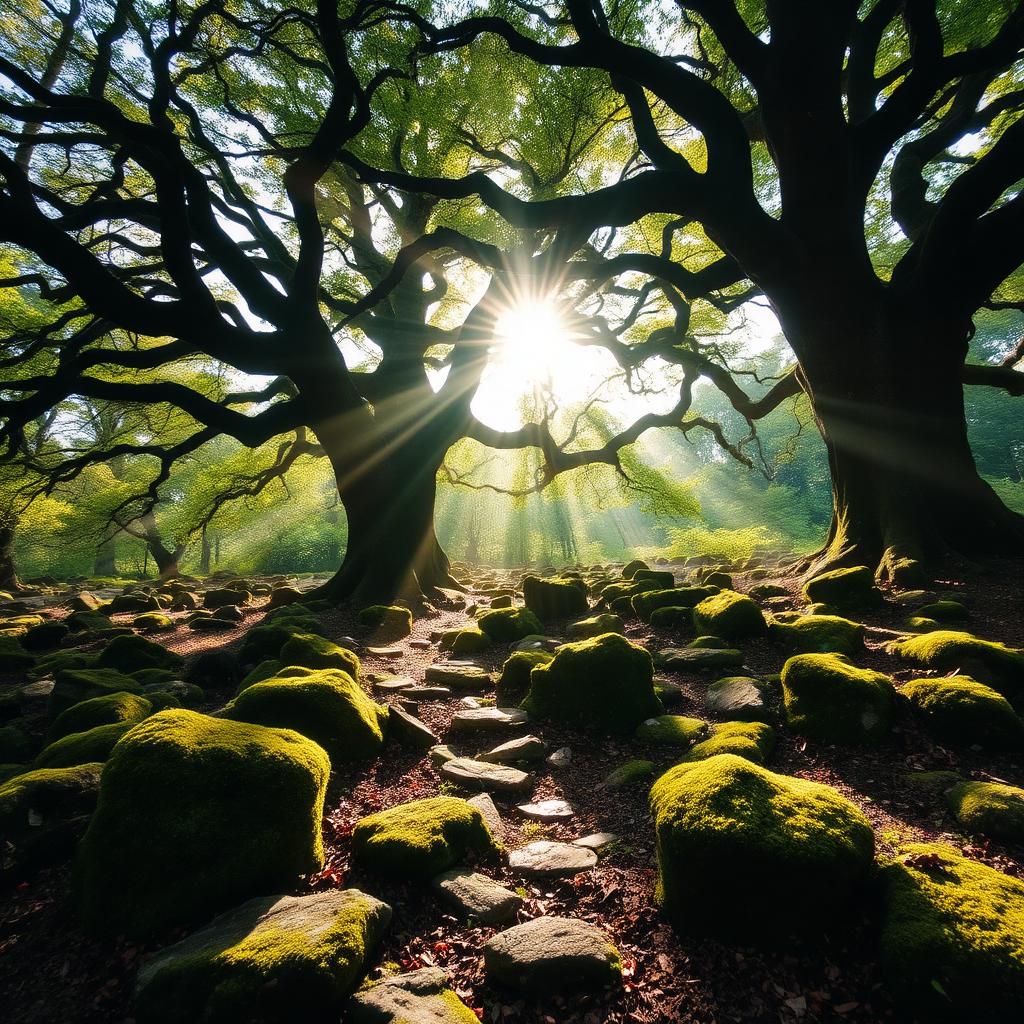
The learned philosophers, poets, and ritualists of pre-Christian Celtic Europe.
- Curated companion
- Shared needs: grief
- Similar practices: eight, seasonal, festivals
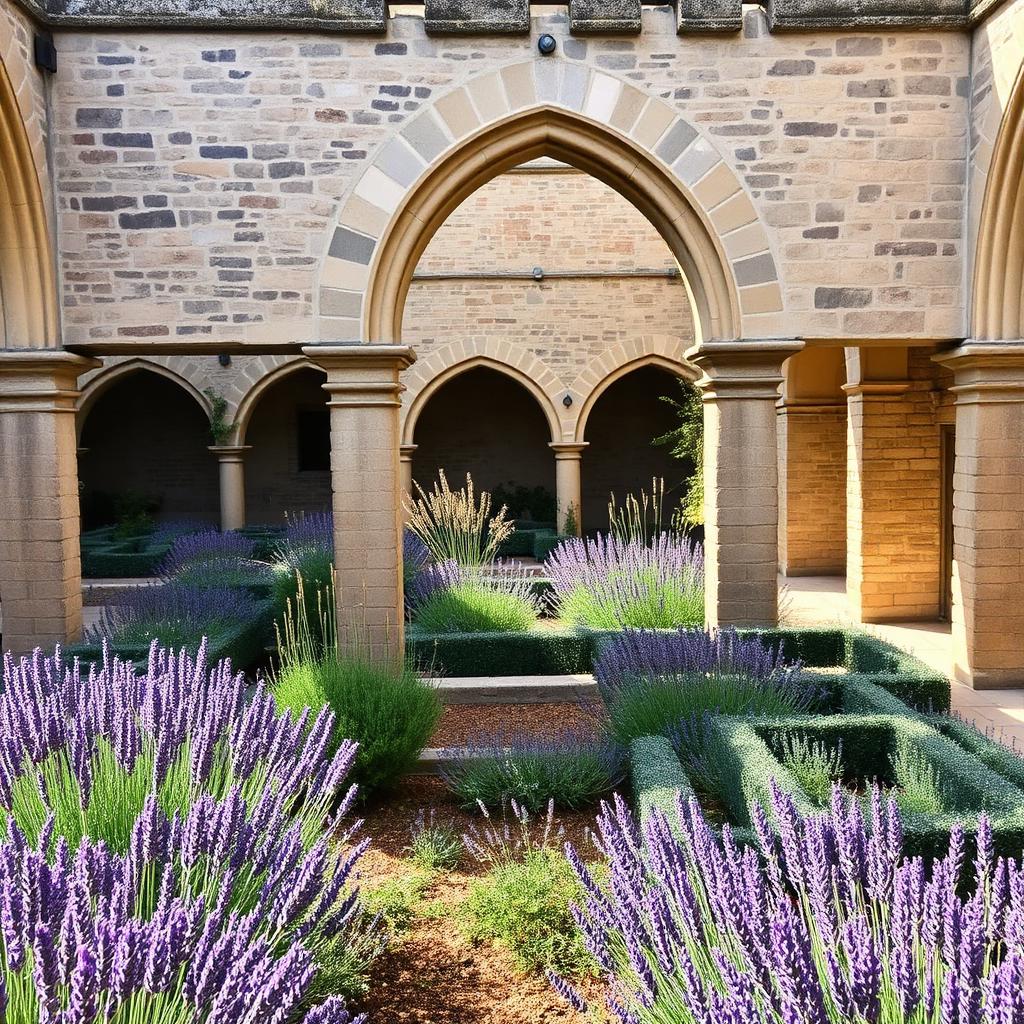
The healing gardens, herbals, and rule of life of Christian monastic communities.
- Curated companion
- Shared needs: grief
- Same region (Europe)
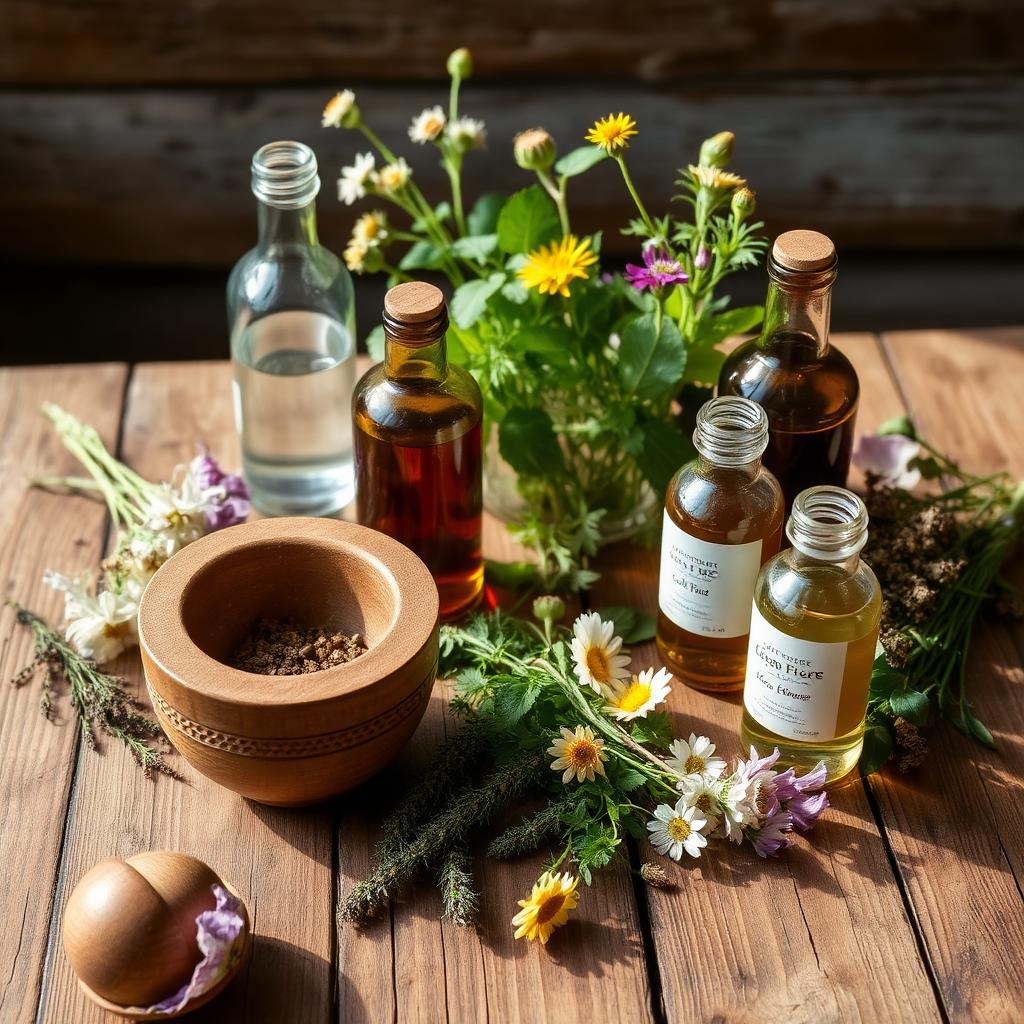
The village-level plant medicine of Europe, passed grandmother to grandchild.
- Curated companion
- Similar practices: local
- Same region (Europe)
Scandinavian folk medicine, runic wisdom, and the seasonal severity of the North.
- Curated companion
- Similar practices: plants
- Same region (Europe)
The Basque healer-women of the Pyrenees, plant, mountain, and the goddess Mari.
- Shared needs: grief
- Similar practices: story, sacred, plants
- Same region (Europe)
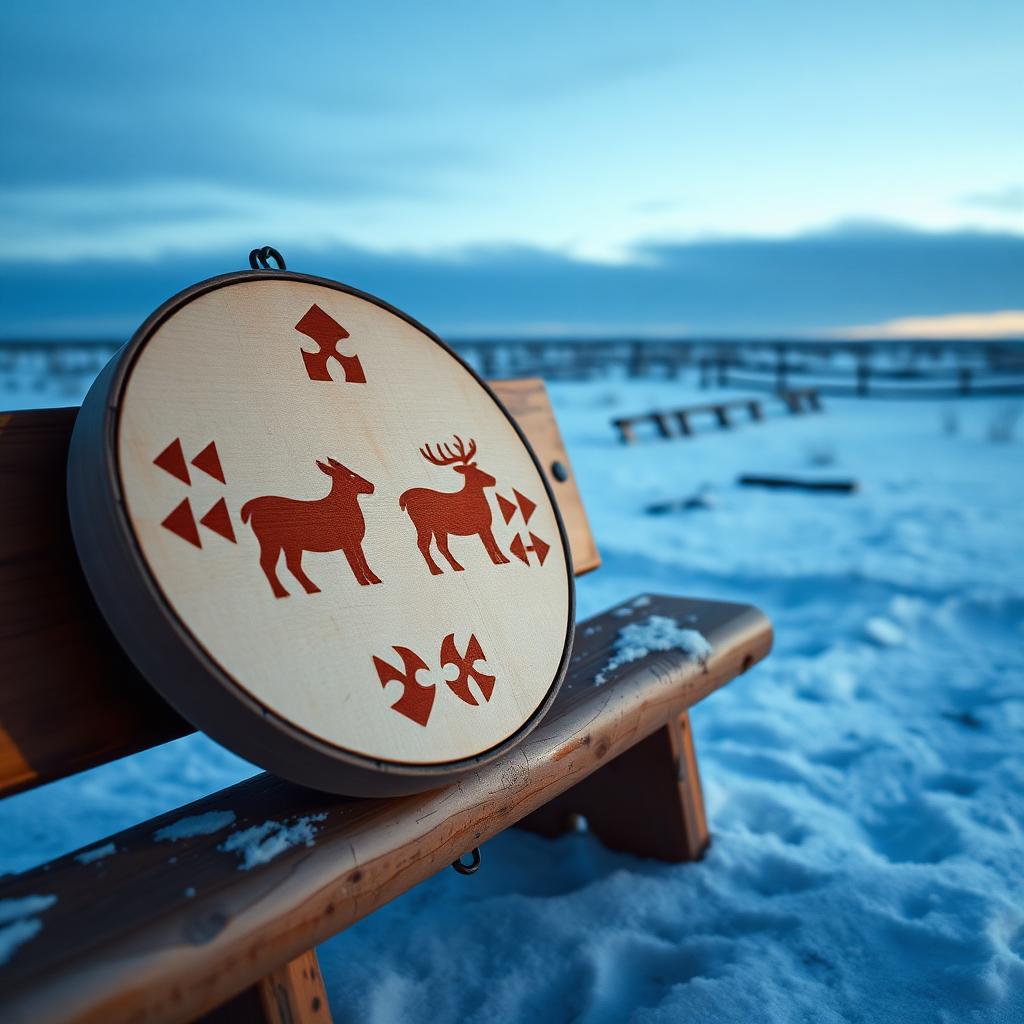
The Indigenous drum-song, joik, and healing of the Sámi people of Sápmi (Arctic Europe).
- Shared needs: grief
- Similar practices: land
- Same region (Europe)