🌿Curanderismo
A folk medicine tradition of Mexico and the U.S. Southwest weaving Indigenous, Spanish Catholic, and African healing knowledge.
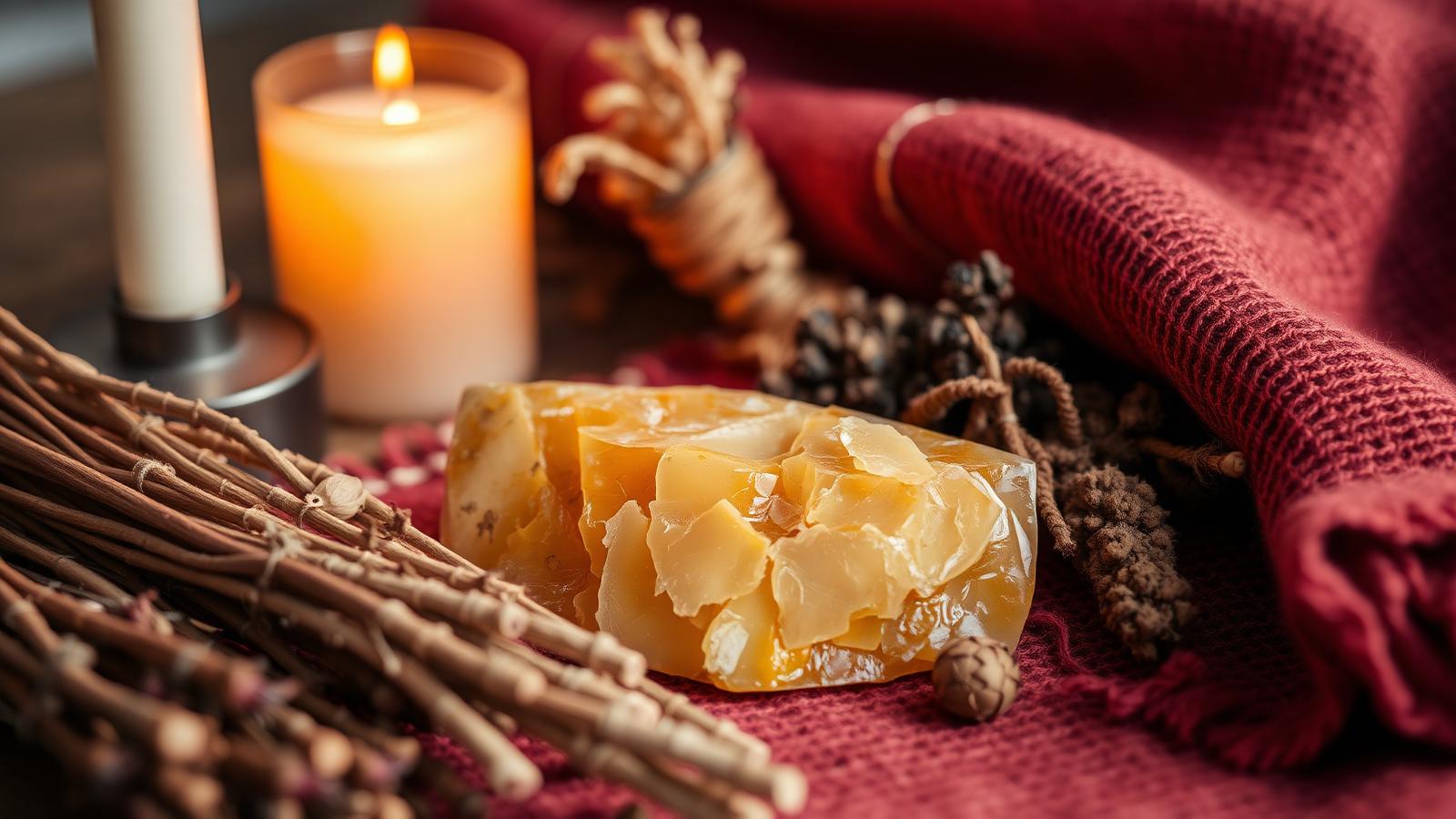
Copal resin, herbs, and hand-woven cloth by candlelight, everyday elements of a curandera's altar.
Object imagery, generated with respect for the living tradition.
Curanderismo is a syncretic Latin American healing tradition rooted primarily in Mexico and the U.S. Southwest, blending Mesoamerican Indigenous medicine (Aztec, Maya, and other), Spanish Catholic ritual, Moorish and African elements. A curandera or curandero treats not only the body but the spirit and social world, recognizing culturally named afflictions such as susto (soul loss from fright), mal de ojo (evil eye), and empacho (spiritual-physical blockage). Practice moves fluidly between herbs, prayer, limpias (spiritual cleansings), and lineage from a grandmother's kitchen.
Lineage: Passed within families and communities; often carried by women through generations.
Consultations $40, $150; limpias $30, $100.
Estimates only. Many traditions offer sliding-scale, donation, or community access; sacred ceremonies are never for sale.
Distinguishing cultural belief, traditional practice, and evidence-supported effect where applicable.
Emotional
Limpia rituals externalize what feels internal, sweeping the body with herbs makes the felt weight of fear or grief something that can be lifted off.
Psychological
Culturally native names such as 'susto' give shape to trauma and dislocation without pathologizing.
Spiritual
Restores connection with saints, ancestors, and the Divine, often through Catholic imagery layered on older Indigenous roots.
Community
The curandera's kitchen is a place of belonging, often the first place people go, especially in Latinx communities that face barriers to formal care.
Physical
Herbal remedies and touch-based work address the body directly.
Areas of possible support, not guarantees or medical claims.
- Latinx people reconnecting with ancestral medicine
- Anyone who resonates with a soul-loss framework for trauma or grief
- People who feel unheld by clinical care and long for ritual and prayer
- Limpia (cleansing with herbs, egg, or smoke)
- Pláticas, long, culturally rooted talks with a curandera
- Herbal remedies (ruda, romero, albahaca)
- Prayer and candle work with saints or Guadalupe
- Sobadas, therapeutic bodywork
What to know before exploring
Traditional practice
This is a living tradition carried through lineage and community. Its value is documented through generations of practitioners rather than clinical trials. Absence of Western studies is not absence of wisdom.
- Herbal preparations and dosing. Herbs, tinctures, teas, and topical preparations can be gentle and powerful at the same time. They may interact with prescription medications or affect blood pressure, the liver, kidneys, or allergies. Quality and sourcing matter, so work with a knowledgeable practitioner and share your medication list.
- Trance, possession, and altered states. Drumming, dance, and possession-based ceremonies can open non-ordinary states that feel profound but may be destabilizing for people with a personal or family history of psychosis, bipolar, dissociation, or acute trauma. Go slowly and honestly, with trustworthy support.
- Financial and spiritual exploitation risk. Sacred traditions can attract people who charge steep fees or claim exclusive spiritual authority. Trustworthy teachers welcome questions, encourage outside support, and never pressure you to pay for more than you can afford.
- Cultural appropriation and closed practices. Some elements are closed to outsiders or reserved for initiated practitioners. Participating without invitation, or teaching without lineage, can harm living communities and weaken the practice itself. Approach as a respectful learner, not a consumer.
- Pregnancy, breastfeeding, and fertility treatment. Several herbs, essential oils, deep-tissue techniques, extreme temperatures, and intense breath or plant-medicine practices are not recommended during pregnancy, breastfeeding, or IVF cycles. Disclose your status and ask for a practitioner with prenatal training.
- Prescription medication interactions. Bring a full medication list to your practitioner and pharmacist. Some common combinations need extra care, such as SSRIs and MAOIs with ayahuasca or St. John's wort, blood thinners with garlic or ginkgo, and immunosuppressants with many herbs. Your care team can help you navigate this.
This information is shared as general education, not medical advice. The safest path is to share your full health story and current medications with both the practitioner and your regular healthcare provider before beginning something new.
Is there a fright I never fully came back from? Where did a piece of me go?
Whose grandmother's remedies do I still remember, and what have I forgotten?
What in me needs sweeping away before something new can enter?
Written in the spirit of this tradition, held as invitations, not instructions. Take what serves your reflection.
What susto (fright) or heartbreak still lives in my body without a name?
What blessing do I already know how to give, and to whom?
Which curandera, abuela, or elder shaped how I understand care?
Engaging with respect
Curanderismo is community-taught, not certificate-taught. Beware of anyone selling 'certified curandera' credentials. Real practice is passed within families and communities across years of apprenticeship.
Traditions that share needs, practices, or cultural context with this one. Explore with respect for each lineage's origins.
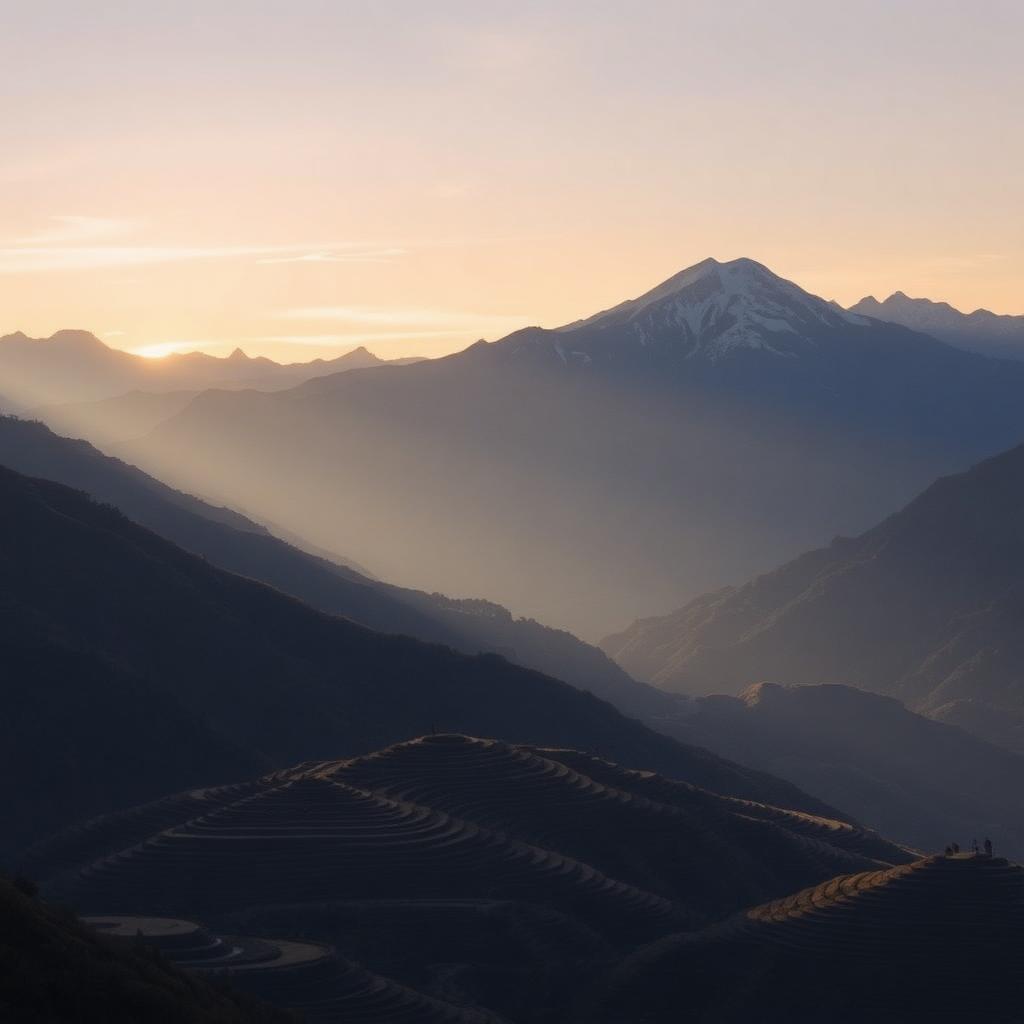
The living cosmology and healing of the Andes, Pachamama, apus, and the reciprocity of ayni.
- Curated companion
- Shared needs: grief, anxiety

Sacred plant traditions of the Amazon basin, held by dozens of Indigenous peoples over millennia.
- Curated companion
- Shared needs: grief
- Similar practices: long
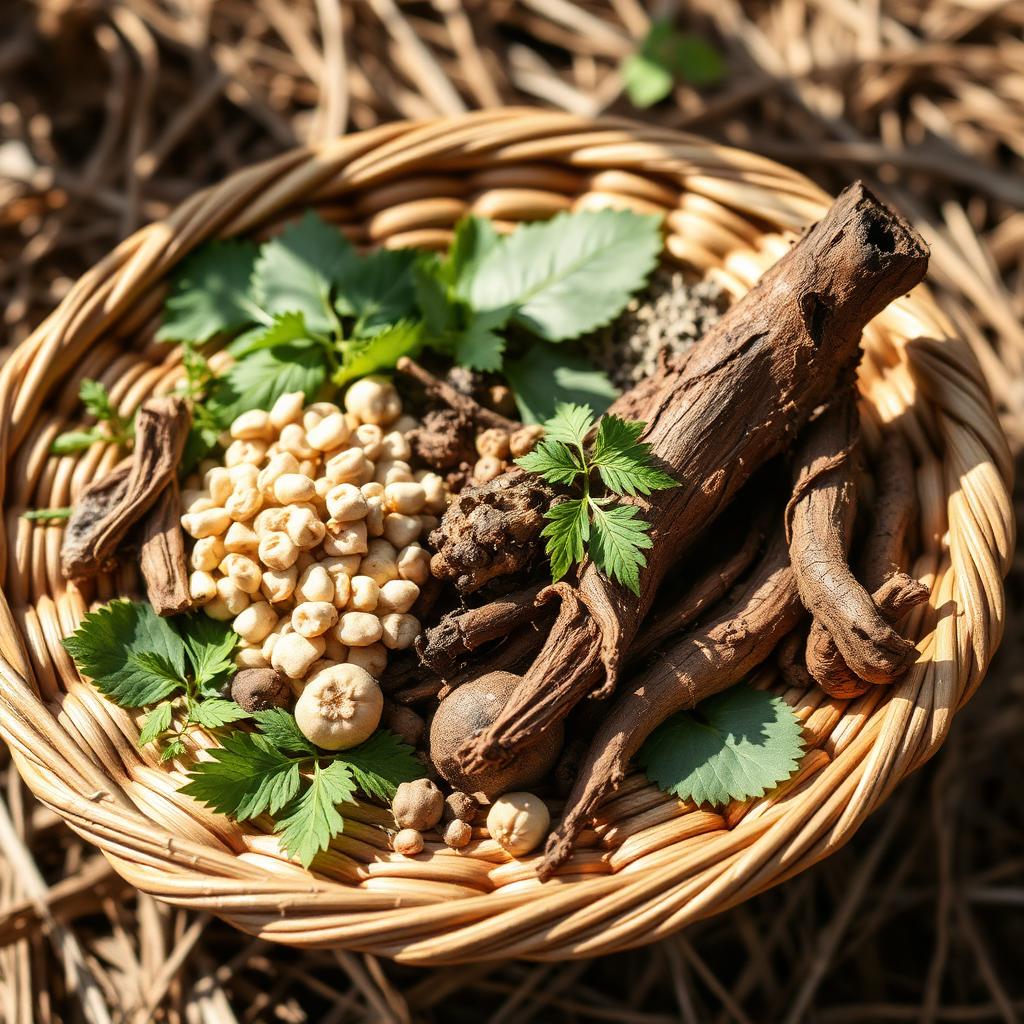
The vast pharmacopeia of plants used across the African continent, many now studied by modern pharmacology.
- Curated companion
- Similar practices: herbs
- Same tradition type
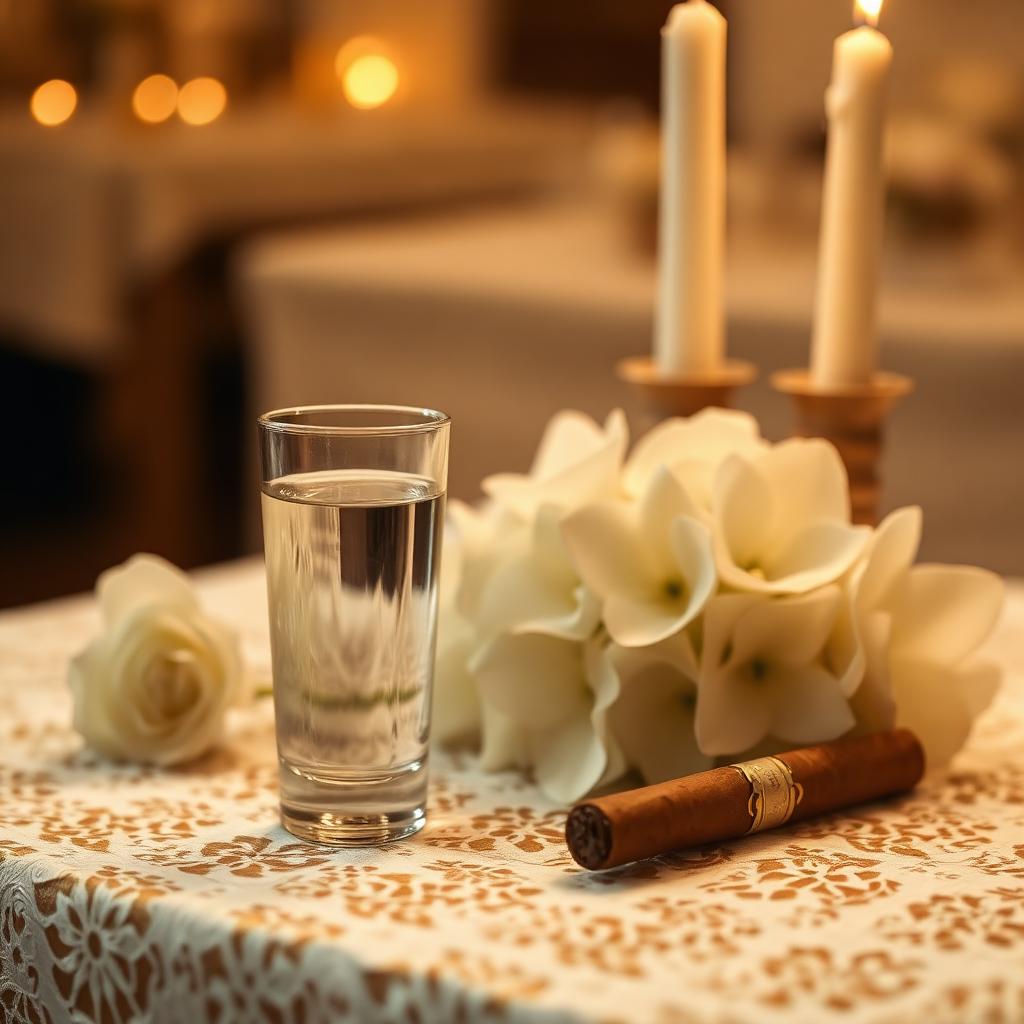
The Puerto Rican and Caribbean tradition of communicating with spirits for guidance and healing.
- Shared needs: grief, anxiety
- Similar practices: prayer, cleansing
- Same region (North America)
Ancient Egyptian medicine and spiritual science of Ma'at and the nine bodies.
- Shared needs: grief, anxiety
- Similar practices: herbal, remedies, rooted
The healing traditions of the Māori people of Aotearoa, where wellbeing is the balance of body, mind, spirit, and whānau.
- Shared needs: grief, cultural belonging
- Similar practices: prayer, bodywork